A checklist for a hike
Short answer: A hike calls for layers, good socks and clothes that do not chafe. Go through six points so you are ready for sun, rain and wind and avoid blisters and rubbing.
Point 1: Layers that can be adjusted
The weather in mountains and forest can change quickly, and layers are the answer. Start with a thin layer closest to the body and add a jumper and a jacket you can take off and put on. You warm up as you walk, so it is fine to start a little cool. Stop and take layers off before you start to sweat, because damp clothes make you cold when you take a break. See Lindbergh if you are looking for everyday clothes that can be used as an extra layer.
Point 2: Socks and shoes that go together
The feet are the most important thing on a hike. Choose socks that suit your walking shoes and do not slip or bunch. Bring socks for each day and an extra pair, so you can change when they get wet. Check that the shoes fit properly and break them in before you set off. Wet or clammy socks cause blisters, so it is better to change once too often.
Point 3: Clothes that do not chafe
Chafing arises where clothes against skin or skin against skin move many times. Choose clothes with flat seams and avoid thick seams at the thighs, hips and shoulders. See Turiform if you are looking for clothes for trips into nature. Try the clothes on at home and go for a walk in them before you head off on a long trip. Do not let a new top be its first outing on day one of a multi-day trip.
Point 4: Bra and support
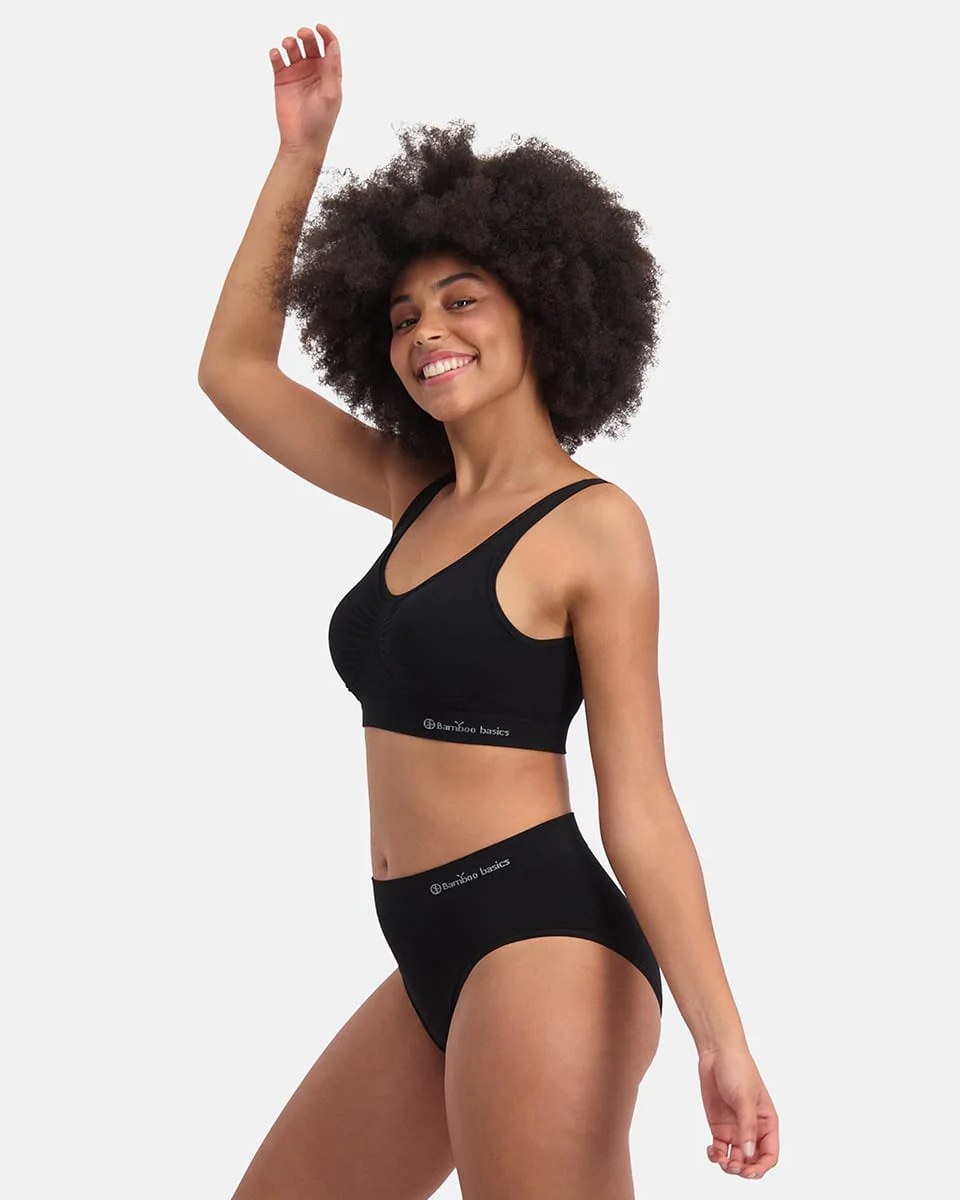
On long walks a bra that sits comfortably is important. It must not chafe under the arms or at the straps. See bamboo bra without underwire if you want a soft bra without wires that does not press. Try it on at home and go for a walk in it before departure. If you have a rucksack with a hip belt, check that the straps do not press on the bra.
Point 5: Rainwear, hat and sun protection
Pack a rain jacket and possibly waterproof trousers, even if the weather looks fine. Bring a hat or a cap against the sun and use sun cream on the places that are exposed. Covering clothes are often the best sun protection, so choose light clothes with long sleeves if the sun is strong. Bring a thin hat and gloves if you will be going high up or walking early in the morning.
Point 6: Food, water and safety
Take more water than you think you will need. Pack food that is easy to eat along the way, such as nuts, fruit or a bar. Have a map, compass or a charged phone with the app ready. Tell someone where you are going and when you expect to be back. Bring a small first aid kit with plasters for blisters and a small sewing kit. If you have health questions, talk to your doctor before you leave.
Frequently asked questions
How many socks should I bring on a multi-day trip
One pair for each day and an extra pair, so you can change if they get wet. Wash them in the evening and hang them on the rucksack to dry.
How do I avoid blisters
Choose shoes and socks that fit, break the shoes in before the trip and change socks when they get wet. Bring plasters and use them at the first sign of rubbing.
How do I dress for changing weather
Use layers you can take off and put on. Keep a rain jacket and a warm jumper in the rucksack, even if it looks fine.
You can find the full range at Bamboo-Clothing.com.