A checklist for a new fit
Short answer: A new fit means measuring yourself, reading the size chart, trying the clothes on in motion and checking them after the first wash. Here are six points so you avoid buying something that does not sit as you hoped.
Point 1: Measure yourself before you look at sizes
Use a tape measure and note chest, waist and hips. Measure against the bare body or close-fitting clothes, and hold the tape level without it pinching. Write the measurements down and save them on your phone so you have them to hand when you shop. Sizes vary between brands, so your measurements are more reliable than a letter size. See JBS if you want to compare size charts for a particular brand.
Point 2: Read the size chart and the description
Find the size chart for the specific product and compare it with your measurements. If you fall between two sizes, read whether the model is close-fitting, regular or loose, and whether the fabric has stretch. Look for information on length and rise too, because a model can be long or short in the leg. Read the fibre list: fabrics with elastane give more freedom than fabrics without. See Turiform for a brand where you can read more about the models.
Point 3: Judge the cut and where it sits
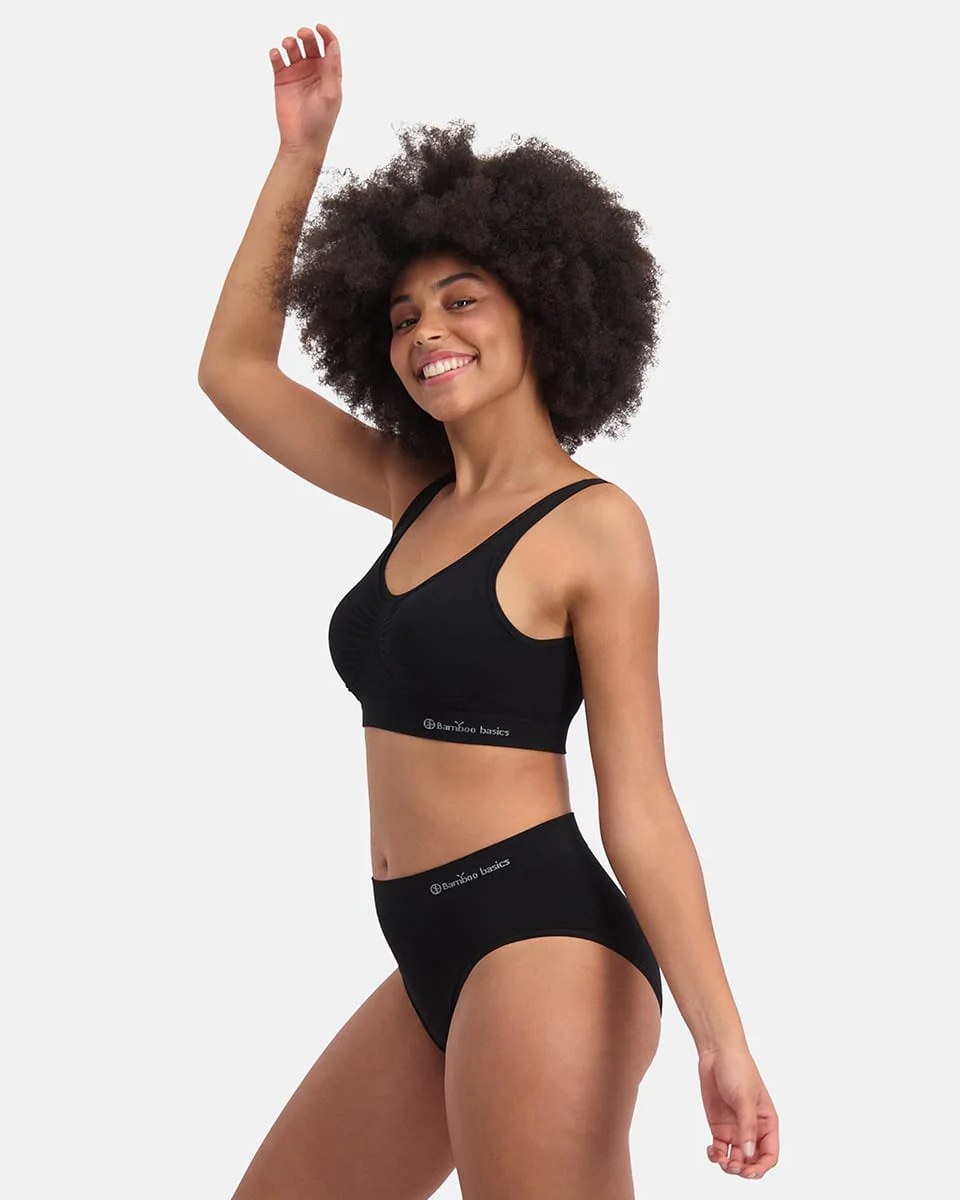
Different cuts suit different bodies. A high waist sits differently from a low one, and a straight model does something different from a slim one. Think about where you want the clothes to sit and what you want them for. For inner shorts and other underwear, the leg and waistband matter a lot for comfort. See bamboo inner shorts if you are looking for something that can be worn under shorts or dresses to avoid chafing.
Point 4: Try it in motion
When you try on clothes, sit down, bend over, lift your arms and walk a few steps. Feel whether anything pinches, slips or chafes. A piece that looks good when you stand still can feel wrong when you move. Check that the seams lie flat and that the waistband stays in place without sliding down or rolling up. Try it with the clothes you normally wear over it.
Point 5: Check after the first wash
New clothes can change a little in the first wash. Follow the care label and wash at the recommended temperature. Measure the piece afterwards and compare it with how it sat before. Clothes in viscose from bamboo can change a little in length, so dry them flat or on a hanger. If something has become too small or too large, check the exchange terms before you remove labels.
Point 6: Write down what works
When you have found a fit that works, write down the model and size. That makes it easier to buy the same again, and you avoid starting from scratch when something needs replacing. Also keep a short note of what you did not like, for example a waistband that was too low. Update the list if your body or your needs change. A fixed list saves time and avoids wrong purchases.
Frequently asked questions
What do I do if I fall between two sizes
Read whether the model is close-fitting and whether the fabric has stretch. Choose the smaller size for clothes with a lot of stretch and the larger for clothes without.
Do I need to measure myself every time I buy clothes
It is a good idea to measure a couple of times a year, especially if you often buy online. Bodies change, and measurements are more reliable than guessing.
Why does the same piece of clothing fit differently in different brands
Brands use different cuts and measuring systems, and not always the same fit models. So always use the size chart of the individual brand.
You can find the full range at Bamboo-Clothing.com.