A checklist for a new season
Short answer: When the season changes, it is a good idea to go through your wardrobe calmly instead of buying the first thing that catches your eye. Here is a list that takes you from an overview to a packed cupboard.
Take everything out and see what you have
The first item is to empty the wardrobe and lay things out, so you can see what you actually own. Many people find they have several identical jumpers and nothing else at all. Sort into piles: keep, repair, replace and give away. Try on things you are unsure about, because the fit may have changed and the fabric may be worn. Stick to what you have actually worn in the past year, and be honest with yourself, so the wardrobe becomes easier to use.
Go through the innermost layer
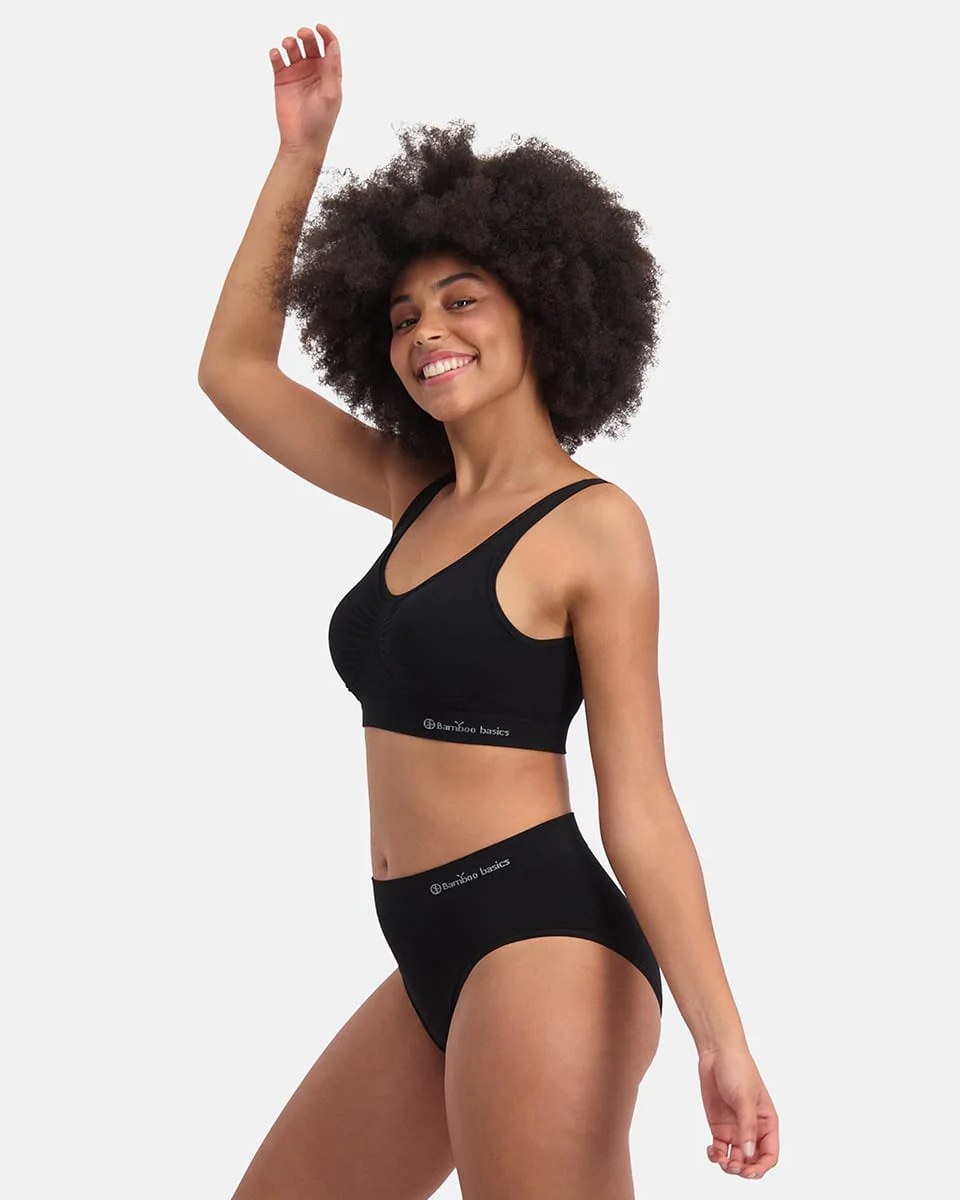
Underwear and vests are what you wear most, and they wear out most. Check elastics, seams and thin spots, and replace anything that has snagged or lost its shape. Viscose from bamboo is soft and smooth, but like any textile it has a lifespan that depends on washing and use. See bamboo underwear for men for an overview if you need to top up your base layer. Choose a few good pieces you will actually wear rather than a big pile.
Think in layers for the new weather
When the temperature changes, it is the layers that handle the transition. Think of a thin layer innermost, a jumper or cardigan in the middle and an outer layer that withstands wind and rain. That way you can adapt through the day when the morning is cold and the afternoon is mild. Look for gaps in the layers: do you need a thin jumper for autumn or a light jacket for spring. That gives a better basis for buying than random impulses.
Change the textiles at home too
A change of season is not only about clothes. Bedding, blankets, throws and loungewear may also need a once-over. Wash and air whatever has been stored, and put it out where you will use it. See home and homewear in bamboo for soft textiles for the home. A warmer blanket for the sofa and a soft set of loungewear make the dark months easier to get through, and lighter bedding can cope with the warm nights.
Wash, repair and pack away
What is to be packed away should be washed first, so stains and smells do not set. Check buttons, zips and seams, and repair while the damage is small. Pack clothes dry in boxes or bags that can breathe, and add a small scented sachet if you like. Label the boxes so you can find them quickly again. Do not pack too tightly, so the fabric keeps its shape, and avoid plastic bags that trap moisture.
Plan what you are missing
When you have the overview, you can write a short list of what is missing. It might be a particular colour, a type of jumper or a pair of socks. Take the list with you when you shop and stick to it. Also see Copenhagen Bamboo if you want to look at the collection, but always judge for yourself what you need. That means fewer and better purchases, and you avoid ending up with clothes that are never worn.
Frequently asked questions
When should I change over my wardrobe
Many people do it when the mornings change noticeably in temperature, typically twice a year. You do not have to wait for a particular date.
Do I need to wash everything before packing it away
Yes, it is a good idea, because stains and smells set in the fabric over time. Pack it completely dry.
How do I know what to keep
Ask yourself whether you have worn it in the past year, and whether it fits and is intact. If the answer is no, you can repair it or give it away.