A checklist for packing clothes away for the season
Short answer: When the summer clothes need to go, or the winter clothes are being put away, it is worth doing it properly. Here is a list so the clothes are ready and fresh when you need them again.
Sort before you pack
Start by going through the clothes and deciding what is to be kept. Take only what you have actually worn and what fits. Whatever you have not worn in a year can be sorted out and given away if it is intact. Repair what needs repairing before you pack it. It is easier now than in six months, when you are in the middle of the change of season. Sort by type and size so you can find things again.
Wash everything before it is put away
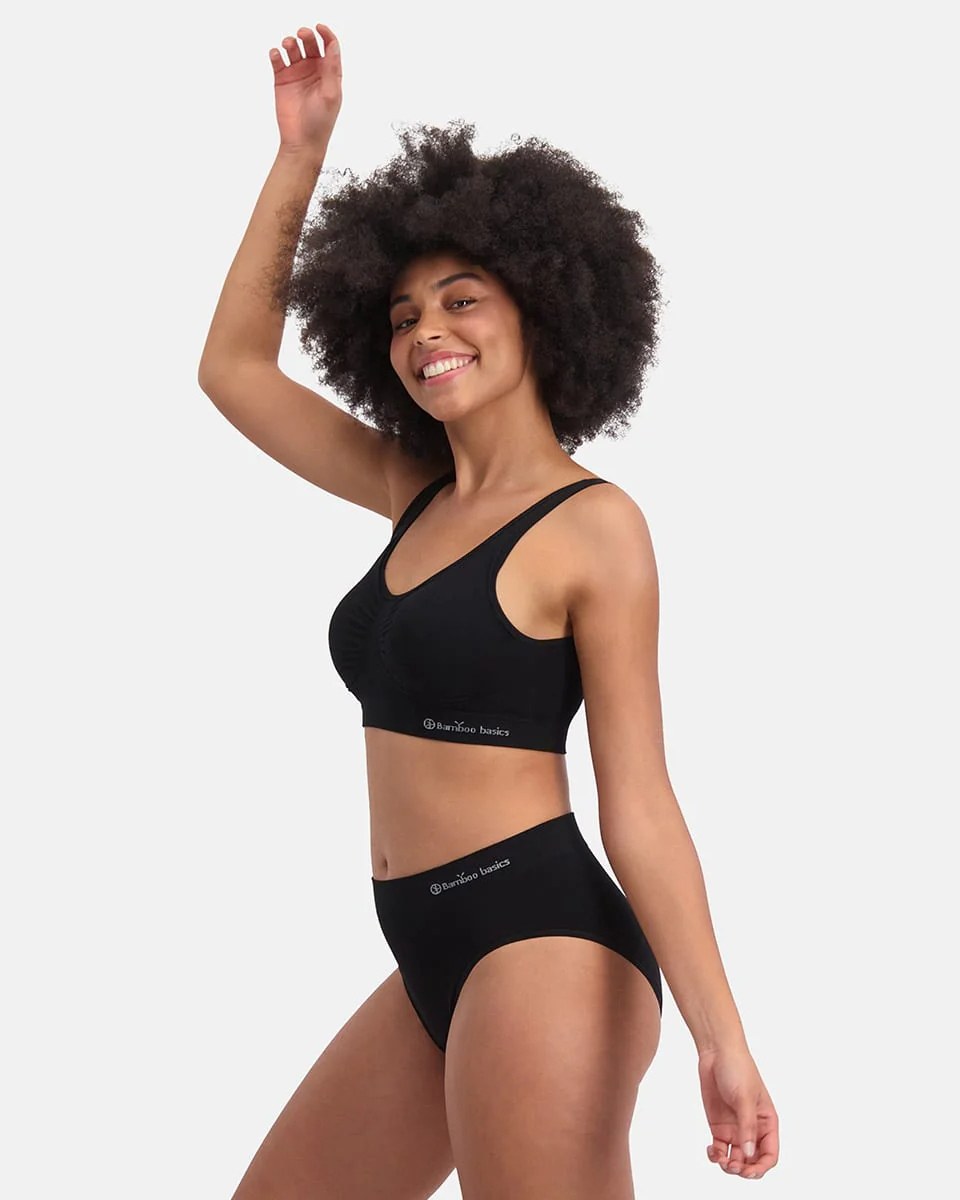
Even clothes that look clean can contain sweat, skin oils and small stains that set and can turn into yellow marks or a smell. So wash everything according to the care label, and do not use more fabric softener than necessary. See bamboo underpants for men and other base pieces, which often contain the most sweat. Check that stains are gone before the clothes dry, as heat can set them.
Dry it completely
It is important that the clothes are completely dry when packed. Moisture in a box gives a smell and can cause mould. Let clothes hang or lie to dry for longer than you think, especially thick seams and waistbands. Check by holding the fabric against your cheek. If it feels cold or damp, it is not dry. In damp weather you can let clothes dry indoors with good ventilation.
Choose the right packaging
Use boxes, fabric clothes boxes or cotton bags that can breathe. Avoid sealed plastic bags, especially if the room is damp, as they hold moisture. Lay clothes flat and not too tightly packed, so the fabric does not get sharp creases. Heavy knitwear should be folded rather than on a hanger, so it does not stretch. There are several brands that make clothes and textiles, including Egtved and Nordic Weaving, and you can look at their collections for inspiration, but always check the label for care of your own clothes.
Choose location and protection
Store the clothes cool, dry and dark, for example in a wardrobe or under the bed. Avoid the loft and cellar if there is a risk of damp or large temperature swings. Clothes made of natural fibres such as wool can be attacked by moths, so use moth repellent or cedar wood if you are storing wool. Put in small bags of lavender or cedar if you like, but they are no substitute for washing and drying the clothes first.
Label and write a list
Write on the box what is in it and which season it belongs to. Take a photo of the contents if you want an overview. A small list on your phone makes it easy to see what you have, so you avoid buying something you already own. Check the boxes halfway through the season for damp and smell. When the season turns, take the boxes out, wash what needs it and air it. Then it is ready to use.
Frequently asked questions
Do I need to wash clothes before I pack them away
Yes, it is a good idea, because sweat and stains can set and cause smells or marks over time.
Can I use plastic bags
It is better to use bags or boxes that can breathe. Sealed plastic bags can hold moisture and cause smells.
Where is the best place to store clothes
Cool, dry and dark, for example in a wardrobe. Avoid damp rooms such as cellars and cold lofts.
You can find the full range at Bamboo-Clothing.com.