A checklist for your winter wardrobe
Short answer: The winter wardrobe is about layers, warm feet and a bed that does not feel cold. Go through five points: the innermost layer, socks, the bed, outerwear and care, so you are ready before the frost arrives.
Point 1: The innermost layer
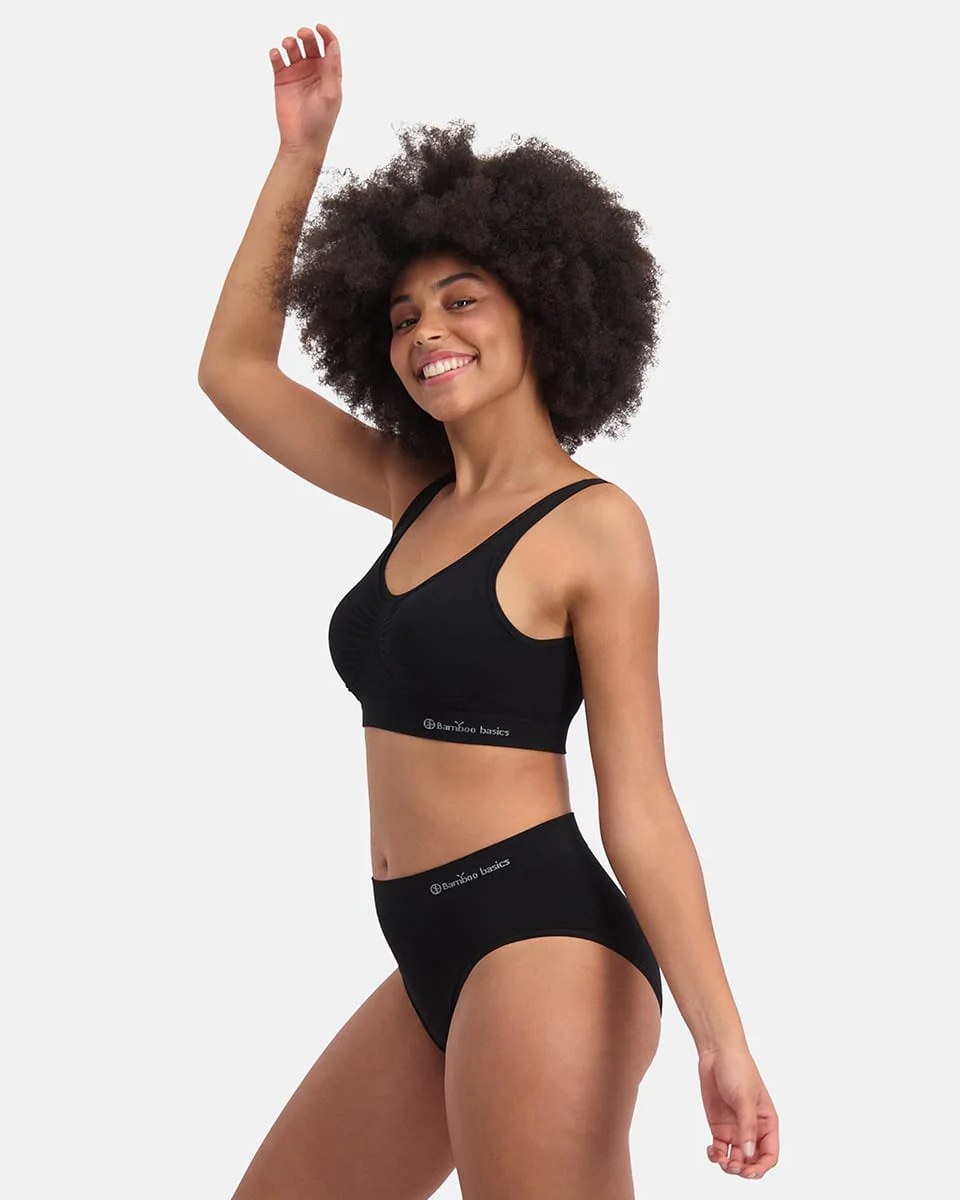
The start of a warm day is the thin layer closest to the skin. It should lie flat, feel soft and not itch. A couple of thin vests or long-sleeved layers give more flexibility than one thick jumper, because you can take a layer off when you come indoors. Avoid fabric that turns clammy when you get warm, because moisture close to the skin makes you cold when you stand still.
Point 2: Socks and feet
Cold feet are what people complain about most in winter. Make sure you have socks in several thicknesses, so you can adjust to the shoes. Do not put socks that are too thick into tight shoes, because then you lose warmth when circulation is squeezed. See bamboo footies for men if you want a short, thin model for shoes with no room for thick socks. Bring a spare pair so you can change if yours get wet.
Point 3: Exercise and outdoor activity
When you walk or run in the cold, you need layers that can ventilate. Start with a thin layer and put a jacket on top that can be opened when you get warm. Short sports socks can still work in the winter half of the year if they are worn in proper shoes. See bamboo tennis socks for men if you play indoors and want a low model. Change out of sweaty clothes as soon as possible after the activity.
Point 4: The bed in winter
Many people feel cold in a cold bed, even if the duvet is thick. A sheet that feels smooth and soft does not help with warmth by itself, but a bed that warms up quickly is nicer to get into. Read about bamboo fitted sheets if you want a sheet with elastic all the way round that does not slide off the mattress. Air the bed in the morning, because moisture from the night can raise the humidity in the bedroom.
Point 5: Outerwear and accessories
Check the jacket for wear, zips that hang and seams that are giving way. Gloves and hat often sit in the cupboard from last year, so check that they are still whole and that you have pairs. Dry things are warmer than wet ones, so make sure there is somewhere to hang wet clothes when you come in. A scarf around the neck gives more warmth than you would think, because you close off cold draughts at the collar.
Point 6: Care of warm clothing
Winter clothing is more exposed to moisture and road salt, so wash and dry it properly. Let wool and thick jumpers dry flat so they do not stretch out of shape. Do not use too much fabric softener, which can make the fabric less insulating. Feel whether the clothes have become stiff or have developed bobbles, and use a fabric shaver if you need to.
Frequently asked questions
How many layers should I wear in winter
It depends on the temperature and the activity. Two to three layers that can each be taken off or put on are a good starting point for most people.
Why are my feet cold even with thick socks
Thick socks in shoes that are too small can press and reduce warmth. Make sure the shoes have room and the socks are dry.
Should I wash winter clothes more or less often
Wash them when they are dirty or smell, and air them in between. Washing too often wears them out, and washing too rarely can leave sweat and odour in the fabric.
You can find the full range at Bamboo-Clothing.com.