Bamboo activewear for women and when natural fibre is enough
Short answer: For walks, strength training and yoga, bamboo viscose is plenty. For running in the rain and long endurance sessions, synthetic fabric still dries faster. So choose based on how much and how long you sweat.
Where bamboo is good enough
With moderate sweat, bamboo viscose moves moisture away from the skin, and many people find it smells less after use than synthetic fabric. That covers most indoor training, from strength and yoga to pilates and walks. The fabric is soft and follows the body. See bamboo activewear for women.
Where it is not enough
With heavy sweat over a long time, the fabric becomes saturated and dries more slowly than technical polyester. For long runs, bike rides and training in the rain, synthetic is still better. That is not a flaw in bamboo, but a limit to how much a natural fibre can release along the way.
Leggings and shorts
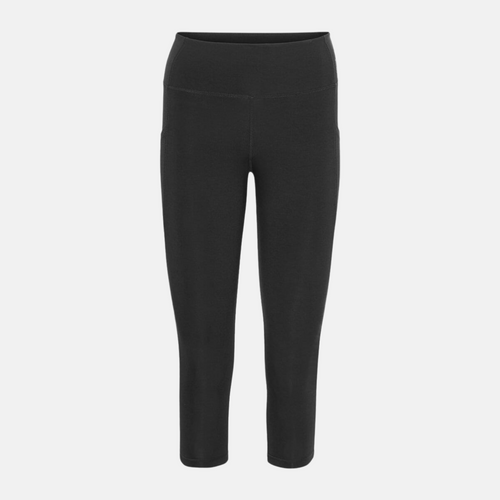
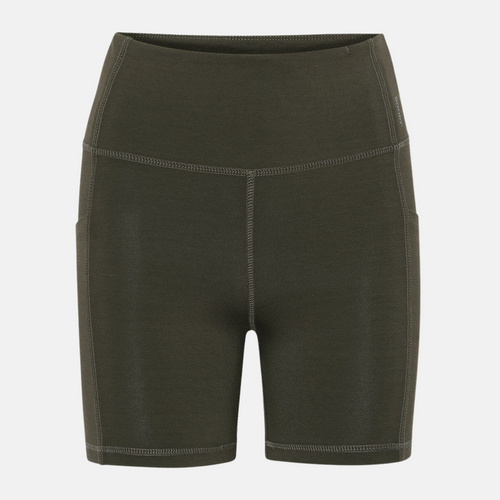
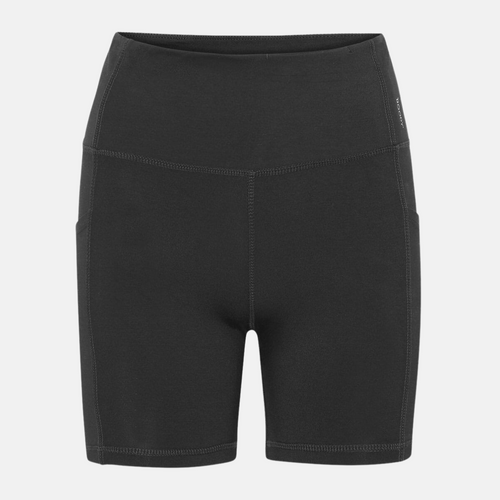
For strength and yoga, a close fit is best, because the fabric follows the movement without slipping or getting in the way. Choose leggings for cooler months and shorts for warm days or hard indoor sessions. See bamboo training leggings for women and bamboo training shorts for women.
Odour is the big difference
Synthetic activewear can start to smell after only a few wears, because odour settles in the fibres. That problem is noticeably smaller in bamboo viscose. After a calm yoga class, you can often air a top and wear it again. After hard training, though, all clothing should be washed.
Fit and stretch
Bamboo activewear often contains a little elastane, so it stretches in deep bends and springs back afterwards. A high, flat waistband stays in place when you bend. Also check that the fabric does not turn see-through when stretched by bending forward in front of a mirror.
Combine the materials
You do not have to choose one material for everything. Many people use bamboo for yoga, strength and walks, and keep a single synthetic set for running and long outings. That way you get the best of both. Choose based on the training you do most often and build from there.
After training
Bamboo clothing is comfortable to wear while the body cools down, because it does not feel clammy against the skin. Pull a dry top on if you are heading out into the cold. Change into dry clothes as soon as you can after hard training, so you do not get cold on the way home.
Washing activewear
Wash at 40 degrees with a mild detergent and turn the clothes inside out. Skip fabric softener, because it leaves a film on the fibres and reduces their ability to move moisture. Hang the clothes up or dry them on low heat, so the elastane lasts longer and the fit is kept.
When in doubt
If you mostly train indoors at a steady pace, bamboo is a good choice. If you train long and hard outdoors, start with synthetic for those sessions and use bamboo for the rest. And if you have particular needs regarding your skin or health, talk to your doctor about what suits you.
Frequently asked questions
Can you run in bamboo clothing?
On short runs, yes, especially in dry weather. For long and wet sessions, technical polyester dries faster, so it is still the better choice there.
Why does bamboo activewear smell less?
Because the fabric keeps the skin drier, and odour does not settle in the fibres the way it does in synthetic fabric. Hard training still calls for a wash afterwards.
Should bamboo activewear be washed without fabric softener?
Yes. Fabric softener leaves a film on the fibres that reduces their ability to move moisture, which is exactly the quality you chose the fabric for.