Bamboo clothing and when to choose a denser quality
Short answer: A denser quality is the right choice when the fabric should drape rather than cling, when it must not be see-through and when the piece needs to hold its shape all day. For hot days and as a layer under other clothes, a light fabric is often better.
When it should drape
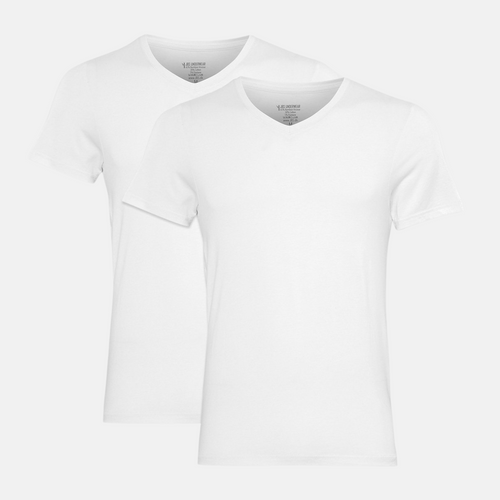
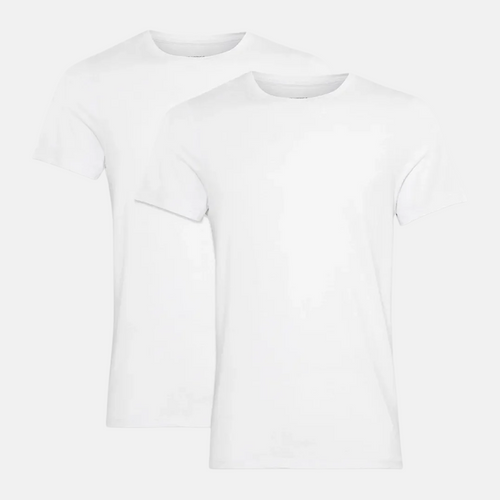
A light fabric sits close to the body and shows every contour. A mid weight falls freely and hangs more calmly. That is the key difference in dresses, trousers and longer tops, where the fabric needs some weight to look right. Hold the fabric up and let it drop, and you quickly see the difference. See bamboo T-shirts for women.
When it must not show through
Light colours in a light quality are often see-through, especially in daylight or under bright lights. White, pale grey and pastels need a denser fabric if you want to wear them without a layer underneath. Hold a hand behind the fabric at a window before you buy. If you can see your hand clearly, others can see through too.
When it should hold its shape
A denser fabric keeps its shape through a whole day. A light fabric stretches at the elbows and knees and starts to sag after you have sat for a few hours. For trousers and tops you wear from morning to evening, it matters that they look the same at eight and at five. See sweatwear.
When light is better
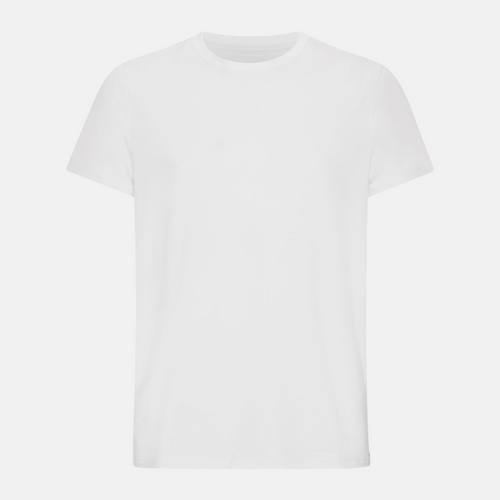
For hot days and for layering under other clothes, a light fabric is better. Here thinness is an advantage, because it adds no extra warmth and does not bulk up under a shirt or jumper. A light T-shirt as a base layer can be worn all year. See bamboo T-shirts for men.
Density and season
In summer a light fabric is often the most comfortable, because it feels cool and dries quickly. In winter a denser fabric gives more warmth in itself and better coverage under a jacket. Many people need both in the wardrobe, so they can choose by the weather rather than compromise.
Density and fit
A dense fabric can carry a looser fit, because it hangs well without clinging. A light fabric often looks best in a slightly closer fit, so it does not flap. Think about fabric and cut together when you choose, and try the clothes in the position you spend most time in.
How to feel the difference
You can often feel density by rubbing the fabric between your fingers. A dense fabric feels full and slides more slowly, while a light one feels thin and cool. Notice how heavy the piece feels in your hand too. Two T-shirts in the same size can feel very different, even when they look alike in pictures.
Washing affects density
A piece that pills loses surface fibres and gets thinner over time. That happens faster with high heat and rough washing alongside coarse clothes. Wash inside out, at a low temperature and with other soft fabrics, and the fabric keeps its density longer. Read more about washing and care.
In short
Choose a denser quality when the fabric should drape well, must not be see-through or needs to hold its shape all day. Choose light for hot days and as a base layer. Test for see-through with a hand behind the fabric in daylight, and wash gently so the density lasts.
Frequently asked questions
When should you choose a denser fabric?
When it should drape rather than cling, must not be see-through or needs to hold its shape all day. That applies especially to light colours and clothes you wear from morning to evening.
When is a light fabric better?
On hot days and as a layer under other clothes, where thinness is an advantage. A light fabric adds no extra warmth and does not bulk up under a shirt.
How do I test for see-through?
Hold a hand behind the fabric in daylight at a window. If you can see the outline of your hand, others can see through it when you wear it.
You can find the full range at Bamboo-Clothing.com.