Bamboo clothing for transitional weather and how to layer
Short answer: In spring and autumn the temperature swings most within a single day. The answer is three thin layers rather than one thick one, so you can take things off and put them back on and stay comfortable throughout.
Three thin layers
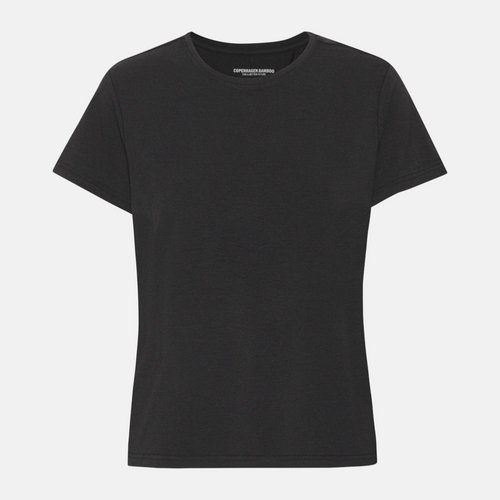
A thin inner layer, a light sweater and a jacket cover roughly five to fifteen degrees. A thick layer covers only one point on the thermometer and ends up too warm or too cold. With three layers you can adjust in small steps as the day moves from a cool morning to a mild afternoon. See bamboo T-shirts for men.
The inner layer must move moisture
When you go from the cold into a warm room, you sweat. If the inner layer is dense, it becomes damp and chills you when you step outside again. A bamboo viscose inner layer absorbs moisture and spreads it out, so you are not walking around with a wet layer against your skin. See bamboo undershirts for men.
The mid layer should open
A zip sweater can be adjusted without taking it off. Open it a little when you walk fast, and close it fully when the wind picks up. A sweater that goes over your head is more awkward and often stays on too long, so you end up too warm. See sweatwear.
The outer layer handles wind and rain
The main job of the jacket is to keep wind and rain out. It does not need to be thick, because the layers underneath hold the warmth. A light jacket that packs into your bag lets you take it off in the afternoon without carrying it in your hand for the rest of the day.
The air between the layers
It is not only fabric that keeps you warm, but the air between the layers too. That is why three thin layers are often warmer than one thick one of the same total weight. Avoid layers so tight that the air is squeezed out, and choose a fit that lets them stack easily.
Length against draughts
A sweater that rides up when you bend over lets cold air in. Choose something long enough to reach past the waistband, even when you are on a bike or reaching for something. A long inner layer that can be tucked into your trousers also keeps draughts out. See bamboo T-shirts for women.
Morning and afternoon
A typical transitional day starts cool and turns mild around noon. Put on all three layers in the morning, and take the jacket off when the sun comes out. If it gets warmer still, the mid layer can come off too. In the evening, add the layers again in reverse order as it cools down.
What you can leave behind
Many people pack too much for changing weather. With three well chosen layers you rarely need more. An extra sweater in your bag is seldom necessary if the mid layer can be opened and closed. A pair of gloves or a thin scarf, however, can be worth bringing on the coldest mornings.
Wash without fabric softener
Fabric softener leaves a film on the fibres and cancels moisture transport in every layer at once. Wash at 40 degrees with a mild detergent, and air dry or use low heat in the dryer. That way the inner layer keeps its ability to absorb moisture all season. See washing and care.
Frequently asked questions
Why are three thin layers better than one thick one?
Because you can adjust as you go, and because the air between the layers insulates. A thick layer covers only one temperature and quickly becomes too warm or too cold during the day.
What matters most in the inner layer?
That it moves moisture away. A damp inner layer chills you when you go back outside, so choose a material that absorbs moisture rather than leaving it against the skin.
Why should the mid layer open?
So you can regulate your temperature without taking the sweater off. A zip makes it easy to open a little when you walk fast and close it fully when the wind picks up.
You can find the full range at Bamboo-Clothing.com.