Bamboo clothing in hot countries and what works
Short answer: Short answer: In tropical heat, humidity is the real problem. Evaporation slows down, so a loose fit and less fabric matter more than in dry heat.
Humid heat is different
In dry heat, sweat evaporates fast and the skin feels dry again within a few minutes. In humid heat, evaporation happens slowly, and sweat stays on the skin for a long time. That is why humid heat often feels worse than dry heat, even at the same temperature, and clothing choices should take that into account.
Loose rather than tight
Air between skin and fabric is what really gets evaporation going, and a loose fit gives room for that air. Tight clothing blocks the airflow no matter which material it is made from. Check out the bamboo t shirt for women and pick a fit with plenty of room at the sleeves and waist.
Chafing is the big problem
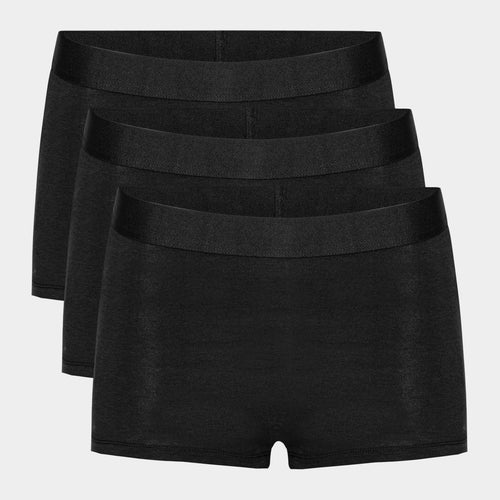
In humid heat, skin rubs against skin worse than in most other conditions, especially on the inner thighs and under the arms. Long legs or boxer style underwear are therefore not an optional extra but something that decides whether the day stays comfortable. Check out the bamboo underwear for men for a cut that covers the problem directly.
Change twice a day
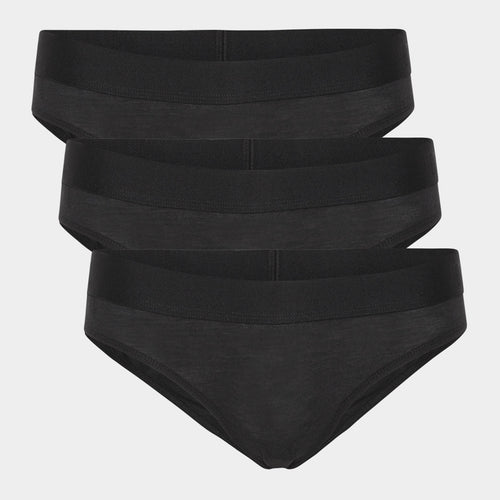
Changing midday often does more for comfort than any single fabric choice can achieve on its own. Damp clothing against the skin keeps the body feeling clammy even after the sun goes down, and a fresh set in the afternoon resets that feeling. Check out the bamboo underwear for women and pack an extra set in your bag.
Fabric that does not cling
Some materials flatten against the skin as soon as they get damp, and that makes the heat feel worse. A fabric that holds a little distance from the skin even when sweaty makes a noticeable difference over a full day in tropical weather. Check out the bamboo t shirts for men for the upper body.
Traveling to hot countries
On a trip, packing space is often limited, and that can tempt you to bring fewer changes of clothes. In humid heat that is the wrong place to save space, since clothes dry more slowly and need to be used more often. Prioritize two to three sets of underwear and t shirts over an extra outfit for the evening.
Color and heat
Dark colors absorb more heat from the sun than light colors, and the difference is clear on days spent outdoors in direct sun for several hours. Choose light shades for the days you are out in direct sunlight for a long time. Indoors or in the shade, color matters less, and fit and material decide comfort instead.
Hand washing
Lukewarm water and a little mild soap are enough for most materials, and a quick hand wash dries far faster while traveling than a machine wash. Roll the garment in a towel to press out the water, then hang it somewhere with airflow. Check out washing and care for more tips.
What you can do without
For a trip in hot climate you rarely need more than a few good basics rather than many different types of clothing. A couple of loose t shirts, underwear in a breathable material, and something that dries fast cover most situations. The rest mostly comes down to habits like changing early and washing often.
Frequently asked questions
Why does humid heat feel worse than dry heat?
Because evaporation happens more slowly in humid air, so sweat stays on the skin instead of disappearing. That creates a clammy feeling even at the same temperature as dry heat.
Is loose clothing better than tight clothing in the heat?
Yes, because air between skin and fabric is what really gets evaporation going. Tight clothing blocks that airflow no matter which material it is made from.
How often should you change clothes in humid heat?
Twice a day is a good rule of thumb in humid heat. That often does more for comfort than any single fabric choice, and it keeps the skin less clammy.
See our range of Copenhagen Bamboo.