Bamboo for Workouts – Why Bamboo Beats Polyester and Cotton
Short answer: For training, bamboo viscose beats both polyester and cotton. Polyester moves sweat but does not absorb it, which is why the smell settles into the fabric. Cotton absorbs a great deal but releases it slowly and turns heavy and cold. Bamboo does both: it moves moisture away from the skin and takes it into the fibre.
Polyester moves sweat but does not absorb it
Polyester carries sweat quickly across the fibres, which is why the material feels dry for the first few minutes. The fibre itself absorbs almost no moisture, so the sweat sits between the threads in the fabric, and that is where bacteria have the best conditions. That is the whole explanation for the smell that stays in a polyester top even after a sixty degree wash. Bamboo viscose does both at once: it moves moisture away from the skin and takes it into the fibre itself, so the layer against the skin stays dry. The difference shows most in close fitting pieces such as bamboo sportswear for women.
Cotton absorbs a lot but releases it slowly
Cotton has the opposite problem. The fibre soaks up large amounts of moisture but gives it off slowly, and that is why a cotton top turns heavy and wet a quarter of an hour into the session. When your pulse drops, the wet fabric lies cold against your back for the rest of the time, and that is unpleasant in a gym and outdoors alike. Bamboo viscose releases the moisture again faster, so the fabric keeps working rather than saturating. That also goes for looser styles where the fabric does not sit right against the body, such as bamboo training shorts for women.
Friction, chafing and seams
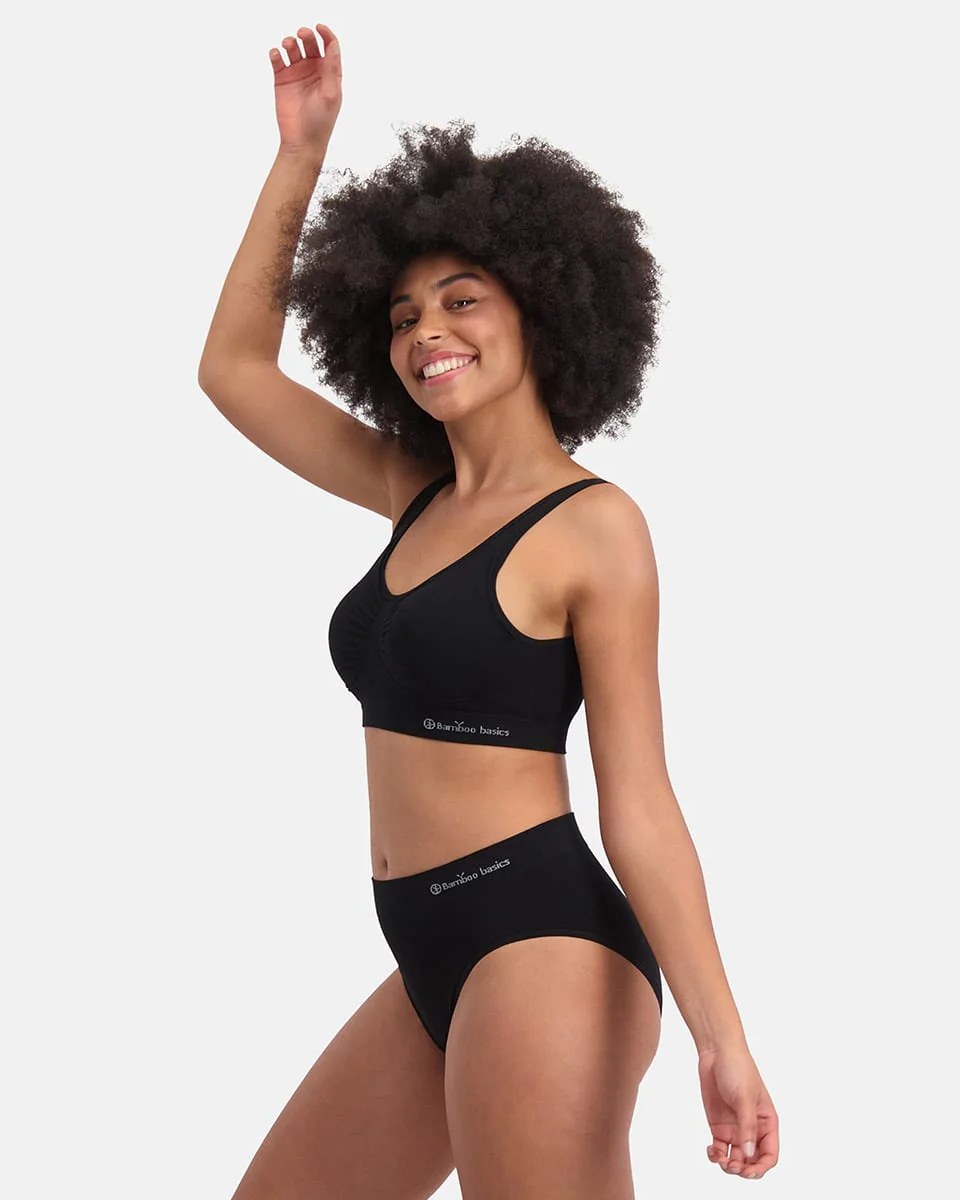
Most chafing comes not from the fabric itself but from a seam or an edge in the wrong place, and from moisture softening the skin. Bamboo viscose has a smooth fibre surface with no sharp ends, so friction is low, and because the skin stays drier it is not irritated as easily. On long runs and rides, two places decide whether a session is comfortable: the inside of the thigh and the band under the bust. That is why bamboo leggings for women and bamboo sports bra are the first two things worth changing.
The feet get forgotten
The foot in a closed training shoe is the place on the body where heat and moisture gather most, and a wet foot is the fastest route to blisters. A bamboo sock keeps the foot drier than a cotton one and has a softer cuff that does not cut into the calf when it sits high. Change the socks before you change anything else: they cost the least, and the difference shows from the first session. The range sits under bamboo socks for men.
The innermost layer matters most
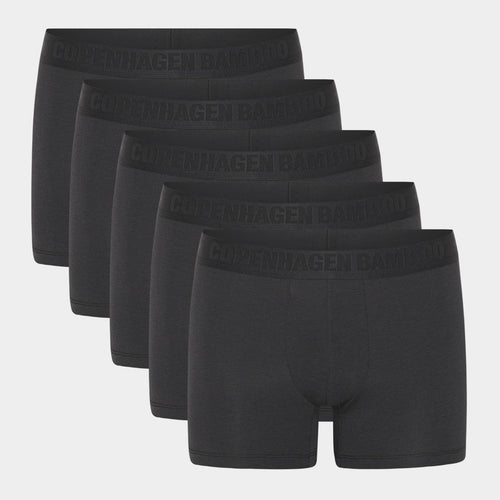
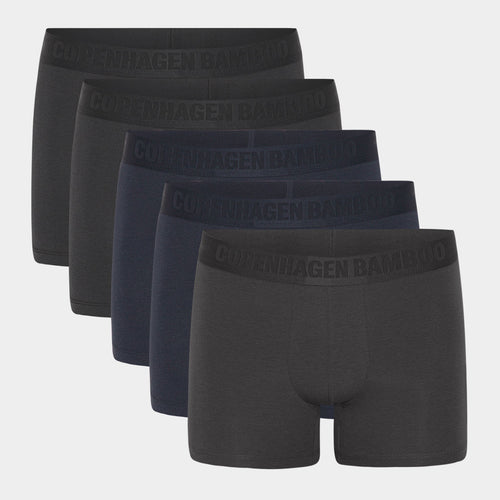
The outer layer is what people see, but the inner one decides how the training feels. If there is a cotton or polyester boxer under the shorts, it does not help much that everything else has been changed. Start from the inside and work out, then move on to the tee and the shorts. A thin bamboo layer underneath dries quickly and takes frequent washing at thirty degrees, which is exactly what training clothing gets. See bamboo underwear for men.
Frequently asked questions
Does bamboo sportswear smell less than polyester
Yes, in practice it does. The moisture is taken into the fibre rather than sitting between the threads, so bacteria have poorer conditions.
Can bamboo be used for hard training
Yes. For running, strength training and classes it works well. For very long sessions in the cold, many people pick a bamboo layer underneath and a windproof layer on top.
How do you wash bamboo training clothing
Thirty degrees, mild detergent and no fabric softener. Softener closes off the moisture transport, and then the fabric stops working.
You can find the full range at Bamboo-Clothing.com.