Bamboo or merino wool as a base layer
Short answer: Short answer: Merino wool stays warm even when wet, making it best in cold weather. Bamboo viscose is cooler, smoother and more comfortable in mild weather and indoors, where comfort matters most.
Wool wins in cold, wet weather
Wool keeps insulating when the fibres are damp, since the fibre structure itself holds air even with water inside it. That is why wool is standard on mountains and winter trips, where weather can change quickly along the way.
Bamboo wins on temperature and comfort
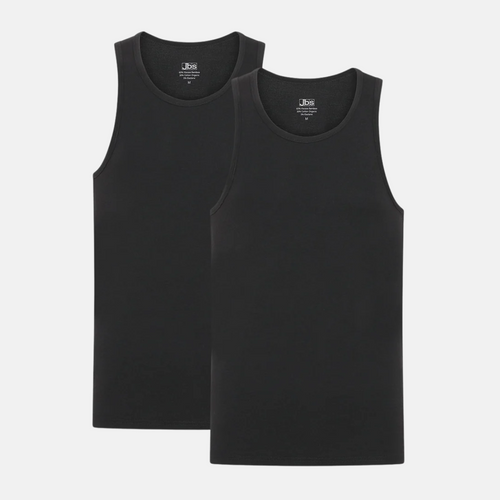
Bamboo viscose feels cooler and smoother and does not itch against the skin the way wool sometimes does. That makes it better for everyday wear and indoor use, where you are not facing the same weather swings. See bamboo undershirt for men.
Washing and price
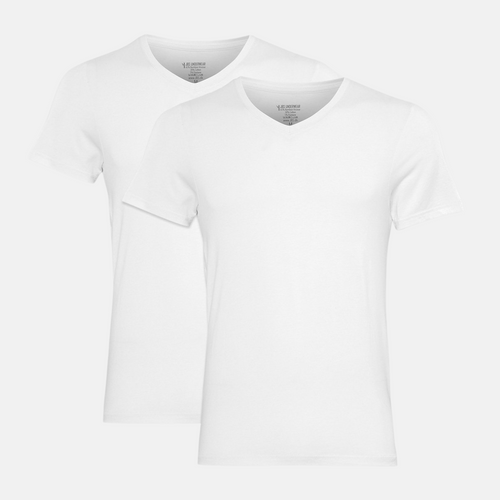
Wool often needs hand washing or a gentle special cycle and is generally more expensive per item. Bamboo viscose can be machine washed at forty degrees without any trouble. See bamboo t-shirts for men.
Weight and pack size
Merino wool comes in several weight classes, and a thin wool top takes up surprisingly little space in a backpack compared with thicker alternatives. Bamboo viscose is also light but does not pack quite as compactly as thin, specialised wool fibre.
Odour during activity
Wool has natural properties that slow odour build up even after several days of wear without washing, which is useful on long trips. Bamboo viscose also stays fresh longer than ordinary cotton, but rarely quite reaches wool's level during hard physical activity.
The feel against skin in the morning
Many find wool slightly rough despite soft merino quality, while bamboo viscose feels smooth from the first moment with no adjustment period at all. That makes bamboo an obvious choice for anyone sensitive to texture against the skin.
Temperature regulation in practice
Merino wool handles large temperature swings well, since the fibres actively absorb and release moisture. Bamboo viscose regulates best within a narrower, milder range, where the body does not swing sharply between cold and warm.
When to choose which
Heading out into rain, snow or heavy cold, merino wool is the safe choice as an inner layer. On a mild day or indoors, bamboo viscose gives the most comfort without unnecessary warmth.
Combine the two as needed
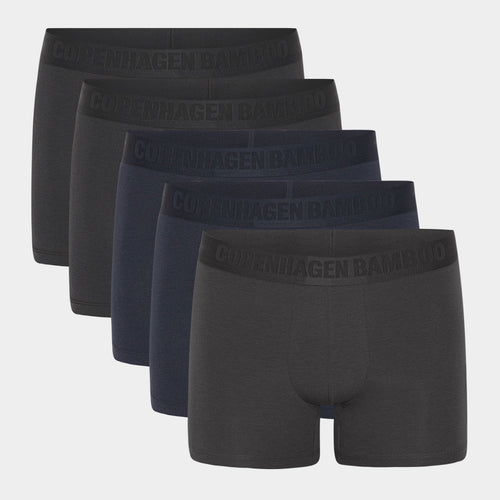
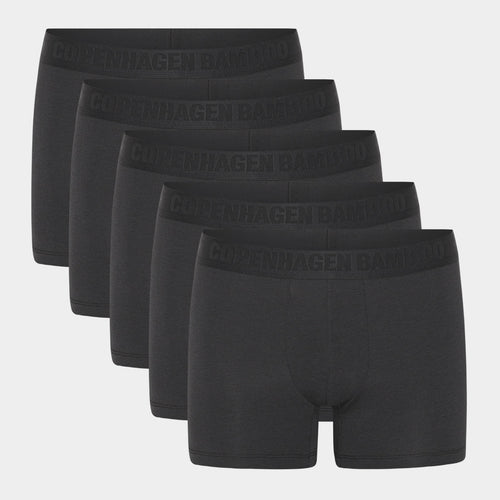
Yes. Bamboo closest to the skin and wool as a middle layer is a good combination on days with changing weather. See bamboo underwear for men.
Frequently asked questions
What is best in winter cold?
Merino wool as an insulating layer. Bamboo viscose works best as the thin innermost layer, where it keeps skin dry without needing to provide the warmth itself.
Does bamboo itch the way wool can?
No. Bamboo viscose has smooth fibres and is rarely felt as itchy, even by people who normally react to ordinary wool against the skin.
Can the two be combined?
Yes. Bamboo closest to the skin and wool as a middle layer is a good combination when weather shifts between cold and mild during the day.
You can find the full range at Bamboo-Clothing.com.