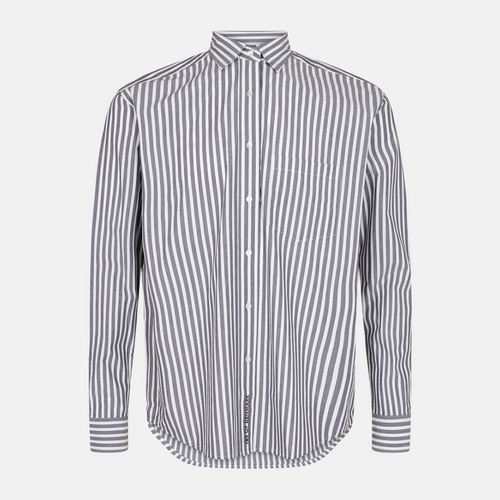
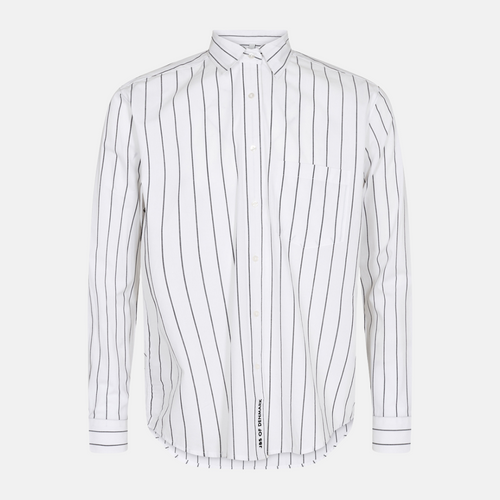
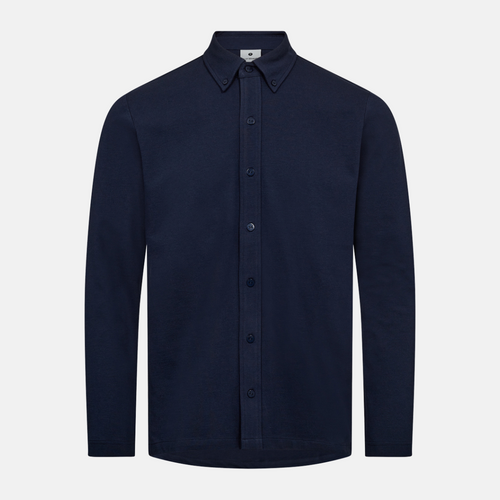
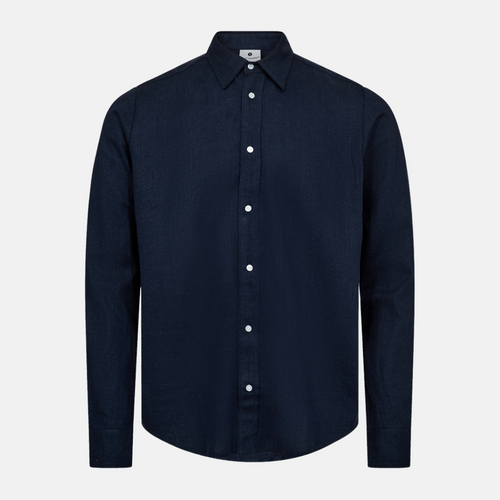
Bamboo shirt for men and when it beats a cotton shirt
Short answer: A bamboo shirt wins on warm days and long days. It moves sweat away from your back and needs ironing less often. It loses when the shirt has to stand crisp with a stiff collar.
Where it wins
In warm rooms and on long days, your back does not get as wet as in dense cotton. The fabric moves moisture away from the skin, drapes softly and creases less after hours in a car or office chair. You notice it most in the afternoon. See bamboo shirt for men.
Where it loses
If the shirt must stand crisp with a stiff collar and sharp lines for a very formal occasion, dense cotton poplin holds its shape better. Bamboo viscose drapes more softly and follows the body. That is comfortable, but gives a more relaxed look. For a suit and tie at a wedding or an important meeting, cotton may be the better choice.
A day at the office
For an ordinary working day, the bamboo shirt is a good choice. It looks neat in the morning and still looks neat at the end of the day, because it creases less around the stomach and elbows. It goes with chinos, jeans or suit trousers and works with or without a jacket.
What you wear underneath
A thin undershirt keeps the shirt dry all day and protects it from sweat marks under the arms. Choose a colour close to your skin tone so it does not show through light shirts. See bamboo undershirt for men or bamboo tank top for men if you prefer no sleeves underneath.
A fit that looks good
The shoulder seam should sit on the shoulder joint, and you should be able to lift your arms without the shirt pulling out of your trousers. Because the fabric drapes softly, the shirt can be a little looser than a cotton one. The buttons should not pull across the chest when you sit. If they do, go up a size.
Sleeve length and cuff
The cuff should reach the wrist when your arms hang down and should not creep up when you reach forward. If the sleeves are too long, they gather over the hand. In summer you can roll the sleeves to just below the elbow. Bamboo fabric holds a roll well and does not slide down during the day.
Washing and hanging
Wash the shirt at 30 to 40 degrees with the buttons done up. Hang it on a hanger straight from the machine while it is damp, and gently pull the front and sleeves straight. Then you only need to iron the collar. Avoid high heat in the dryer. See washing and care.
Ironing when needed
If the collar or front needs a little help, iron on low to medium heat with the shirt inside out. Too much heat can leave shiny marks on the fabric. A damp cloth between iron and shirt helps. It takes little time, because the fabric is already nearly smooth after hanging.
Two kinds in the wardrobe
With both a bamboo shirt and a cotton shirt, you cover most needs. Bamboo for long working days, travel and warm months, cotton for the few occasions when the shirt must stand completely crisp. Many find they reach for the bamboo shirt far more often, because it takes less work after washing.
Frequently asked questions
Does a bamboo shirt need ironing?
Rarely. Hung up damp straight from the machine, it smooths itself out apart from perhaps the collar. If you do iron it, use low to medium heat and preferably turn it inside out.
Is a bamboo shirt smart enough for a party?
For most occasions, yes. It drapes softly and looks well dressed all evening. For very formal occasions with a stiff collar, though, a dense cotton poplin gives a crisper look.
Why does my back stay drier?
Because the fabric moves sweat away from the skin and releases it into the air instead of holding on to it. That is why the shirt clings less to your back on warm days.