Bamboo underwear and what the OEKO-TEX label covers
Short answer: OEKO-TEX Standard 100 means the fabric has been tested against a catalogue of harmful substances. It tells you what is not in the fabric, but nothing about how it was produced. The label is a product test.
What the label tests for
The certification tests the finished fabric for chemical residues above set limits. This covers dyes, heavy metals and a range of other substances that may remain after production. The test applies to every part of the garment, including thread, elastic and labels. For more on the standard itself, read what OEKO-TEX Standard 100 means.
What it does not cover
The label says nothing about working conditions, water use or how the fibre was made. It is a product test, not a production standard. A certified fabric can be made in many different ways, as long as the finished result stays below the limits. It is worth knowing the difference so you do not read more into the label than it promises.
Why it matters for underwear
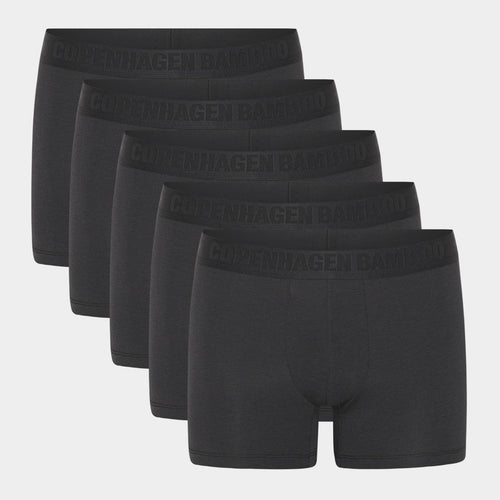
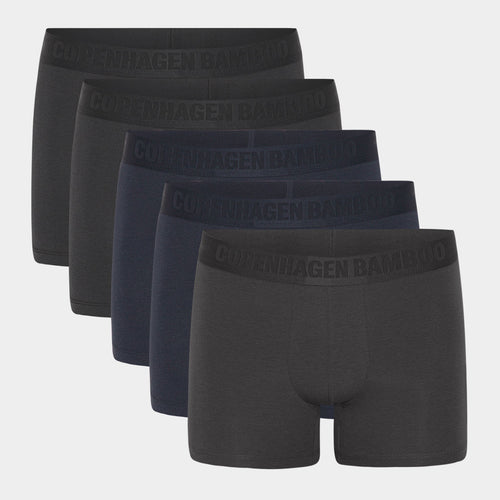
Underwear sits against your skin all day and often at night too. That is why chemical residues matter more here than in an outer jacket that rarely touches the skin. Body heat and moisture also mean the fabric stays in close contact with the skin for many hours at a time. See bamboo underwear for men.
The limits depend on use
The standard sorts products into classes by how close they come to the skin. Clothing worn directly against the body, such as underwear and nightwear, is tested against stricter requirements than curtains or jackets. That makes sense, since the risk depends on contact. For underwear, it is exactly this strict class that matters.
Where you see it
The certification is shown on the product page of the items that have it. If nothing is stated, you cannot assume the item is certified, even if other items from the same brand are. The label belongs to the individual item, not the whole range. You can find the certified items under OEKO-TEX certified items.
A label that is renewed
The certification is not permanent. It has to be renewed regularly, and production is tested again. So the label says something about current production, not just a single test from years ago. If you are unsure about an item, you can ask for the certificate number and look it up with OEKO-TEX.
Other labels
FSC covers something quite different, namely where the raw material comes from and how the forest is managed. It says nothing about chemicals in the finished fabric. The two labels complement each other, but one cannot replace the other. To learn more about the forest label, read what FSC means.
Wash new items first
Even with a certified fabric, it is a good habit to wash new underwear before wearing it the first time. This removes dust and any residue from transport and storage. Wash at 40 degrees with the right amount of detergent and skip fabric softener, so the fabric keeps absorbing moisture well.
In short
OEKO-TEX Standard 100 tells you the finished fabric has been tested for harmful substances above set limits. It says nothing about production, working conditions or where the raw material comes from. For underwear, which sits against your skin all day, it is useful information. Look for the label on each product page.
Frequently asked questions
What does OEKO-TEX Standard 100 mean?
That the finished fabric has been tested for chemical residues above set limits. The test covers dyes and heavy metals, among other things, in every part of the item.
Does the label say anything about production?
No. It tests the finished product, not how it was made. Working conditions and water use fall outside what the label covers.
Why does it matter especially for underwear?
Because underwear sits directly against the skin all day and often at night. Residues matter more here than in clothing that rarely touches the skin.
See our range of Boody underwear.