Bamboo underwear for cold hands and feet in winter
Short answer: If you feel the cold easily, the biggest gain comes from a thin layer on your body, not from thicker socks. A warm body sends more blood to your hands and feet, while a cold one keeps the warmth inside.
The body protects its core
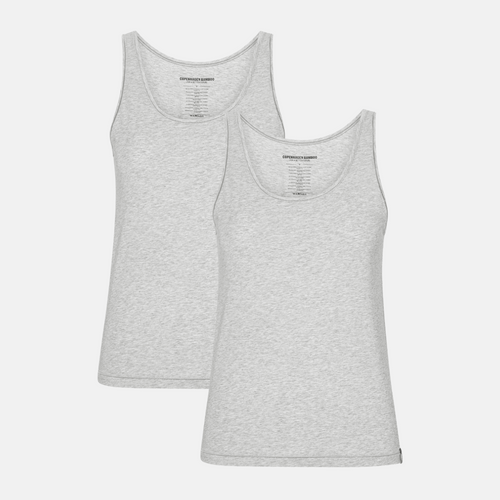
When your body gets cold, it pulls blood away from the hands and feet to keep warmth around the internal organs. It is a natural response, but it means fingers and toes get cold first. A layer on your body therefore helps your hands and feet too, because the body no longer needs to save heat. See bamboo undershirts for men.
A thin layer rather than a thick one
A thin layer close to the skin holds warmth without making you bulky. It can be worn all day under a shirt, jumper or dress. Bamboo viscose is soft and lies smooth, so it does not bunch under other clothing. Choose a length that covers the lower back, so no cold strip appears when you bend.
A layer on your legs
A thin layer under your trousers does more than thicker trousers, because the air between layers insulates. Legs have large muscles and a lot of skin that gives off heat. Keeping them warm leaves the body more warmth to send down to the feet. You notice it most when cycling or waiting outdoors. See bamboo long johns.
Socks without constriction
A tight sock restricts exactly the blood you are trying to get into your foot. Choose a soft cuff that stays up without leaving marks. This also applies when you wear two pairs of socks on top of each other. If the foot is squeezed in the shoe, it gets colder, not warmer. See all bamboo socks for women.
Dryness over thickness
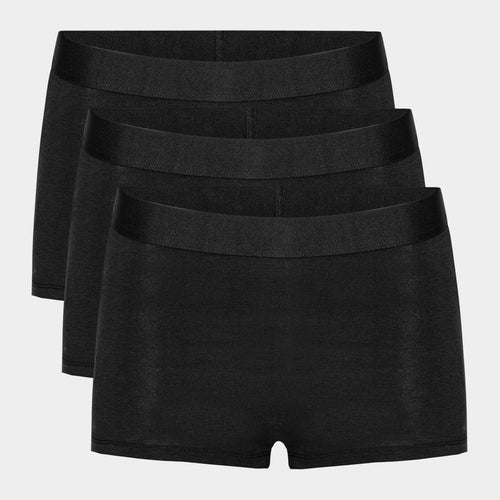
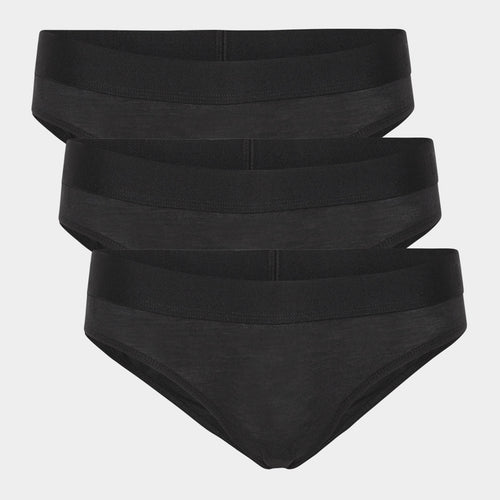
Moisture cools. A dry foot in a thin sock is warmer than a damp foot in a thick one. A material that moves moisture away from the skin therefore holds warmth better through the day. The same goes for your body, where a clammy layer quickly feels cold. See bamboo underwear for women.
Room in the shoe
Many people wear thicker socks in winter without changing shoes. The foot gets squeezed, blood struggles to get through, and the insulating air is pressed out. Make sure you can move your toes. A slightly larger winter shoe with a thin sock is often warmer than a tight shoe with a thick one.
Your hands
Hands follow the same logic as feet. A warm body sends more blood to the fingers, and gloves that are tight at the wrist do the opposite. Keep sleeves long enough to cover the wrist, and put your gloves on before your hands get cold. It is easier to keep warmth than to get it back.
When the cold does not go away
If fingers or toes turn white, blue or numb in the cold, or hurt when they warm up again, talk to your doctor. There may be a cause worth looking into. Clothing can make everyday life easier, but it does not replace a proper assessment.
In short
Start with a thin layer on your body and legs before reaching for thicker socks. Choose socks with a soft cuff and make sure there is room in your shoes. Keep your skin dry, because moisture cools more than thin fabric. And put on gloves and extra layers before the cold sets in, not afterwards.
Frequently asked questions
Why does an undershirt help with cold feet?
Because a warm body sends more blood to the hands and feet. The body protects its core first, and once that is warm there is no longer any reason to hold back warmth from the extremities.
Are thick socks the answer?
Rarely. Dryness and room in the shoe matter more than thickness, because a squeezed foot gets less blood and a damp foot gets cold, however thick the sock is.
Why should the sock not be tight?
Because tightness restricts blood flow to the very foot you want to warm. A soft cuff stays up without constricting and lets blood reach all the way to the toes.
See our range of Boody underwear.