Bamboo viscose against wool in practice
Short answer: Wool keeps you warmer and smells less, but it needs gentle washing. Bamboo viscose is softer on the skin and can go in the machine at thirty degrees. So the choice depends on whether you want more warmth or an easier everyday routine.
Two fibres with different strengths
Wool is an animal fibre and bamboo viscose is a plant fibre, so they behave differently even though both are used close to the body. Wool is strongest on warmth, and viscose on softness and easy washing. Here we go through what the difference means in ordinary daily life, without overselling either fibre.
The warmth
Wool holds warmth even when damp, because the fibre is crimped and traps air. Viscose cannot match that. Viscose insulates less and feels cooler against the skin. So wool is the natural choice for cold days outdoors, while viscose suits indoors and mild weather, where you do not want to get too warm.
When it is damp
Damp is where the two differ most. Wool does not turn cold in the same way as many other fabrics when you sweat or step into wet weather. Viscose absorbs moisture and can feel cool, so it is not the best choice for long days in cold and damp. For everyday use and indoors the difference is rarely a problem.
Washing viscose
Viscose can go in the machine at thirty degrees with the rest of the wash. You need no special programme or detergent, which makes the clothes easy to live with. Always follow the care label in each item, but for most people it becomes a wash like any other. If you want clothes at a good price, see our offers for men.
Washing wool
Wool needs a wool programme, wool detergent and a low spin, otherwise it felts together and shrinks. That takes a little more thought and a little more time. For some that is perfectly fine, and for others it is the reason the wool clothes stay in the drawer. Choose what fits the pace of your daily life.
Against the skin
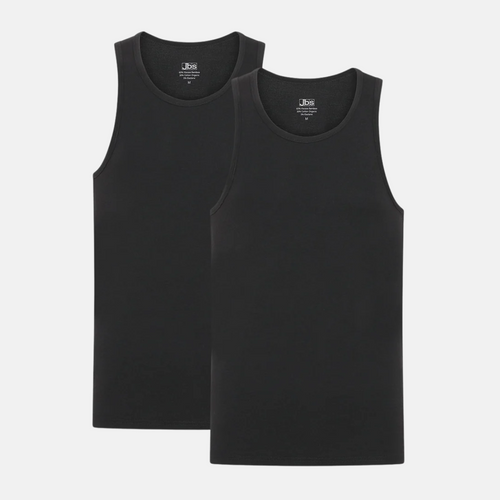
Viscose feels smooth and does not itch, even for people who cannot have wool directly on the skin. Wool can itch depending on how fine the fibres are, and that is the most common reason a wool garment goes unworn. If you want something soft close to the body, viscose is a safe choice. Have a look at our bamboo tops for women.
For sensitive skin
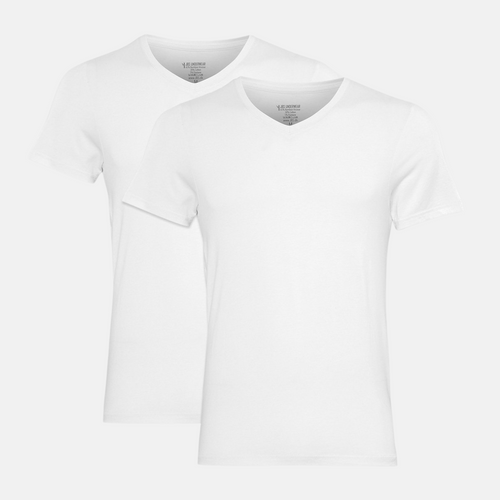
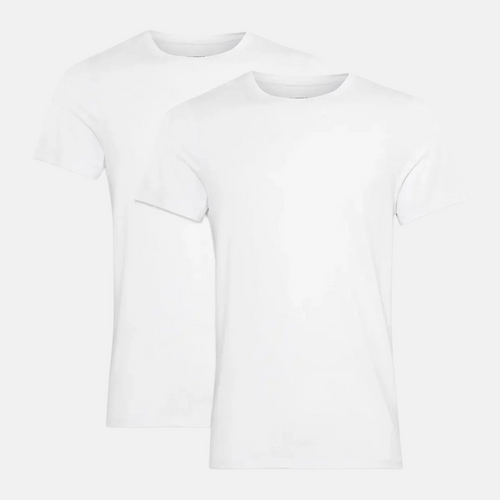
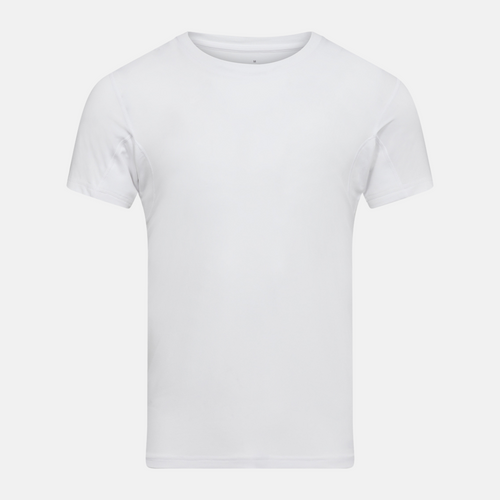
If you find wool difficult directly on the skin, viscose is an obvious alternative as the innermost layer. Remember that skin is individual and no fibre suits everyone. If you have eczema or skin problems, talk to your doctor before choosing a material. One example of something soft close to the body is our bamboo undershirt for men.
Layer on layer
You do not have to choose. Viscose innermost and wool as a middle layer works well, because you get softness against the skin and warmth on the outside. Wool then never touches the skin directly, so it cannot itch, and the viscose can be washed often and easily while wool smells less and needs washing less often.
What you should choose
Choose wool if warmth matters most and you enjoy looking after it. Choose viscose if you want something soft that simply goes in the machine. And choose both if you want the best of both worlds. Neither is best at everything, and the right one is the one you actually wear.
Frequently asked questions
What is warmest
Wool, especially when damp, because the fibre is crimped and traps air. Viscose insulates less and feels cooler against the skin, so for really cold days wool is the stronger choice of the two.
What is easiest to wash
Viscose. It goes in the machine at thirty degrees like everything else, while wool needs a wool programme, wool detergent and a low spin if it is not to felt together and shrink.
Can you combine the two
Yes. Viscose innermost and wool as a middle layer works well, because you get softness closest to the skin and warmth on the outside. So you do not have to choose between the two fibres.
You can find the full range at Bamboo-Clothing.com.