Bamboo viscose or linen for summer
Short answer: Linen carries heat away from the skin and wrinkles visibly. Bamboo viscose is softer and falls smoothly without creasing. Linen wins where airflow matters most, bamboo viscose wins close to the skin. The choice depends on where the fabric sits and how much wrinkling you can live with.
Linen carries heat away the fastest
Linen fibres are stiff and do not lie close to the skin. That creates an air layer between fabric and body, and that layer moves heat and moisture away faster than a soft, close fitting fabric can. This is why linen often feels cooler in still, warm air. See bamboo clothing for women.
Bamboo viscose is softer against the skin
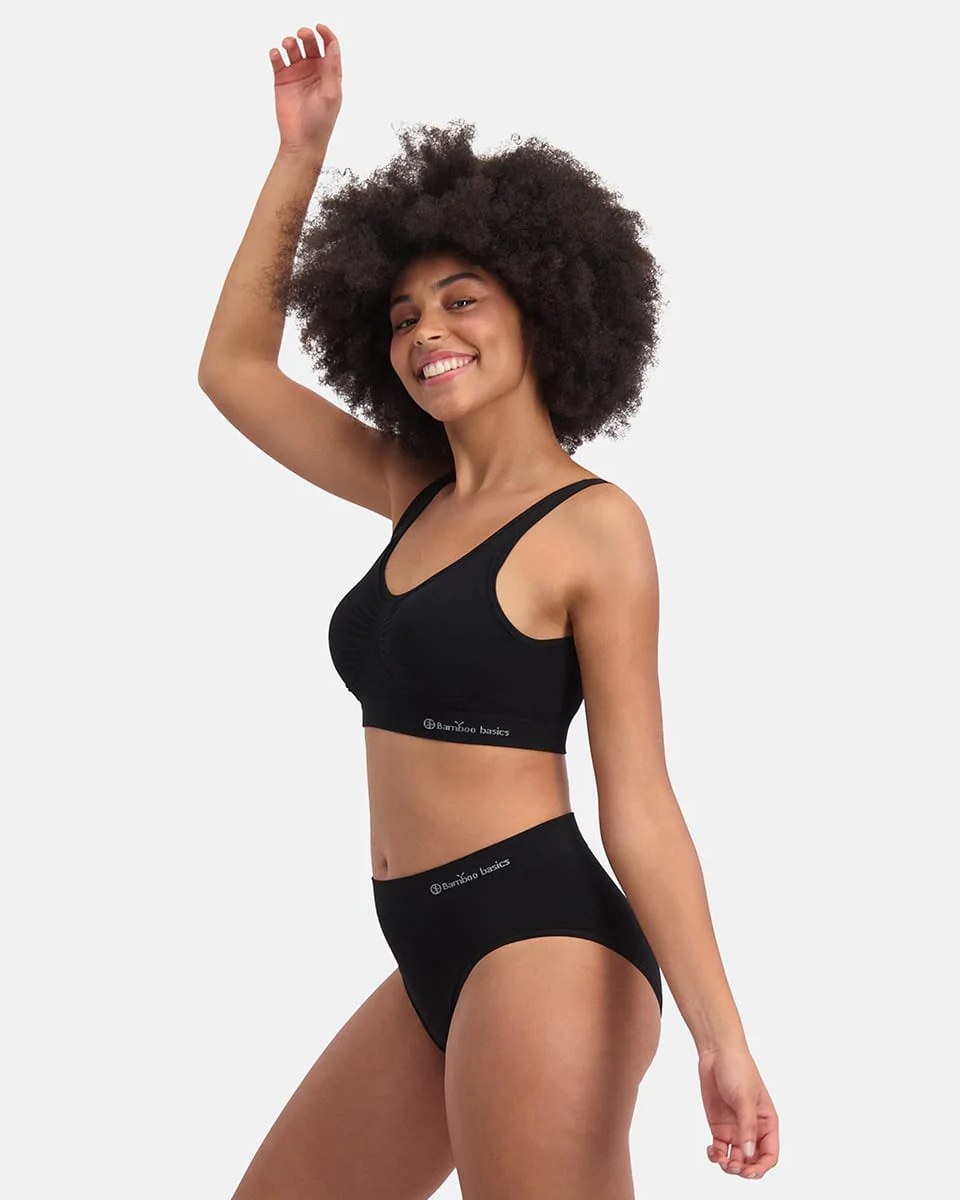
The fibres in bamboo viscose are fine and smooth, and they create less friction against the skin than stiffer fibres do. This shows up most clearly in underwear and in layers worn directly against the body all day. The softness comes from the fibre structure, not from added chemicals. See bamboo underwear for women.
Linen wrinkles as part of its character
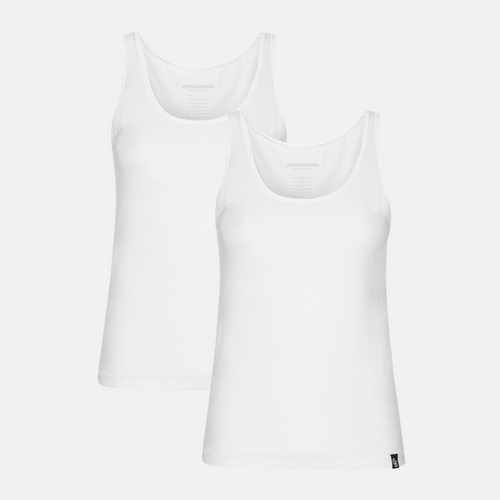
The creasing in linen comes from stiff fibres that do not straighten out again after bending. Many people choose linen precisely for that loose, relaxed finish, while others find it impractical in a day with little time for ironing. Knit fabrics crease noticeably less than linen does. See bamboo t-shirt for women.
The two materials can be combined
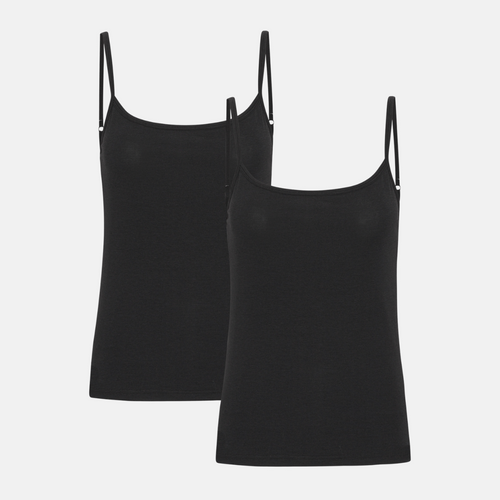
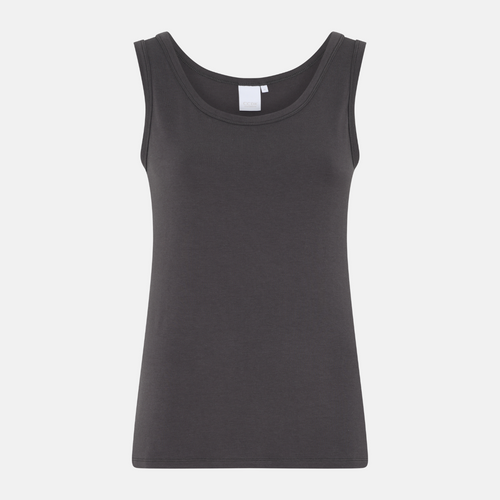
An outer layer of linen and an inner layer of bamboo viscose use the strengths of both materials at once. Linen holds its shape and lets air pass through, while the bamboo viscose sits softly against the skin and absorbs moisture. This pairing is common in summer clothing, where both traits are wanted together. See bamboo tops for women.
Weight affects how the fabric feels
A light linen fabric feels airy and almost sheer, while a heavier linen fabric holds its shape better but insulates more. Bamboo viscose is usually found in even, light weights that vary far less between garments. Weight is often listed in the product description and is worth checking before buying.
Washing and care differ slightly
Linen tolerates warmer washing than bamboo viscose and can be ironed while damp for a smoother finish. Bamboo viscose is washed cooler and dried lying flat to hold its shape. Both fabrics last longest when left to air dry rather than going through a tumble dryer cycle.
The price gap comes from processing
Linen needs more manual handling from plant to yarn, which pushes the price up. Bamboo viscose is made through a chemical process that is more even and faster to scale. Price therefore says more about the production method than about how well the fabric holds up over years of wear.
When to choose which
Choose linen for outer layers, where airiness and a relaxed look matter most. Choose bamboo viscose for layers against the skin, where softness counts, especially underwear and t-shirts worn close to the body throughout the day, without causing irritation to sensitive skin.
Both are natural fibres with a light footprint in use
Neither linen nor bamboo viscose needs fabric softener or hot washing to stay neat, and both tolerate air drying well. The lightest footprint always comes from wearing a garment for a long time and washing it gently, whichever of the two materials you choose for summer wear.
Frequently asked questions
What feels cooler, linen or bamboo viscose?
Linen carries heat away a little faster, because the stiff fibres hold the fabric off the skin and create an air layer that moves warmth out instead of trapping it against the body.
Which is softer?
Bamboo viscose. Its fibres are finer and smoother than linen's, so they create less friction against the skin, which is most noticeable in underwear and other close fitting garments.
Does bamboo viscose wrinkle like linen?
Less, especially in knitted garments, where the loops can move instead of folding. Linen's crease is part of the material's natural character and the shape it takes.
You can find the full range at Bamboo-Clothing.com.