Bamboo viscose versus linen
Short answer: Linen is the coolest fiber in strong heat and grows softer with the years. Bamboo viscose is soft from day one and wrinkles markedly less.
How they cool
Linen is stiff and holds the fabric slightly away from the skin, letting air circulate freely around the body. Bamboo viscose sits closer and carries heat away through direct contact with the skin. Both fibers cool, but in two different ways, and linen clearly wins when it is very hot and dry outside.
Wrinkling
Linen wrinkles heavily and does so almost on purpose, as part of its rustic character in clothing. Bamboo viscose wrinkles only a little and falls smooth after washing without much effort. If clothing needs to look neat without constant ironing, bamboo is the easier choice for most people in daily life.
How it feels against the skin
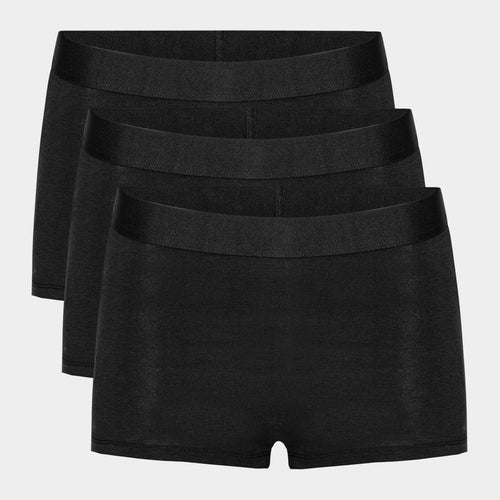
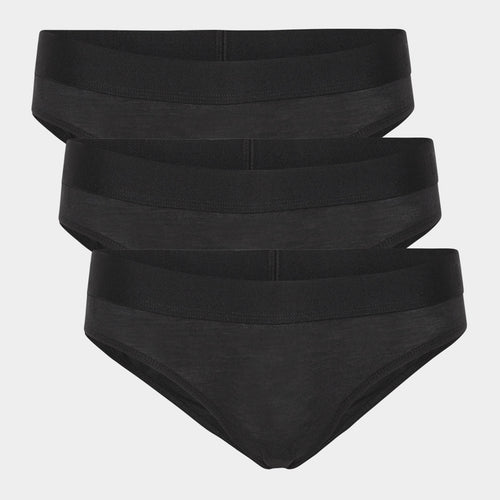
New linen feels rough and only softens with each wash, often over several years of regular use. Bamboo viscose is soft right away and changes only slightly over time. For underwear worn close to the skin, most people prefer bamboo. See bamboo underwear for women for soft examples.
Durability
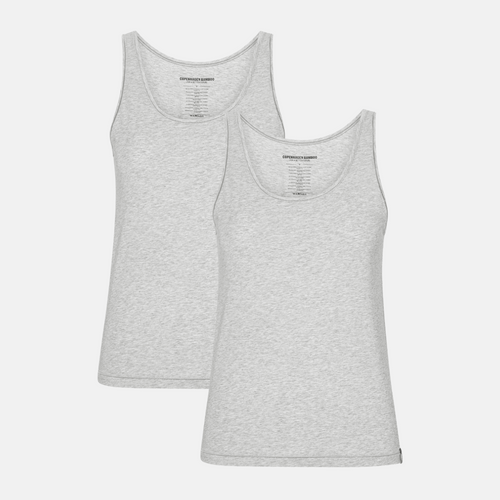
Linen is one of the strongest natural fibers and lasts for many years even with frequent use and washing. Bamboo viscose is weaker, especially when the fabric is wet, which is why you should never wring it hard. See bamboo clothing for women for examples of everyday wear that still holds up.
Weight and structure
Linen has a distinct texture and a certain stiffness even after many washes, which gives it a characteristic look. Bamboo viscose is smooth and soft from the start, without that same surface texture. For relaxed everyday clothing, many people prefer the softer and more even drape that bamboo viscose gives in comparison.
Breathability in practice
Both fibers pull moisture away from the skin well, but they do it differently depending on how the fabric is woven. Linen breathes best in loose fitting clothing, while bamboo viscose breathes well even in more fitted styles. See bamboo shirts for women for examples of loose, breathable pieces.
Price and range
Linen usually costs more than bamboo viscose, both because growing it needs more land and because processing it takes longer. Bamboo viscose comes in a wider range and at a lower price for most basic garments. The price always depends heavily on the quality and the weave of each fabric.
Which one to choose
Choose linen for loose shirts and pants worn on the outside in very hot and dry weather conditions. Choose bamboo viscose as a thin layer against the skin, where softness and an even drape matter more than the rustic texture and the clear wrinkling that linen naturally gets after only short use.
Blends of the two fibers
Many fabrics blend linen and bamboo viscose to combine the freshness of linen with the softness of bamboo viscose against the skin. The blend wrinkles less than pure linen and holds its shape a little better than pure bamboo viscose alone. Read the care label to see the exact ratio between the two fibers.
Frequently asked questions
What is best during a heat wave
Linen as a loose shirt on the outside and bamboo viscose as a thin layer against the skin is a good combination. Together they give both airflow around the body and a soft feeling closest to the skin.
Does bamboo viscose wrinkle at all
Yes, a little, but far less than linen and also less than ordinary cotton. Most people find the wrinkling mild and easy to shake out after wearing the fabric.
Why is linen so stiff to begin with
Because the fiber is long and straight, without the natural waviness that cotton has in its structure. It gradually softens through many washes and through normal use over time.
You can find the full range at Bamboo-Clothing.com.