Bamboo vs. Merino Wool – The Battle for the Base Layer
Short answer: Bamboo and merino wool compete for the spot right next to your skin when it gets cold. Merino keeps you warmest in cold and damp conditions, while bamboo is softer, easier to wash and never itches. For outdoor trips in frost merino wins, and for everyday wear, the office and sensitive skin bamboo wins.
What is a base layer
The base layer is the innermost layer of clothing, lying directly against the skin. Its job is to move moisture away and keep an even temperature, so the outer layers can do the rest. In winter it is usually a long sleeved top and long underwear, and the material decides how comfortable your day feels.
The strengths of merino wool
Merino wool insulates even when it is damp, which makes it hard to beat for ski holidays, winter hikes and long days outdoors in frost. The fibres absorb a fair amount of moisture without feeling wet, and the wool holds heat when you stand still.
The strengths of bamboo
Bamboo viscose is smoother and slightly cooler against the skin than wool, and it moves sweat away quickly. It handles the everyday range from a cold bike ride to a warm office well, where wool can quickly feel like too much. Read more about bamboo and temperature regulation.
Itching and sensitive skin
Even fine merino can itch on sensitive skin, because wool fibres have tiny scales on their surface. Bamboo fibres are smooth and round, so they sit calmly against the skin. If you once gave up on wool underwear because of itching, bamboo is an obvious alternative to try, especially for clothes you wear from morning to evening.
Washing and care
Wool usually needs a gentle cycle, wool detergent and some patience, and it can felt if the wash gets too hot. Bamboo handles a normal machine wash at 30 to 40 degrees on a gentle programme. Skip fabric softener and the tumble dryer, and the fabric keeps its shape longer.
Warmth when standing still
If you stand still in frost for a long time, at a stadium or by a ski lift, merino has a clear advantage because the wool holds heat better. Bamboo is not a winter material in the same way. For days like that, combine a bamboo layer underneath with a wool jumper or fleece on top.
Everyday life, office and commuting
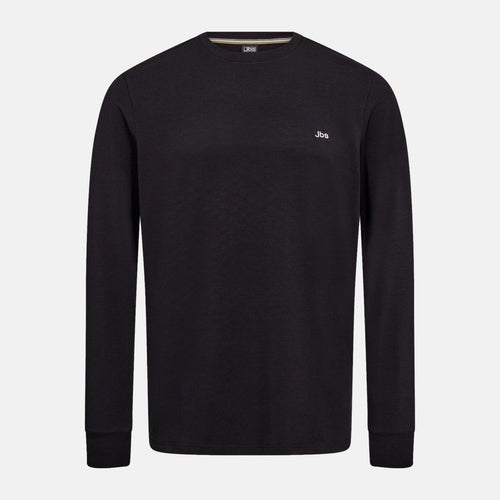
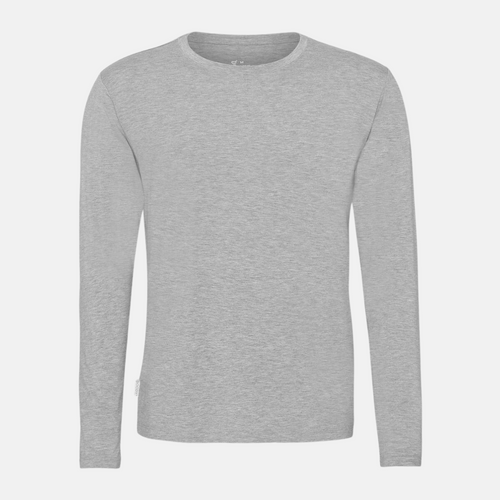
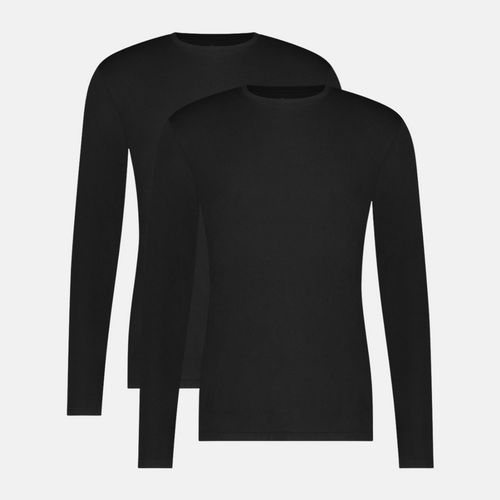
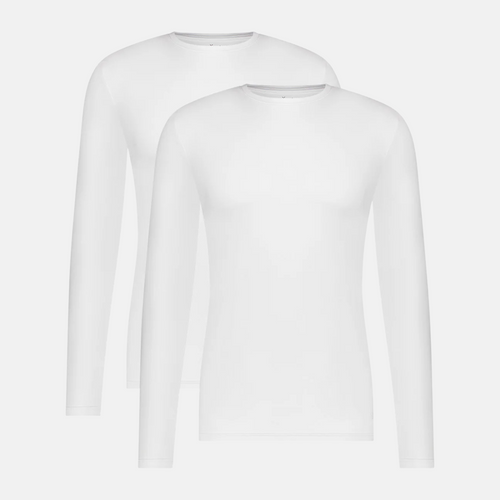
For daily life, when you move between indoors and outdoors several times, bamboo is often the most comfortable choice. A bamboo undershirt for men under your shirt or a long sleeved bamboo T-shirt for men under a jumper adds a layer without overheating once you step inside.
Long underwear on cold days
Legs get cold quickly on the bike or during long waits outside. This is where bamboo long johns make a real difference. They fit close without squeezing, work under both jeans and work trousers and do not feel clammy when you come indoors.
Price and durability in use
Merino clothing often costs more and needs more care in the wash to last. Bamboo is usually cheaper to own, since it can be washed with the rest of your laundry at a low temperature. Both materials last a long time with the right care, so how you use the clothes matters more than price alone.
How to choose
Ask yourself what the clothes are for. If you are heading into the mountains or will stand still in frost for hours, choose merino. If the base layer is for everyday life, work and short trips, choose bamboo. Many people end up with both in the drawer and pick according to the weather. See also the guide to bamboo as a winter base layer.
Frequently asked questions
Is bamboo warmer than merino wool?
No, merino wool keeps you warmest, especially when you stand still in the cold. Bamboo is more comfortable when temperatures change, for example between a cold bike ride and a warm office.
Does bamboo underwear itch?
No, bamboo fibres are smooth and round, so they feel soft against the skin. That is why many people with sensitive skin choose bamboo over wool for the layer they wear all day.
Can I combine bamboo and wool?
Yes, it works well. Wear bamboo next to the skin and a wool jumper or fleece on top, and you get the softness of bamboo and the warmth of wool on the coldest days.
See our range of men's bamboo socks.