Bamboo vs. Wool – When Do You Choose Which?
Short answer: Choosing between bamboo and wool comes down to temperature and skin. Wool insulates best in the cold, while bamboo viscose is softer, does not itch and works best for everyday wear, for skin that reacts to wool and for anything worn directly against the body indoors.
Bamboo vs wool: the strengths of each
Wool stays warm even when damp, which makes it strong for winter hikes and outdoor life. Bamboo viscose, on the other hand, is noticeably softer, moves moisture away quickly and feels cool and pleasant at room temperature. Roughly speaking: wool for frost and the outdoors, bamboo for everyday life, sleep and direct skin contact.
When your skin decides
Many people find wool itchy or irritating, especially on the neck, wrists and stomach. If you have sensitive skin, bamboo is an obvious choice, because the fibres are long, smooth and soft without the small scales found on wool. The fabric sits calmly on the skin, and many who never tolerated wool can wear bamboo all day.
Warmth and moisture in practice
Wool can absorb a fair amount of moisture and still feel warm, which is why it is popular for long trips in the cold. Bamboo moves moisture out of the fabric quickly so the skin stays dry, but it does not insulate as well when temperatures drop far below zero. They are two different strengths for two situations.
Base layers for cold days
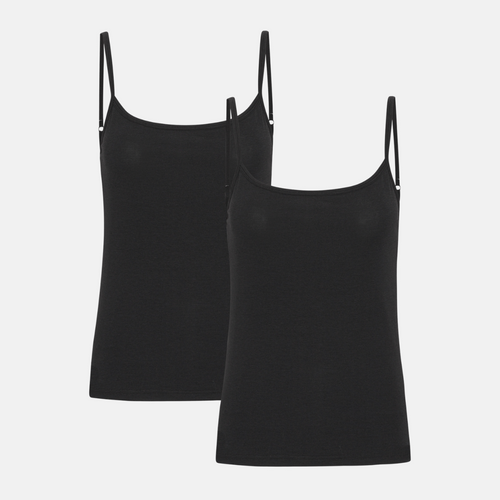
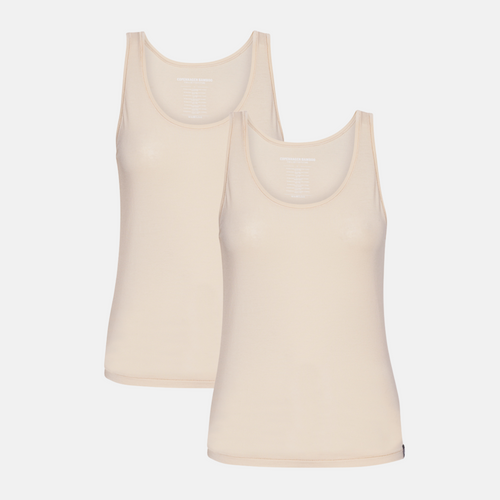
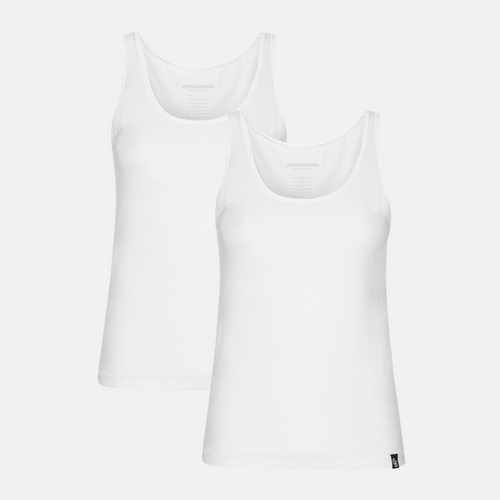
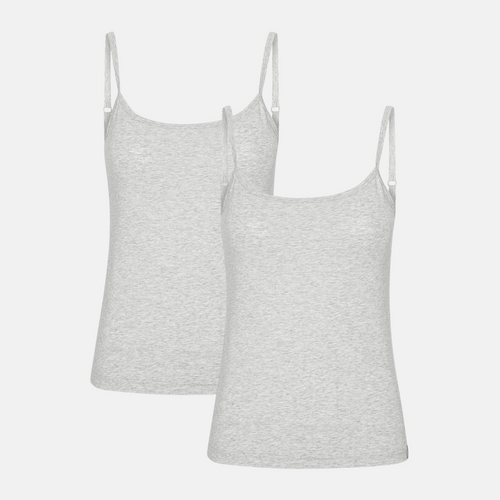
On cold everyday days, a bamboo undershirt and a pair of bamboo long johns work well as a base layer under your clothes, without the itch of wool. See also bamboo undershirts for women and bamboo undershirts for men. If you will stand still in sub zero temperatures for hours, wool is still the warmest choice.
Combine the two materials
You do not have to pick one over the other. Many people wear bamboo next to the skin and a wool jumper on top on the coldest days. That gives you softness and moisture control close to the body and the insulation of wool in the outer layer. It suits anyone who likes the warmth of wool but not its feel.
Care and washing
Wool often needs hand washing or a special programme, and it should dry flat. Bamboo can be machine washed at 30 to 40 degrees with your other clothes. Use a mild detergent and skip the fabric softener. Both materials resist odour, so they can be aired between wears and do not need washing every day.
Everyday life, sleep and indoors
Indoors, where the temperature is more stable, bamboo is often the most comfortable choice. It feels cool and smooth, and you are less likely to overheat at the office or on the sofa. At night bamboo is also a good option, as it wicks moisture and does not itch when you are tucked under the duvet.
How to choose
Ask yourself where you will wear the clothing. For ski trips, fishing or long shifts outside in frost, wool is hard to beat. For the working day, the trip to the bus and any clothing that sits directly on the skin for many hours, bamboo is the calmer and softer choice. Many people end up with a bit of both. See also bamboo clothing for sensitive skin and base layers in bamboo.
Frequently asked questions
Is bamboo as warm as wool?
No, wool insulates better in severe cold. Bamboo keeps a comfortable temperature in everyday life and works well as a base layer, but for many hours standing still in frost, wool is warmest.
Can I wear bamboo if wool makes me itch?
Yes, that is one of the most common reasons people choose bamboo. The fibres are smooth and soft, so many people with sensitive skin who cannot tolerate wool can wear bamboo next to the skin.
Can you combine bamboo and wool?
Yes, it is a good solution on cold days. Wear bamboo next to the skin for softness and moisture control, and add a wool jumper on top when you need extra warmth.