Body odour and the role of the material
Short answer: Odour appears when bacteria on the skin break down sweat. The material decides how long that takes, not whether it happens. Natural fibres such as bamboo viscose release fats more easily than polyester and so smell later, while good care and a quick change after activity do the rest.
What actually smells
Sweat itself is almost odourless. The smell comes from bacteria that live on the skin and break down the proteins in the sweat, and you notice it afterwards. The longer the sweat stays damp against the skin, the more time the bacteria have to work, and the stronger the smell becomes.
Why moisture is the key
Bacteria need moisture, so anything that keeps sweat away from the skin helps. A fabric that moves moisture along and lets it evaporate gives bacteria fewer good conditions. A fabric that holds the dampness against the body does the opposite and lets odour appear sooner, even if you have not sweated more.
The difference between materials
The material decides how fast the smell arrives and how easily it goes again. Polyester holds on to the fats from sweat, and they stay in the fibres even after washing. Natural fibres such as bamboo viscose release them more easily and so smell later. That does not mean they never smell, only that it takes longer.
The t-shirt close to the body
The top is the garment that usually takes the most sweat, because it covers underarms, back and chest. This is where you notice the material most over a day. A soft bamboo viscose fabric sits well without clinging. See bamboo t-shirts for men, and choose a size that fits comfortably without squeezing.
Underwear smells too
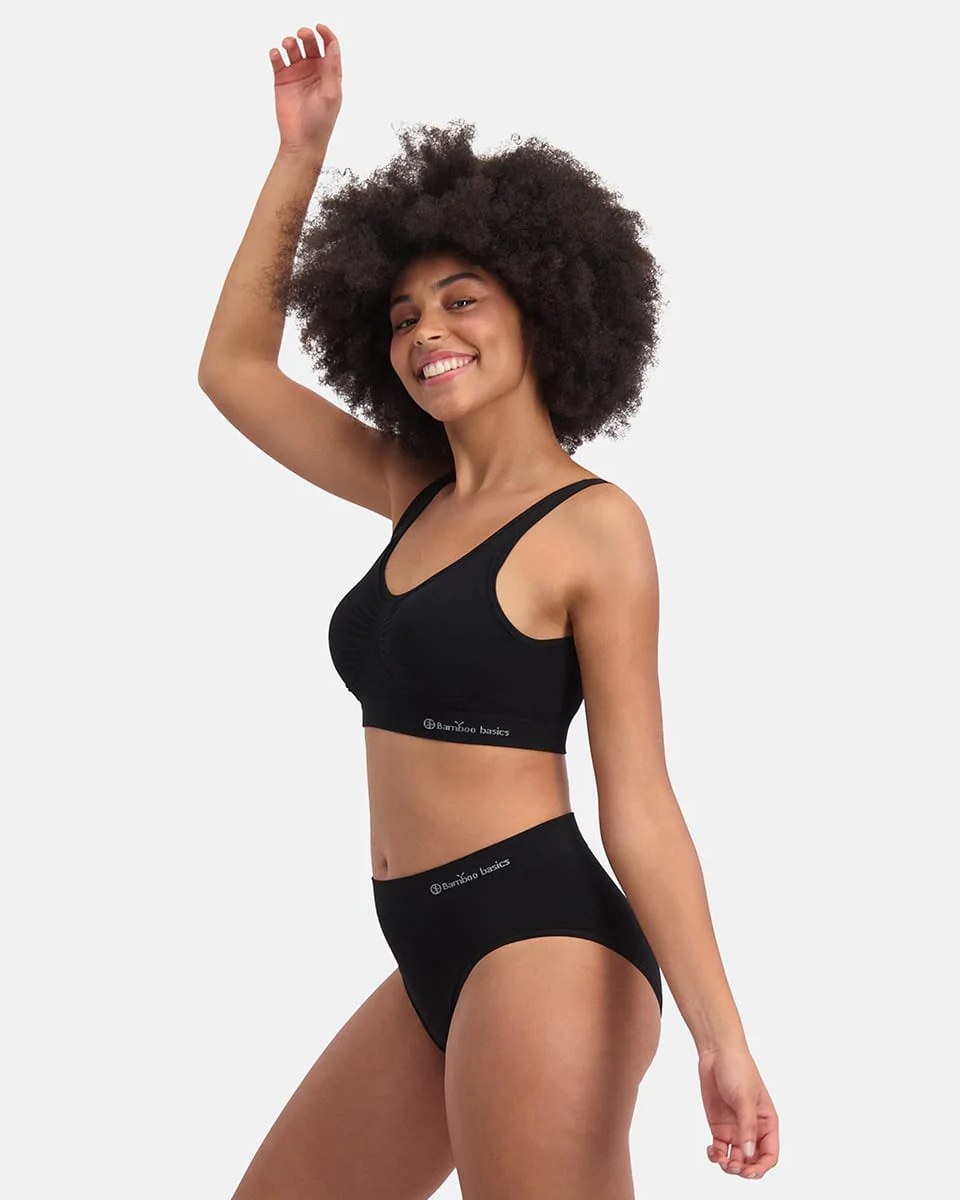
Underwear sits close to the skin, in the places where the body sweats most, so it can smell if the material holds on to moisture. Choose soft bamboo viscose underwear that moisture can pass through, and change daily. See bamboo underwear for men for cuts, sizes and colours in one place.
Training clothes
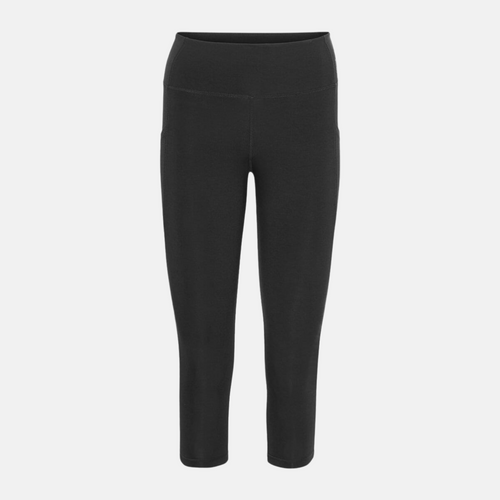
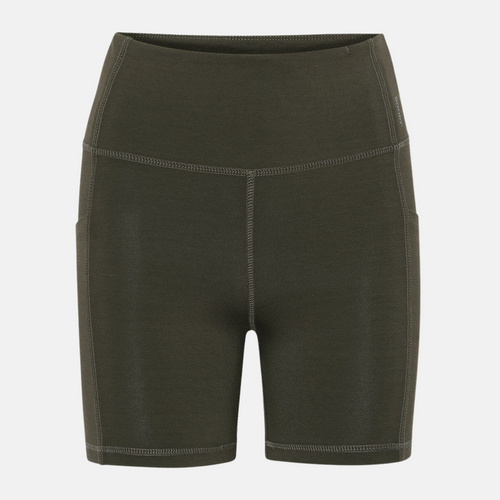
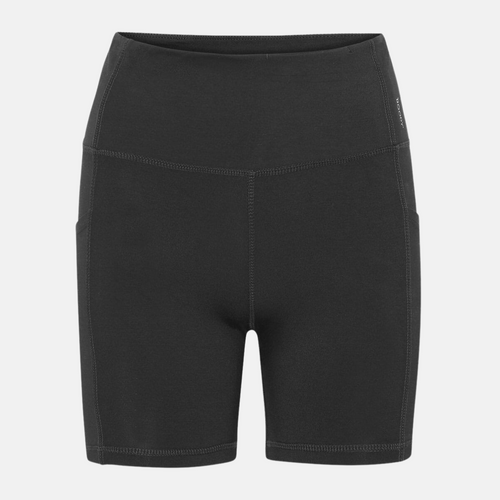
You sweat most when you train, so this is where material matters most. Change into dry clothes as soon as you can after activity, and let wet clothes dry instead of leaving them folded in a damp bag. See bamboo training clothes for women for a selection of clothes that feel soft on the skin.
Changing and washing
The easiest habit is to change after activity and not wear the same damp clothes again. Wash at 40 degrees unless the care label says otherwise, and use no more detergent than the dosage calls for, because residue in the fabric can cause smell. Choose a programme with an extra rinse if clothes feel stiff afterwards.
Drying and storing
Let the clothes dry fully before putting them away, because moisture in a drawer or basket is an open invitation to odour. Hang them in fresh air if you can, and avoid stuffing everything into a full basket. Clothes that have lain wet in a gym bag should be washed straight away.
When the smell stays
If clothes have picked up a smell that does not go with a normal wash, an extra rinse and a teaspoon of baking soda in the drum can help. Wash at the highest temperature the care label allows. If the smell is still there after several washes, it is usually fats holding on, and the material is to blame.
Frequently asked questions
Can you wash smell out of polyester
Partly. Try baking soda in the wash and an extra rinse. Fats from sweat can stay in the fibres, though, so the smell often comes back faster than with natural fibres.
Why do some clothes smell after washing
Because traces of fat and bacteria stay in the fabric. A warmer wash, less detergent and an extra rinse help, and the clothes should dry fully afterwards.
Is deodorant enough
It helps on the skin but does not change what happens in the fabric. The material decides how long the smell stays away, so the two work together.
You can find the full range at Bamboo-Clothing.com.