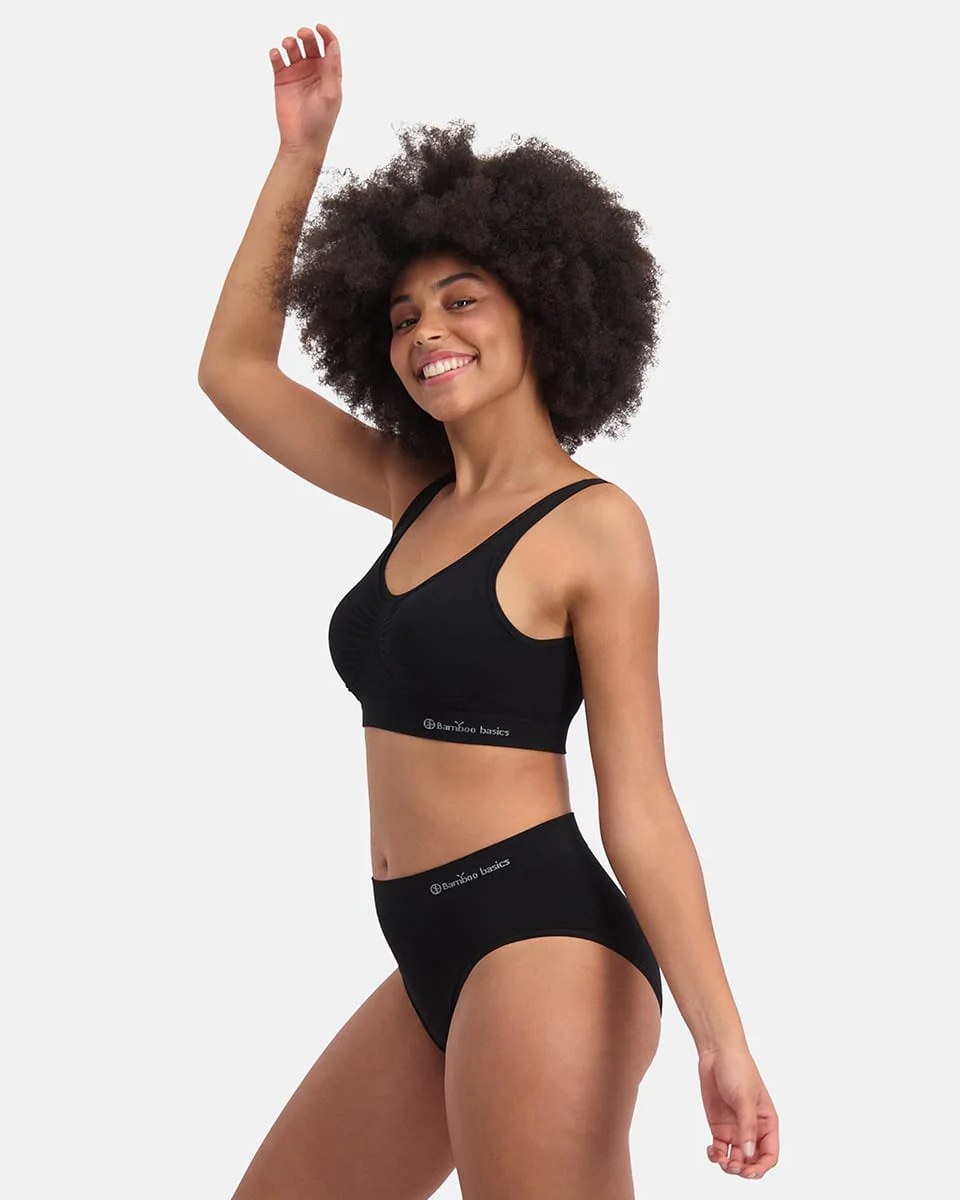
Briefs and breathability and what makes a difference
Short answer: Breathability is about moisture being able to get away from the skin. Natural fibres such as cotton and bamboo viscose move moisture out into the fabric, while dense synthetics hold on to it, and you notice this most in briefs.
What breathability means
A fabric is breathable when moisture and heat can pass through it instead of staying against the skin. It depends on both the fibre and how the fabric is knitted. A dense, smooth synthetic surface holds moisture back, while a fibre that absorbs moisture and passes it on keeps the skin drier through the day.
Why it is recommended
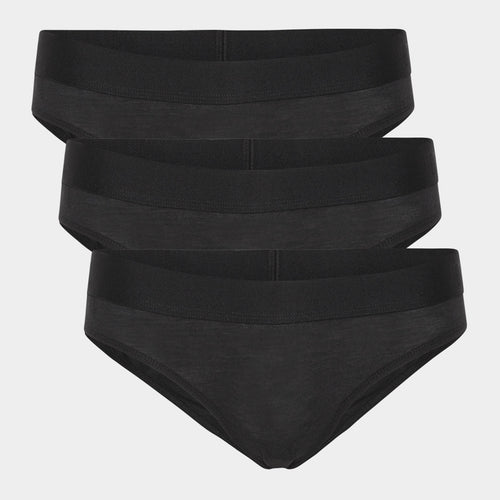
Dry skin is less prone to irritation than damp skin. That is the whole reason natural fibres are usually recommended closest to the body, and it applies especially to briefs, where the skin is thin and there is rarely much air. Bamboo viscose is soft, smooth and moves moisture away. See bamboo briefs.
The gusset matters most
Many briefs have a sewn in gusset of cotton or viscose, even when the rest is synthetic. That is the part that counts, because moisture collects there. Check the fabric label for the gusset separately if it is listed, and choose a style where it lies flat without rough seams.
Synthetics have their place
Synthetic briefs are not wrong, they just have a different job. Microfibre is thin and invisible under fitted clothes, and quick drying fabrics can be handy for exercise. For everyday wear, nights and long days, though, a natural fibre against the skin is the most comfortable choice for most people.
Fit counts too
Briefs that are too tight create friction and heat, whatever the fabric. A style that sits close without squeezing is better than a tighter one in a finer fabric. If the waistband or leg openings leave marks after a day, the size is too small. The measurements are in our guide to briefs and underwear.
At night
At night the skin can rest. Some prefer to sleep without briefs, others in a loose style in cotton or bamboo viscose. Both give more air than a tight pair from the day. If you wear briefs at night, put on a clean pair before bed rather than keeping the ones you wore all day.
Washing and changing
Change briefs every day, and more often if you have sweated or exercised. Wash them at 40 degrees with a fragrance free detergent and skip fabric softener, which coats the fibres and makes them worse at moving moisture. An extra rinse removes detergent residue that would otherwise sit against the skin all day.
With symptoms that persist
Persistent itching, burning or discharge belong with a doctor. Choice of fabric can ease things and make daily life more comfortable, but it does not treat an infection or any other cause. Talk to your doctor if symptoms last more than a few days or keep coming back. See bamboo underwear for women.
How to choose
Look at the gusset first, then the fit and finally the rest of the fabric. Soft bamboo viscose briefs with flat seams and a waistband that does not squeeze cover most everyday needs. With a few types in the drawer, you can choose by the day, such as a thin style under fitted clothes.
Frequently asked questions
Why are cotton or bamboo recommended for briefs
Because they move moisture away from the skin, and dry skin is less prone to irritation. This matters most on long days and at night.
Does the whole pair need to be a natural fibre
No. The gusset is the part that matters most, and it is often cotton or viscose even when the rest of the briefs is synthetic.
When should you see a doctor
With persistent itching, burning or discharge. A doctor should always look at it, because clothing can ease symptoms but cannot treat the cause.
See our range of bamboo panties.