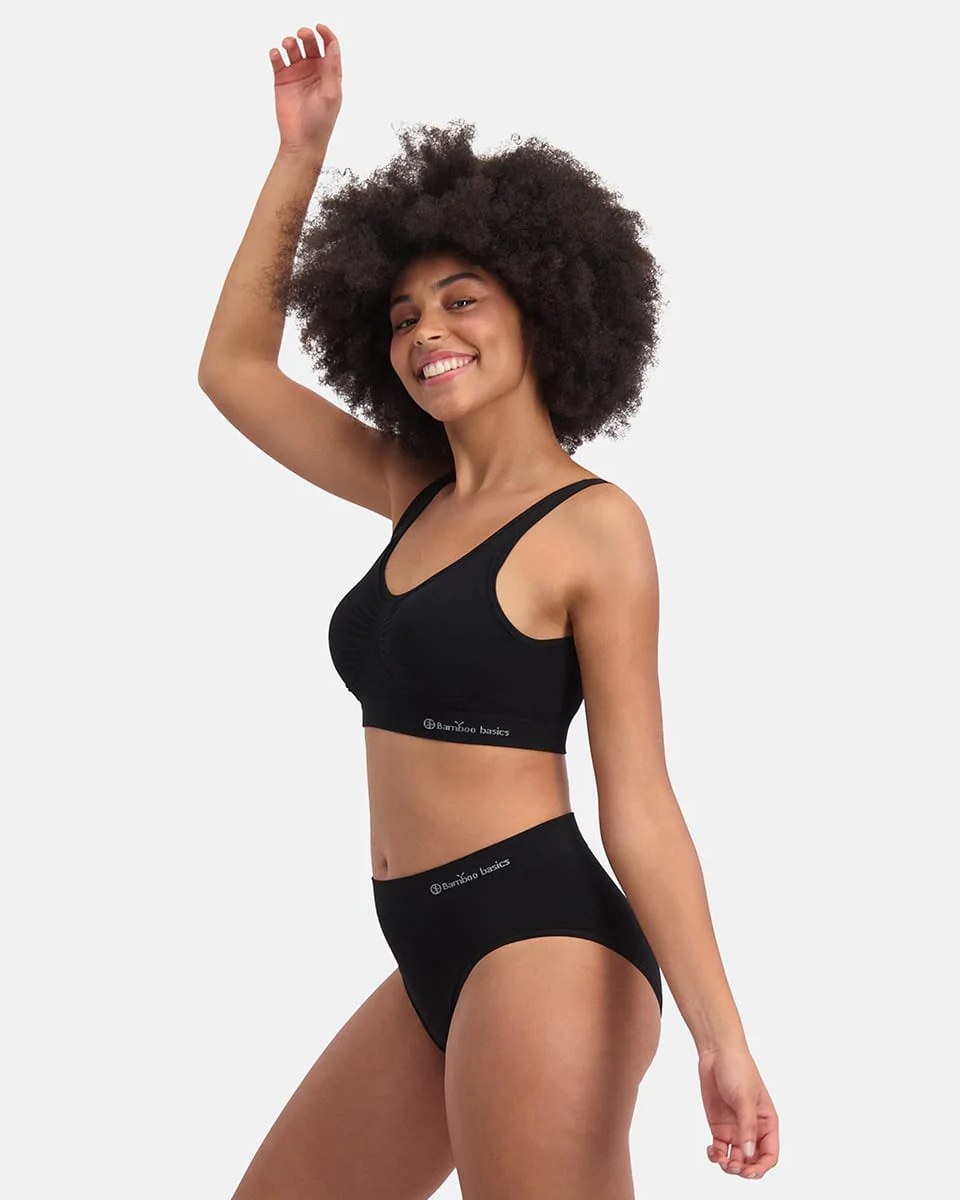
Briefs for exercise and what prevents problems
Short answer: For training, what counts is that the fabric moves moisture and that there are no seams to rub. A seamless style in a material that dries quickly solves both.
Seams rub when you move
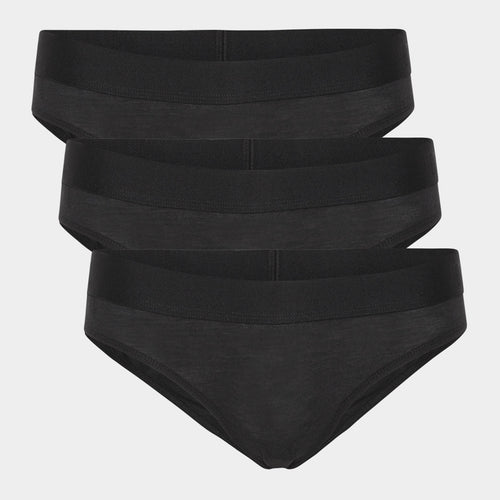
A seam that lies still all day is one thing. During repeated movement it turns into friction, because it rubs the same spot again and again. You notice it most when running, cycling and doing exercises with many repetitions. Seamless styles remove the problem, because nothing sticks out. See bamboo briefs.
Seamless as a starting point
Seamless briefs are knitted in one piece without side seams. They lie smoothly against the skin and follow the body as you move. That makes them a good starting point for training. Look for a style with a soft waistband that does not roll down when you bend, jump or lie on the mat.
Moisture away from the skin
Damp skin rubs more easily than dry skin. That is why a fabric's ability to move moisture matters more during training than in everyday life, where the skin has time to dry between movements. When you train you sweat more, and a fabric that holds moisture against the body makes friction more likely.
The material matters
Bamboo viscose absorbs moisture and feels soft against the skin. Cotton absorbs moisture too, but holds on to it longer, so it feels wet for longer after training. Synthetic sports fabrics dry fast, but some people prefer a softer material next to the skin. Try a few and notice what feels best for you.
Close fitting but not tight
For training, briefs should fit closely so they do not shift or fold as you move. They should not be so tight that the edges dig in, though. Briefs that slide around cause as much rubbing as ones with seams. Choose the size that lies smoothly without pressing.
Change straight after
It is the hour after training in damp clothes that causes most discomfort, not the training itself. Change into dry briefs as soon as you finish, or after your shower. If you go home in the same clothes, the damp briefs sit against the skin far longer than the workout lasted. See bamboo underwear for women.
Pack a spare pair
Always keep a spare pair in your gym bag. Then a dry pair is ready whether you head straight home or have somewhere else to be. It is a small habit that makes a big difference, and it costs no more than one extra pair in the drawer. In return you avoid sitting in wet clothes.
Wash without softener
Fabric softener cancels the moisture transport and makes the briefs worse at exactly what you chose them for. The film settles on the fibres so they absorb less moisture. Wash training underwear with a mild detergent, skip the softener and hang it to dry. See washing and care.
If the discomfort continues
Good briefs and steady habits solve most minor discomfort during training. If you have irritation that does not go away, or that keeps coming back, do not settle for just changing your underwear. Talk to your doctor so you get an assessment of the cause and what you can do about it.
Frequently asked questions
Which briefs are best for training?
Seamless ones in a material that moves moisture away from the skin. They fit closely without digging in and have no seams to rub as you move.
Should you change right after training?
Yes. The hour afterwards in damp clothes is when most discomfort starts, so pack a spare pair and change as soon as you can.
Can you train in cotton briefs?
Yes, but cotton holds on to moisture longer than bamboo viscose does, so it feels wet for longer after training.
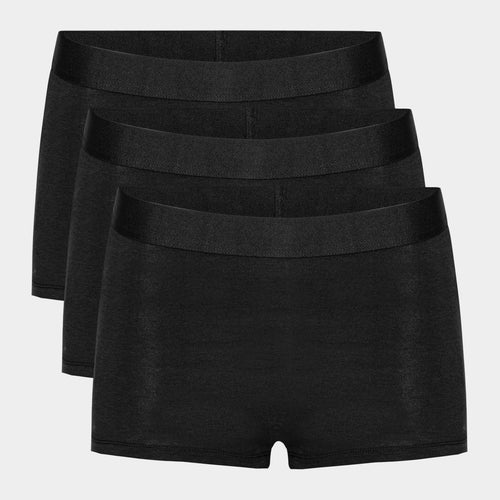
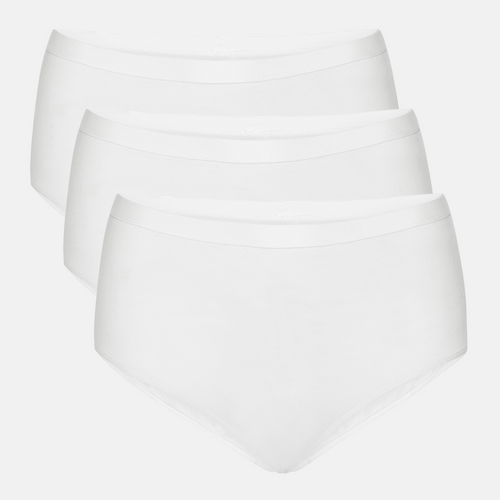
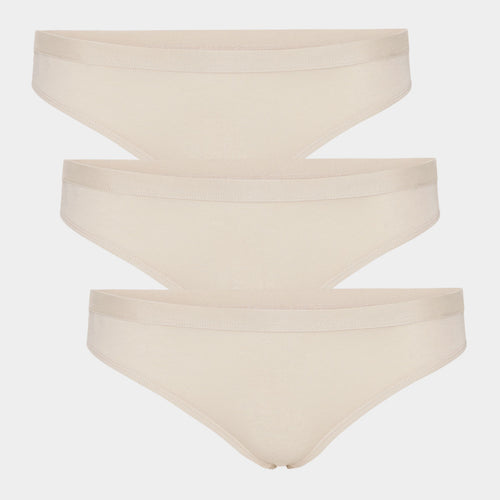
See our range of bamboo panties.