Buying fewer rather than buying differently
Short answer: The garment you do not buy weighs more than the difference between two materials. That is why the number is the first place to look, before you compare fibres, brands or prices.
The arithmetic
Buy five garments and wear two, and you have paid for five and received two. Buy two and wear both, and the cost per wear is far lower, whatever the material. The sum is simple, yet it is easy to forget when something looks like a good idea in the shop or on screen.
Cost per wear
The price of a garment says little until you know how often it gets worn. A cheap blouse worn three times can cost more per wear than a dearer one worn a hundred times. Guess how often you expect to wear something before you buy it, and be honest about the answer.
How to buy fewer
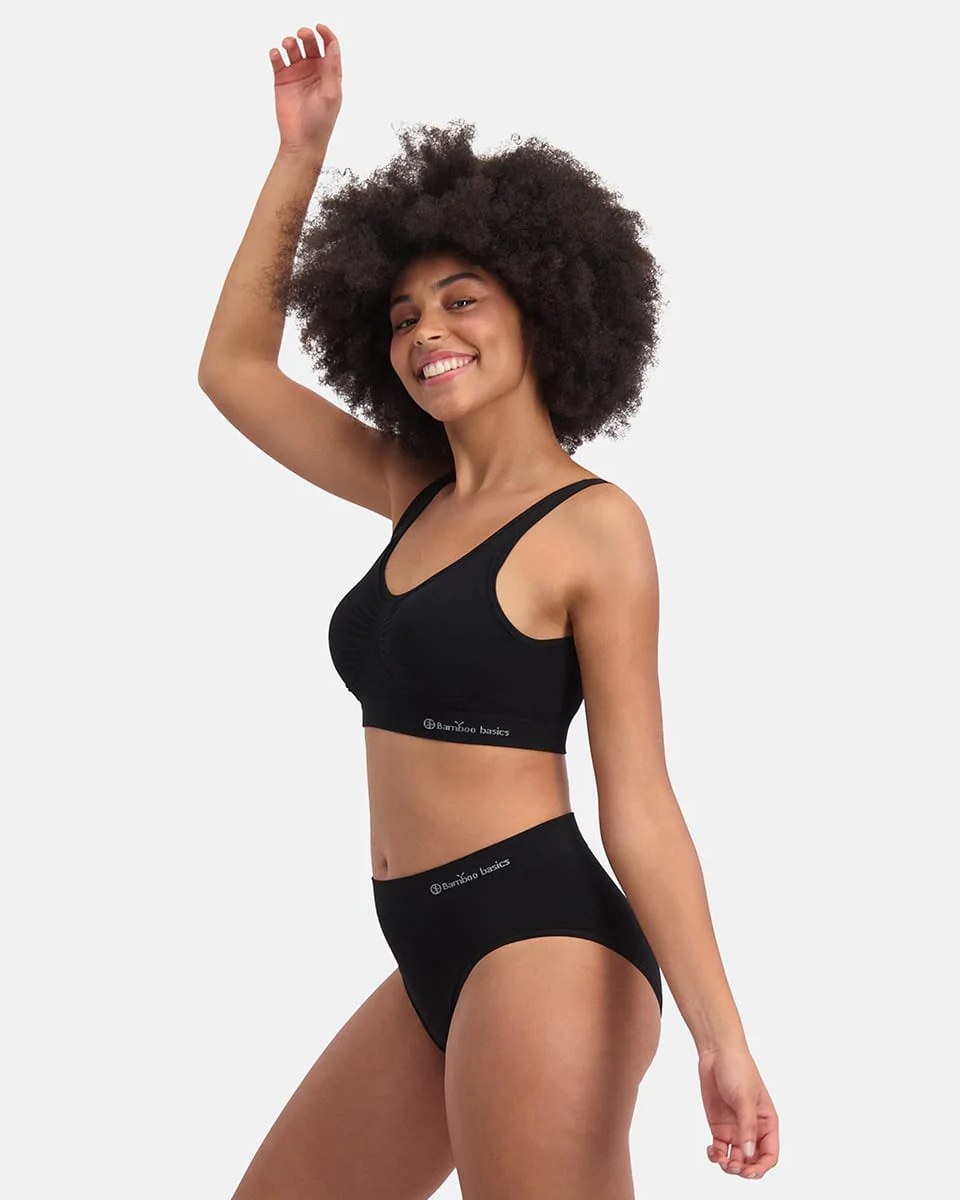
Measure before you order, buy one piece at a time, and wait two days on anything you had not planned. Three simple rules are easier to keep than one big plan. Start by looking at what you already own and what is truly missing. See bamboo loungewear for women as an example.
One piece at a time
Buy several things together and it becomes hard to judge what actually got used. Bring in one new garment, wear it for a couple of weeks and see whether it earns a place in your routine. Then you know what you really need the next time you consider something.
Wait two days
Many purchases happen in a moment of enthusiasm, and the wish often fades by itself. Put it in the basket, close the page and return after two days. If you still want it and it fits with what you own, it is a better purchase than if you had clicked at once.
What to spend the money on
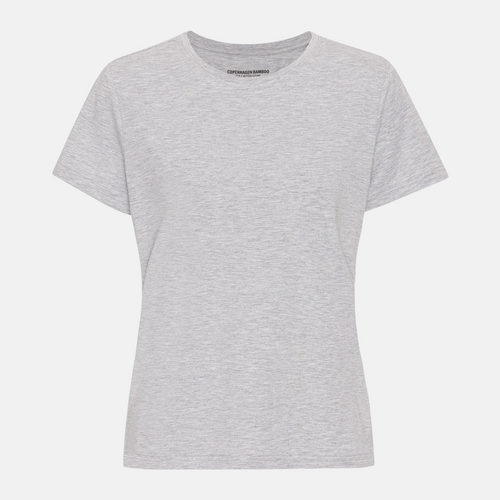
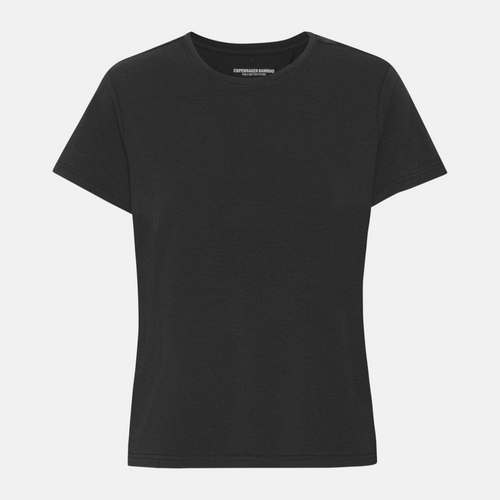
Fewer garments in a quality that lasts longer. That does not mean expensive, but that you look at stitching, fabric weight and measurements rather than slogans. Look at bamboo training clothes for women and bamboo t-shirts for women with those points in mind.
Quality over quantity
Quality is about how a garment copes with repeated washing and everyday wear, not a high price tag. Look at seams, elastic and how dense the fabric feels, and ask whether the shape will hold. A garment that still fits well after many months is a good buy, whether it was dear or cheap.
When you do need something
Clothes wear out and need replacing, and that is perfectly fine. When something has to go, choose the same item in a size that fits, or something that works for several occasions. Retire the old piece when it is worn out, not before.
A smaller wardrobe that works
Around thirty garments cover a whole wardrobe for most people. That gives an overview, less washing and quicker choices in the morning. You need not count exactly, but the figure shows that many small purchases rarely improve a wardrobe.
Frequently asked questions
Should you stop buying clothes
No. Clothes wear out and need replacing, and that is normal. The point is to buy what you actually need, wear it for a long time and avoid purchases that just sit in a drawer.
How many garments do you need
Around thirty cover a whole wardrobe for most people. The figure varies with work, climate and habits, so use it as a guide and not as a rule.
Does the material matter at all
It matters, but less than the number. How often the garment is worn and how long it lasts weigh more than the difference between two fibre types.
You can find the full range at Bamboo-Clothing.com.