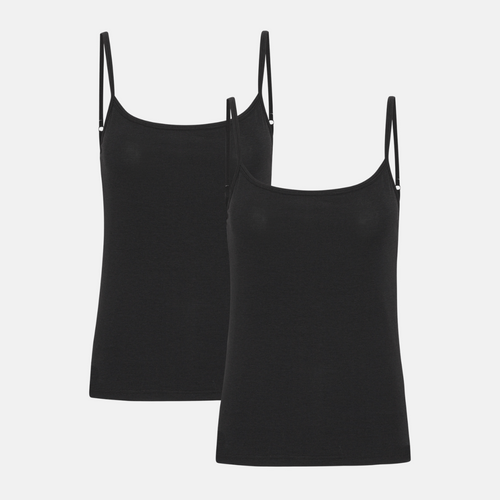
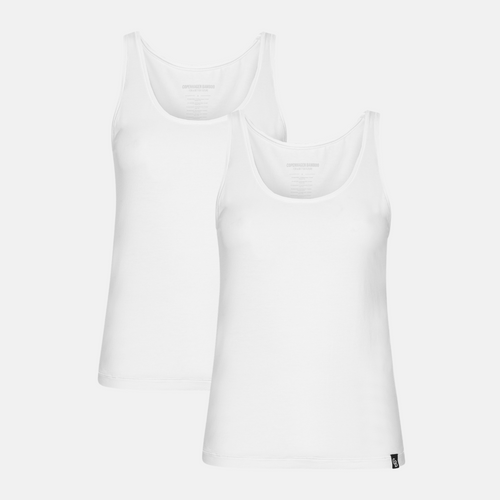
Can two brands come from the same factory
Short answer: Yes, it is quite common for two brands to come from the same factory. But the same factory does not mean the same product. Yarn, construction and quality control are decided by the brand ordering it, not by the building it is sewn in.
The factory sews to specification
A factory receives a detailed specification from the brand and sews the product to it, regardless of which other brand also orders from the same factory. The same production line can therefore deliver very different quality to two different customers on the same day.
One building, many customers
Most textile factories have several customers at once, often from different countries and price levels. That is normal practice in the industry and says nothing in itself about the quality of the individual product. See bamboo clothing for women for examples.
The yarn is the brand's own choice
The brand decides which yarn to use in production, and that is the single factor that affects final quality the most. Two brands at the same factory can therefore choose entirely different yarns for the same type of product. See bamboo t-shirt for women.
Construction follows the drawing
Cut, seam type and reinforcements are described in the drawing the brand sends to the factory. The factory follows the drawing precisely, but the level of detail in the drawing varies a lot from brand to brand and affects the end result directly.
Control level varies between customers
Two customers can order very different control of the same production line, from spot checks on every tenth piece to inspection of every single piece. Higher control reduces errors markedly, but also costs more per piece. See bamboo underwear for women.
Why control costs extra
Measuring, weighing and checking colorfastness on every piece takes time from the factory staff. That time is paid by the brand, and the cost ends up with you as the buyer, no matter which factory the item comes from.
The price reflects the requirements, not the building
Stricter requirements on yarn, construction and control cost more per garment, regardless of where it is sewn. Two items from the same factory can therefore cost very differently, because the requirements behind them are very different. See bamboo tops for women.
The factory is only one link
The factory is responsible for following the specification, but it does not itself decide on yarn or control. That responsibility lies with the brand that ordered the product and wrote down the requirements.
How to think about it
Look at yarn, seams and control as the three things that actually separate two products, instead of letting yourself be guided by where the item was physically sewn. The factory says very little about the quality of the individual item.
Frequently asked questions
Do several brands often come from the same factory?
Yes, that is common. Factories sew to the customer's specification and usually have several customers at once from different countries.
Does that mean products from the same factory are the same?
No. Yarn, construction and control level are decided by the brand that orders it, not by the factory doing the sewing.
What decides the quality of a product then?
The yarn choice first, then the construction and the control level. All three are decided by the brand that placed the order at the factory.
You can find the full range at Bamboo-Clothing.com.