Closed loop production explained
Short answer: A closed loop means the solvent is collected and reused instead of being released into nature. That is the basic difference between the lyocell process and the classic viscose process.
What a closed loop is
In a closed system, the chemicals used to dissolve the cellulose are fed back into the process again after each use. The loss along the way is small, and the release into the surroundings becomes far smaller than in an open system, where the chemicals are used only once and must then be fully cleaned or disposed of.
Why it matters for bamboo
Classic viscose production uses chemicals that must be thoroughly cleaned from the wastewater before it can be released safely after use. The lyocell process instead uses a different solvent that can be reused directly for the next round. Some manufacturers therefore make bamboo clothing using the lyocell method, precisely to keep the closed loop intact throughout the process.
What you can see on the item
If the label says bamboo lyocell, the closed process was used to make the fibre. If it instead says bamboo viscose, it is the classic process. Certifications such as OEKO-TEX certified products instead say something about the finished fabric and not about the actual manufacturing process behind the fibre.
Is lyocell always better
On the solvent itself, the answer is yes, because less chemistry escapes into nature along the way. But energy use, transport and the actual cultivation of the raw material also count toward the overall environmental sum. A closed loop therefore solves only one part of the whole production process, not the entire picture at once.
Can you feel a difference in the fabric
Rarely in everyday use. Lyocell is somewhat stronger when wet, because the threads hold together better during the washing process itself. But the feel against the skin is very close to ordinary bamboo viscose, and most people would not notice a difference without checking the label or care instructions closely.
Why the process costs more
The lyocell process usually needs more equipment to collect and clean the solvent before it can be sent back into the loop again. That makes production more expensive per kilo of fibre compared with the classic method. The price difference is therefore often felt in the finished clothing, even though the fibre itself feels and behaves almost the same.
How to spot a closed loop in practice
Look for the word lyocell in the material list or on the item's own label, since that is the best indication that a closed loop was used in manufacturing. Manufacturers who use the method often mention it specifically, because it represents an investment they are keen to tell interested customers about.
Connection to other certifications
A closed loop says something about the dissolving process itself, while other marks tell you about other parts of production. See FSC certified products for information on forestry and raw materials, and OEKO-TEX certified products for the finished fabric's content of harmful substances.
Where it is used in bamboo clothing
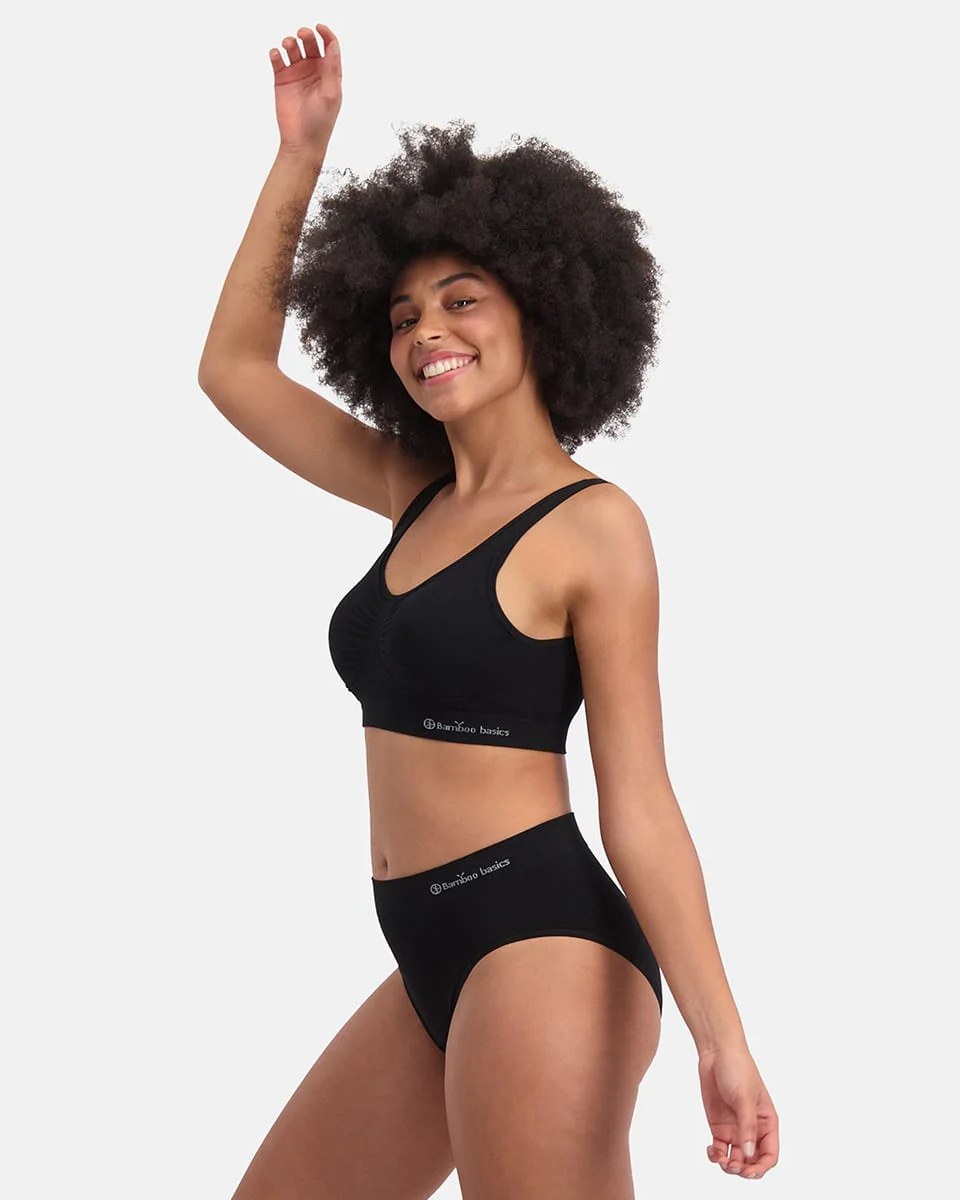
Both lyocell and classic viscose are used in bamboo clothing for women, depending on which manufacturer and factory the item comes from. See bamboo clothing for women, where you can check the product description to see which process lies behind the fibre in that particular garment.
Frequently asked questions
Frequently asked questions
Is lyocell always better for the environment
On the solvent, yes. Energy, transport and cultivation of the raw material also count toward the overall sum and can pull in a different direction.
Can you see a difference in the fabric
Rarely. Lyocell is somewhat stronger when wet, but the feel against the skin is very close to ordinary bamboo viscose in everyday use.
Does lyocell cost more to produce
Usually yes, because the process needs more equipment to collect and clean the solvent. That often shows up in the price of the finished clothing.
You can find the full range at Bamboo-Clothing.com.