Clothes that are easy to put on and take off with arthritis
Short answer: With arthritis in the hands or shoulders, it is buttons, tight sleeves and small fastenings that make dressing hard. Stretchy clothing without fastenings is the simplest solution for most people.
Stretch instead of fastenings
A stretchy fabric can be pulled on without buttons and zips, and it takes less strength in the fingers. Bamboo viscose stretches and glides easily over the skin, so clothing does not catch on the way up the arms. That makes mornings easier, especially on days when the joints are stiff and sore.
Wide sleeves and necklines
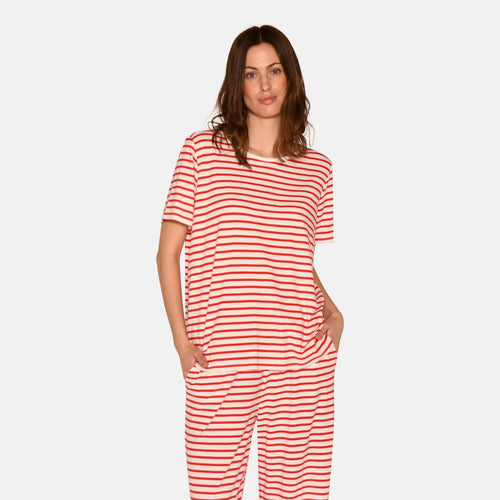
A top with a round neck and wide armholes is easier to get into than a close fitting one. You do not need to lift your arm as high, and the shoulder does not have to twist to find the sleeve. See bamboo t-shirt for women and consider a size with a little extra room.
Trousers with a soft waist
An elastic waist removes the need for a button and zip entirely. Soft trousers can be pulled up with the palms instead of the fingers. Choose a wide waistband that does not roll. See bamboo sweatpants for women and bamboo sweatpants for men for styles with a wide waistband.
Bra without hooks
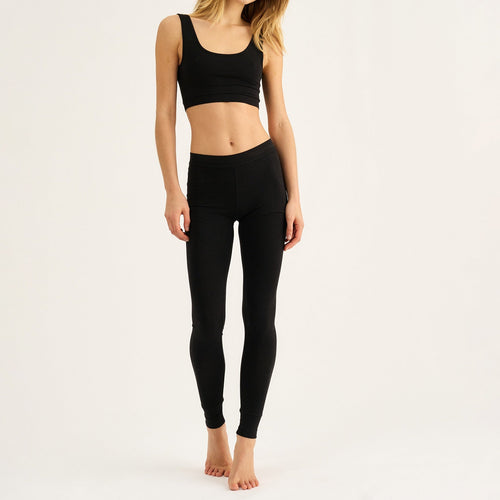
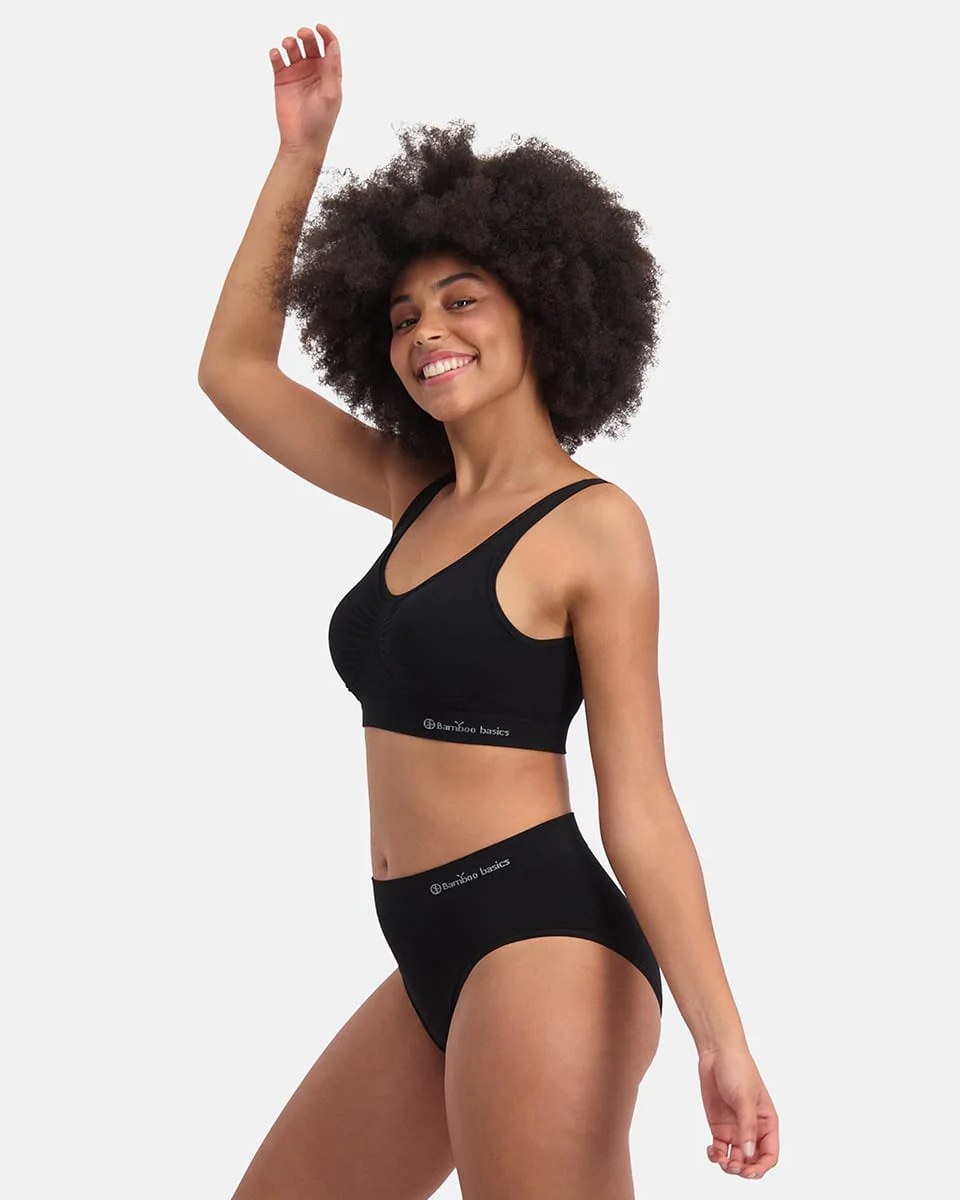
Hooks at the back need fine motor skills and an arm that can reach behind you. Styles that go over the head need neither. The fabric should give enough that the bra comes off without twisting the shoulders. Read more about this style in bra without hooks.
Socks
Socks with a soft cuff are easier to pull on than tight ones, because the cuff does not have to be stretched with the fingers. A sock aid can also help if bending down is hard. Choose socks in a fabric that slides easily over the heel. Read more in socks without elastic.
Loungewear all day
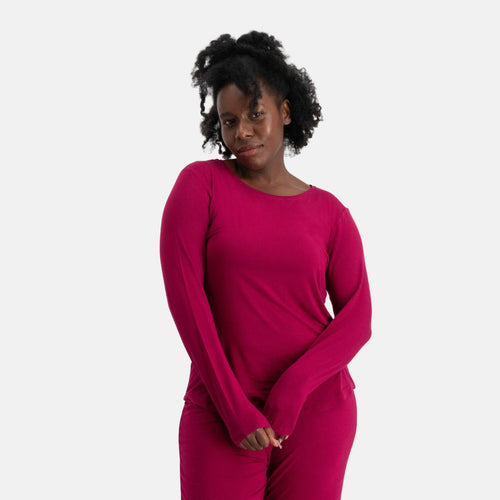
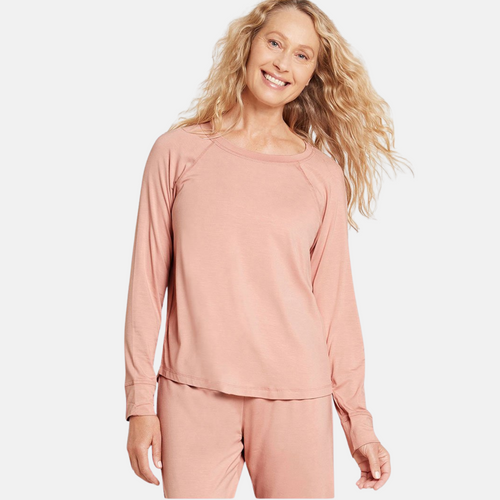
When clothes are worn for many hours, softness and fit matter more than cut and detail. A set where both trousers and top go on without fastenings makes the whole day easier. See bamboo loungewear for women for sets that work at home and on short trips out.
Change one thing at a time
Start with whatever is hardest in the morning. For most people that is the bra and socks, because they ask the most of fingers and shoulders. Once the first item is replaced, you can see what causes trouble next and go from there, instead of buying everything at once.
Sit down to dress
Many find it easier to dress sitting down, because they do not have to keep their balance while the arms are working. Lay the clothes out in the order they go on, and put on trousers and socks first while sitting on the edge of the bed or a chair with armrests.
Washing that keeps clothes soft
Clothes that have gone stiff after many washes are harder to pull on. Wash at 40 degrees, skip fabric softener because it coats the fibres, and let the clothes air dry. That keeps the fabric soft and stretchy, and the elastic lasts longer before it loses its shape.
Talk to an occupational therapist
Clothing can make dressing easier, but it does not replace treatment or aids. If you struggle to dress on your own, talk to your doctor or an occupational therapist. They can show techniques and aids that suit your joints and your daily life.
Frequently asked questions
Which items are hardest to put on?
For most people, the bra and socks. Both need fine motor skills and movement in the shoulders or back. A bra without hooks and socks with a soft cuff are therefore often the first things replaced.
Why is stretchy fabric easier?
A stretchy fabric can be pulled on without buttons or zips and gives when your arm goes into the sleeve. It takes less strength in the fingers and less movement in the shoulders.
What if dressing is still hard?
Talk to your doctor or an occupational therapist. They can show techniques and aids, such as a sock aid or a button hook, that make it easier to dress yourself.
You can find the full range at Bamboo-Clothing.com.