Clothing for a cold home and what helps indoors
Short answer: Short answer: Indoor cold is felt most in the feet, hands and lower back. A layer on the legs and a proper pair of socks do more than a thicker sweater.
The feet come first
Cold feet are the most common reason for feeling cold indoors, even when the rest of the home is warm enough. Soft socks without a tight elastic around the ankle are therefore a good first step toward feeling warm. Check out all bamboo socks for women for everyday wear at home.
The lower back is a cold bridge
A short sweater leaves the lower back exposed when you sit down, and that is often where cold air gets in. A longer layer covers the whole back even while sitting and keeps the cold from reaching it. Check out bamboo underwear for women with a longer cut.
Layers on the legs
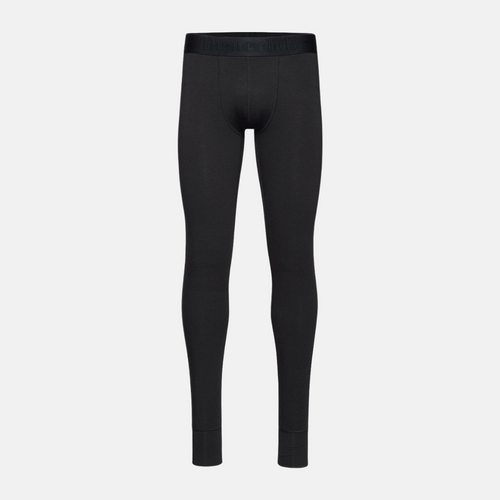
Most people add several layers on the upper body and forget the legs entirely, even though the legs are often just as cold. A thin layer under the trousers therefore often does more for the feeling of warmth than yet another sweater. Check out the bamboo long john as a discreet extra layer.
Something you can take off
Indoors, the temperature varies between rooms, and a kitchen can feel warmer than a living room further from the heat source. A zip sweater can therefore be adjusted through the day, instead of you feeling cold in one room and warm in another. Check out sweatshirts with a zip for the flexible option.
Dryness over thickness
A damp foot or back gets cold no matter how many layers you wear, because moisture draws heat away from the skin. A material that keeps the skin dry is therefore often more important than the thickness of the fabric itself. Change into dry clothing as soon as you notice moisture, instead of waiting until it feels uncomfortable. Check out washing and care for tips on making wool socks and underwear last longest.
Hands and sleeves
Cold hands often come from sleeves that are too short, leaving a gap between sweater and glove. A sleeve that reaches all the way over the wrist keeps more warmth in than a thick sweater with short sleeves. Choose a layer with slightly longer sleeves for the coldest rooms in the home.
The layer against the skin
The layer closest to the skin matters more for the feeling of cold than the outer layer, because that is where the body loses heat first. A thin, close fitting layer underneath holds warmth better than a loose sweater alone. Think of it as insulation, not decoration under the other layers.
Cold floors
A cold floor draws heat out of the feet even through socks, especially on tiled floors in the kitchen and bathroom. Thicker socks or slippers with a sole make a noticeable difference in those parts of the home. Also consider a rug in the spots where you stand still for longer periods.
Sleeping warm at night
Cold at night disturbs sleep even under a duvet, because cold feet and hands keep the body awake. Thin socks or an extra layer at night can make more difference than a thicker duvet. Try it for a single night before investing in more bedding.
Frequently asked questions
Where is indoor cold felt the most?
Mostly in the feet, hands and lower back. The feet are often the most important place to start, since cold feet keep the whole body from feeling warm.
Does a thicker sweater help against indoor cold?
Less than you might think. A layer on the legs and a proper pair of socks usually do more for comfort than yet another thick sweater on top.
Why is the lower back important to cover?
Because a short sweater leaves the lower back exposed while sitting, and that is where cold air gets in. A longer layer keeps the warmth in while seated.
You can find the full range at Bamboo-Clothing.com.