Clothing for a day of cleaning
Short answer: You move a lot, get warm and come into contact with cleaning agents over the course of the day. Choose something with stretch that handles a hot wash and a stain from a product.
Movement goes in every direction
Cleaning requires reaching and bending movements in turn, often within a few minutes of each other. Shoulders and knees stretch in ways ordinary clothes are rarely made for. An elastic material follows the movement whether you are dusting or washing the floor. See bamboo t-shirt for women.
Cleaning products bleach fabric permanently
A single drop of chlorine leaves a light mark that cannot be removed afterwards, no matter how fast you rinse it. Choose clothes you would not mind losing, ideally in a colour where marks show up less right away. See bamboo clothing for women.
You get warmer than expected
Cleaning is more physical work than most people account for, and the body heats up quickly during vacuuming and scrubbing. A thin layer that moves moisture away from the skin is enough for most tasks around the home. See bamboo underwear for women.
Clothes need to handle a hot wash
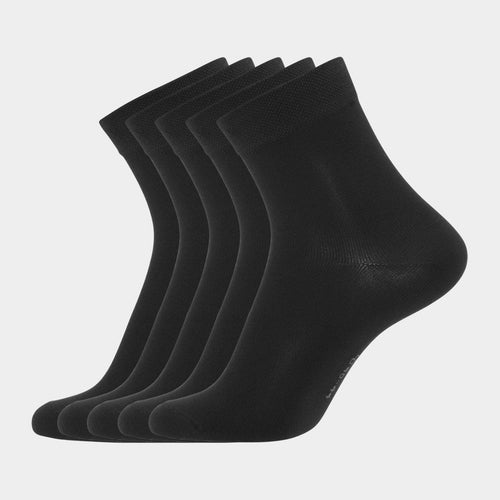
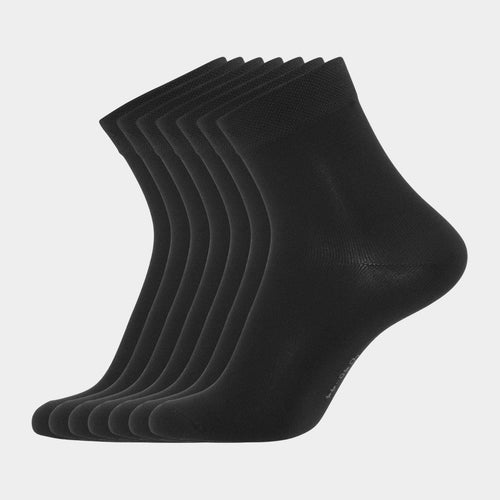
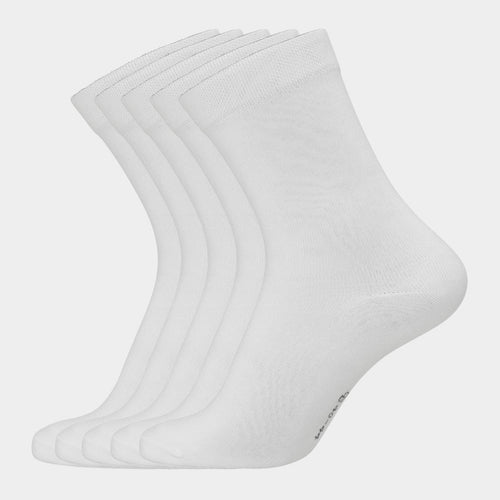
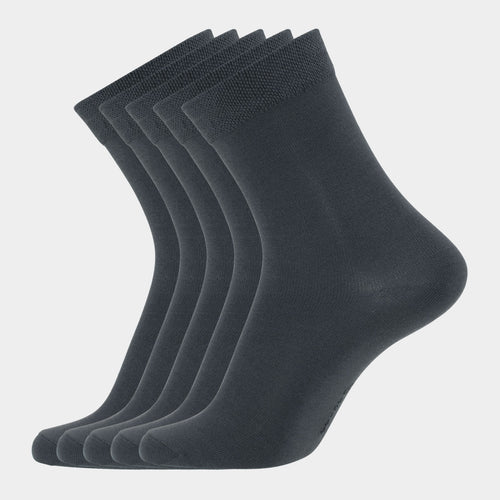
Cleaning clothes collect sweat, dust and traces of products, so they should be washed at around forty degrees after each use. A material that keeps its shape through repeated hot washes saves you from replacing it often. See bamboo socks for women.
Knees take strain from washing floors
Washing a floor by hand means kneeling down and standing up repeatedly, often across several rooms in a row. Trousers with stretch at the knee give more freedom of movement and less resistance than stiff fabric when you work close to the floor.
Arms reach further than usual
Windows, shelves and the tops of cupboards require you to reach further than you normally would in everyday life. Sleeves that do not squeeze at the shoulder make that movement easier to repeat without the fabric riding up and exposing your midriff.
The smell from products clings to fabric
Cleaning products leave a sharp smell that can linger for hours, even after you are done. A material that airs out quickly and does not hold onto smells makes it easier to switch back into everyday clothes afterwards.
Breaks rarely turn into a change of clothes
Most people clean in one stretch without stopping to change clothes along the way, even when the task drags on. What you start in is usually what you wear until the last room is finished.
Washing waits after the cleaning is done
Cleaning clothes usually need washing the same day, or sweat and products settle into the fibres. A material that handles frequent hot washing without wearing out quickly lasts longer than ordinary everyday clothes for the same job.
Frequently asked questions
What should you wear when cleaning?
Something with stretch that handles a hot wash. Do not choose anything you would mind staining, since chlorine and similar products can permanently bleach fabric.
What do you do about chlorine splashes on clothes?
Not much. Chlorine removes colour permanently from most fabrics. That is why you should avoid clothes you care about when handling chlorine-based products.
Why does cleaning make you warm?
Because it is physical work with many movements in a row. A thin layer that moves moisture away from the skin is usually enough for most tasks.
You can find the full range at Bamboo-Clothing.com.