Clothing for a long walk in everyday life
Short answer: One to two hours at a moderate pace means less sweat than running, but more than sitting still. A single adjustable layer covers most of the year without trouble.
The pace sits right in the middle
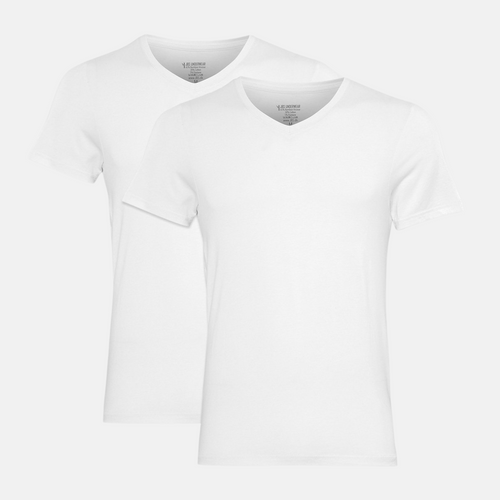
Brisk walking warms the body without soaking it, the way a run often does over the same distance. Your pulse rises steadily rather than in bursts, and sweat builds gradually rather than suddenly. That makes choosing layers easier than for hard training. See bamboo t-shirts for men.
A layer you can open along the way
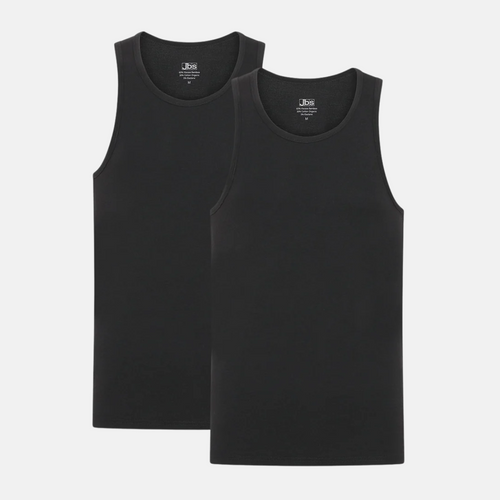
If you can open the outer layer halfway through without stopping, you avoid carrying excess warmth for the rest of the walk. A zip or buttons at the front let you adjust without removing clothing completely on the street. See bamboo clothing for men.
Socks decide comfort over the long run
Ten kilometres at walking pace adds up to many thousand steps, and friction inside the sock becomes noticeable before you realise it yourself. A material without rough seams lowers the risk of blisters on a walk lasting over an hour. See bamboo socks for men.
Wind on the way home feels colder
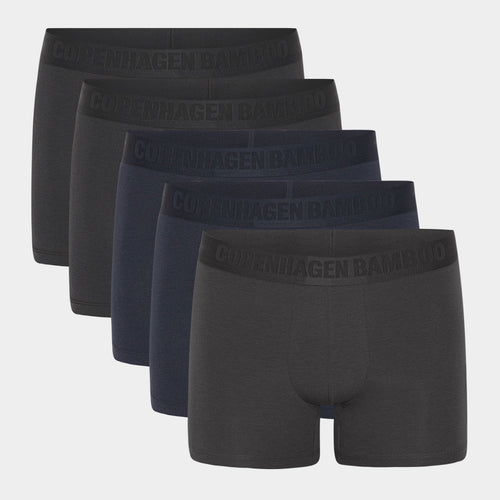
If you are slightly damp after the outbound leg, wind cools you more effectively on the way back than it did earlier. This is especially true if you turn and walk straight into it. A quick-drying inner layer cuts down that extra chill noticeably. See bamboo underwear for men.
The surface changes the strain on your legs
Asphalt, gravel and forest paths load the body differently, even at the same distance and pace. Soft ground cushions impact but demands more balance, while pavement gives a more even but harder strain throughout the walk.
The season changes where sweat builds up
In summer you sweat evenly across the body, while winter cold often concentrates moisture around the neck and back under the outer layer. A breathable material handles both situations better than a dense, sealed fabric.
Breaks along the way cool you fast
Stop to check your phone or wait at a crossing, and body temperature drops faster than expected after warming up. A light layer to put on during the break stops you getting cold for the final minutes of the walk.
Rhythm matters more than pace itself
A steady walking rhythm without sudden stops keeps the body warm the whole way, even at a slower pace than usual. Switching between fast and slow walking causes more temperature swings than the speed alone ever does.
After the walk, temperature drops fast
As soon as you stop, the body stops producing the same warmth, and cold sets in within a few minutes. An extra layer in your bag for the way home, or a short break, makes the transition more comfortable.
Frequently asked questions
What should you wear for a long walk?
A single adjustable layer. The pace of brisk walking means less sweat than running, but more than sitting still for the same length of time.
Why do socks matter on long walks?
Because ten kilometres at walking pace adds up to many thousand steps. Friction inside the sock becomes noticeable over time, especially with rough or stiff seams.
Why do you feel colder on the way home?
Because clothing is slightly damp after the outbound leg, so wind cools you more effectively than it did earlier. A quick-drying inner layer reduces that effect.
You can find the full range at Bamboo-Clothing.com.