Clothing for a mild winter
Short answer: A mild Danish winter often means temperatures just above freezing, damp air and changeable weather. You need clothing that copes with raw air outdoors and warm rooms indoors, without leaving you sweaty or cold.
What a mild winter means in Denmark
Denmark has a coastal climate, where the surrounding sea keeps winters relatively mild. On many winter days the temperature sits somewhere between zero and five degrees, and rain is just as common as snow. The air is damp, and wind from the west can make it feel colder than the thermometer suggests. The main challenge is therefore rarely hard frost, but rather moisture and a raw chill that seeps through your clothes. Your clothing has to keep you dry and warm at the same time.
Layers rather than one thick coat
When the weather changes from hour to hour, several thin layers are more flexible than a single thick coat. Closest to the skin sits a layer that fits snugly and moves moisture away. Over that comes a mid layer that holds in warmth, and on the outside a jacket that handles wind and rain. On a mild day you can take off the mid layer when you go indoors, so you avoid sweating in a heavy coat in a warm shop or on the bus.
Soft clothing for everyday life indoors
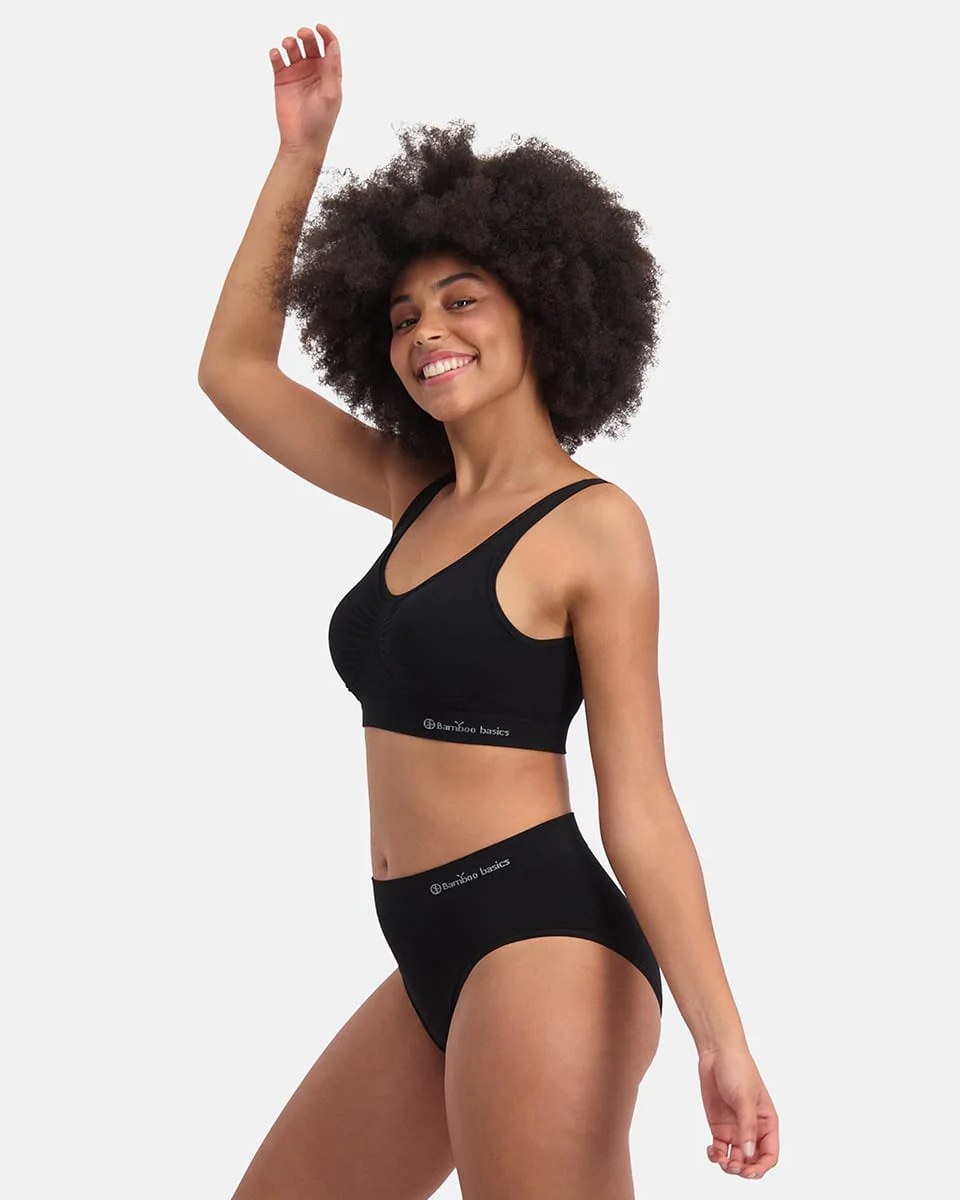
A large part of winter is spent indoors, where the heating is on. Here it is pleasant to wear clothing that is soft and not too warm. Viscose made from bamboo is a smooth fibre that feels cool against the skin and can also absorb moisture. A bamboo jogging suit for women works well on days at home when you want to sit comfortably without overheating. With a cardigan or a blanket on top, you can easily adjust to the temperature of the room.
Your feet in damp weather
Moisture from wet pavements and shoes can quickly make your feet cold, even when the temperature is not particularly low. Socks that absorb moisture and dry reasonably quickly make a real difference. Inside shoes or around the house, short socks are practical, and bamboo footies for women can be worn in low shoes or as a thin layer under a thicker sock. Change your socks if they get wet, because wet feet turn cold quickly, however warm the rest of your outfit is.
A smooth layer under dresses and skirts
Many people wear dresses and skirts all winter with tights underneath. A smooth layer between the dress and the tights stops the fabric from clinging and adds a little extra warmth. A bamboo slip lies softly against the body and helps the dress hang neatly. It is a small detail, but on damp days, when static and clinging fabric can be a nuisance, the difference is noticeable. The slip can be washed together with your other underwear.
Caring for your clothes in the winter months
In winter, laundry dries more slowly, and many people dry clothes indoors. Bamboo viscose does best with a gentle wash at 30 to 40 degrees and drying on a hanger or rack. Avoid hanging it directly on a hot radiator, as strong heat can make the fibres shrink and stiffen. Turn garments inside out before washing and use a mild detergent without bleach. That way your clothes keep their softness and shape throughout the whole season.
Frequently asked questions
How many layers should I wear on a mild winter day
Three layers is a good rule of thumb: a base layer against the skin, a warming mid layer and a jacket that keeps out wind and rain. Remove the mid layer indoors.
Is bamboo clothing warm enough in winter
Bamboo viscose works best as a base layer or for wearing indoors. Outdoors it should be combined with a warm mid layer and a proper jacket.
How do I keep my feet dry in the rain
Wear shoes that can handle water and socks that absorb moisture. Bring a spare pair of socks if you will be outside for a long time.
You can find the full range at Bamboo-Clothing.com.