Clothing for cycling to work without changing
Short answer: Choose a layer you can remove on arrival, and let the base layer move the moisture. The ride takes twenty minutes, but moisture stays in the clothing the rest of the day if it is not moved away.
The base layer decides the rest of the day
If the base layer is damp on arrival, it stays damp until lunch, because a wet fabric close to the skin dries slowly under a shirt layer. A material that moves moisture quickly away from the body solves that problem before you even reach the office. That is the difference between a dry and a clammy morning. See bamboo underwear for men.
The outer layer comes off right away
A layer you can remove on arrival stops the warming up before you sweat unnecessarily much once the ride itself is over. Many keep the outer layer on too long at the desk and only notice later how warm they actually got. Take it off as soon as you sit down. See bamboo clothing for men.
The back against the bag gets warmest
A backpack shuts the air out exactly where you sweat the most, whether you cycle at a slow or fast pace on the way in. That area often stays damp long after the rest of the body has dried out again. A breathable fabric under the bag reduces that difference. See bamboo t shirt for men.
The feet get cold in headwind
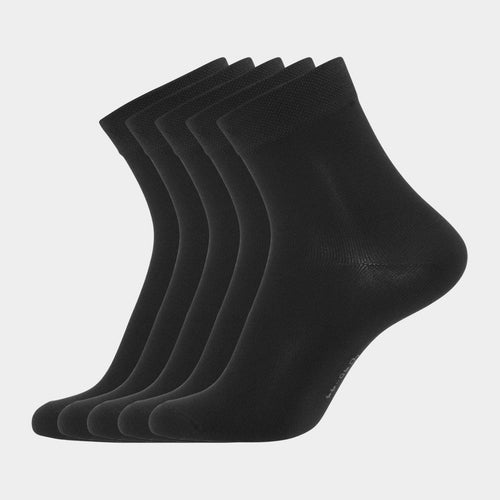
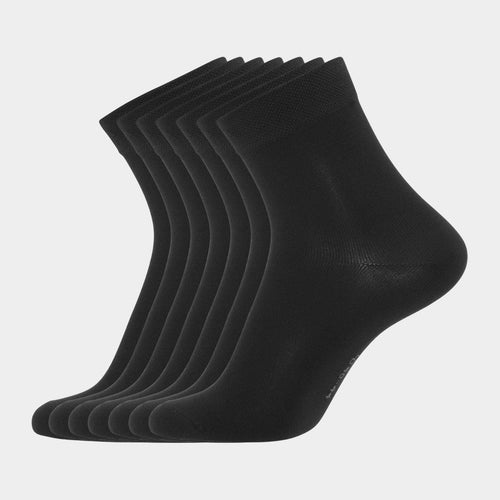
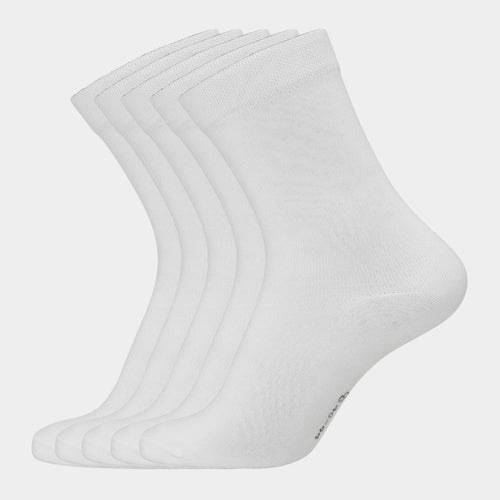
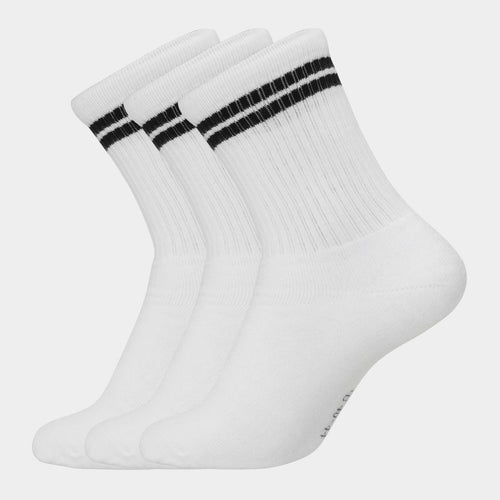
Wind on the shoes cools more than the air temperature suggests, especially on long straight stretches without shelter from buildings or trees. The feet feel it first, since they sit furthest from the body's own heat production during the ride. Socks that cover the ankle hold warmth better. See bamboo socks for men.
Trousers need to roll up easily
Many cyclists roll one trouser leg up to avoid contact with the chain, a habit that becomes quick and easy once the fabric is not too stiff. A light material that does not crease unnecessarily makes it simple to roll the trousers back down at the office.
Rainy weather changes the whole ride
In wet weather even a short commute becomes a damp affair, where the outer layer needs to keep the worst of it out along the way. A fast drying base layer under the rain gear means you can still feel dry even when the outside is soaked through.
Summer months need fewer layers
In summer, heat rather than cold is usually the problem, and a single light layer is enough for the whole trip there and back. A fabric that does not hold onto odour matters extra when you sit close to colleagues for the rest of the day.
An electric bike changes how much you sweat
With an electric bike you sweat less than on an ordinary bike, since the motor takes on part of the work on the hardest stretches. Even so, the pulse still rises on hills and at traffic lights, so a moisture moving layer still makes a difference.
The afternoon ride home is different
In the afternoon the temperature is often different from the morning, and a layer that worked fine on the way in can feel wrong on the way home. It is worth keeping an extra thin layer in your bag for that difference.
Frequently asked questions
Can you cycle to work without changing clothes?
Yes, if the base layer moves moisture away and you remove the outer layer straight away on arrival, so the warming up stops quickly.
Why does the back get the wettest?
Because the backpack shuts the air out exactly there. Moisture cannot evaporate and stays damp long after the rest has dried out.
What about the feet in winter?
Wind on the shoes cools more than the temperature suggests. Choose socks that cover the ankle and hold warmth better along the way.
You can find the full range at Bamboo-Clothing.com.