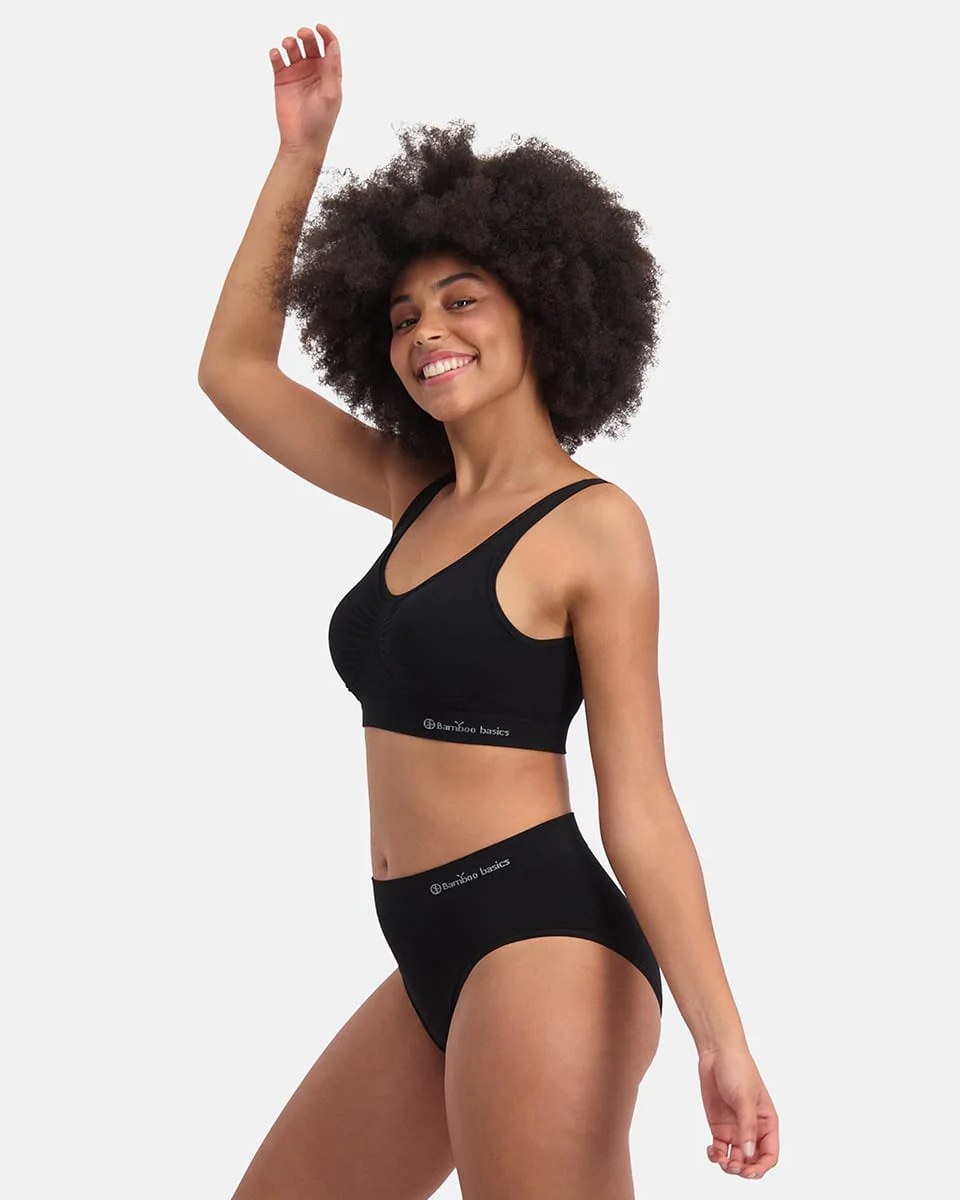
Clothing for farm work through the year
Short answer: Farm work switches from frost to warm greenhouses on the same day. A thin inner layer that moves moisture is the only thing that works well at both extremes, whatever the outer layer happens to be.
The outer layer changes, the inner stays
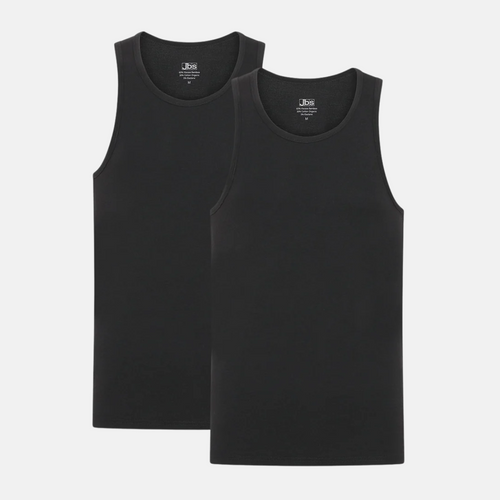
Outerwear changes with the weather all year round, from a coat to a light jacket and back again. The inner layer stays the same all year, and that is where comfort on a working day is really decided. See bamboo undershirt for men , and keep the same inner layer no matter what the outer layer becomes.
Dust and straw in the fabric
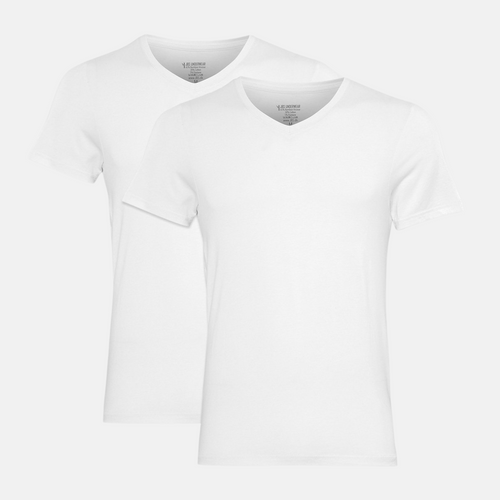
Dust settles into fibres and acts like an abrasive over time if it is not removed. Shake clothes out thoroughly outdoors before they go into the wash. See bamboo t shirts for men , and avoid stuffing dusty clothes straight into the laundry basket.
Feet in rubber boots all day
Rubber boots trap all moisture around the foot for hours without letting anything out. Change socks midday on long shifts so feet get a dry start to the second half. See bamboo socks for men , and always keep a spare pair in your pocket during winter.
A change of clothes at the door
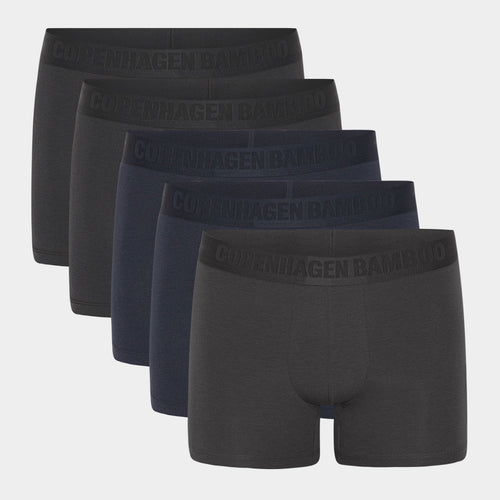
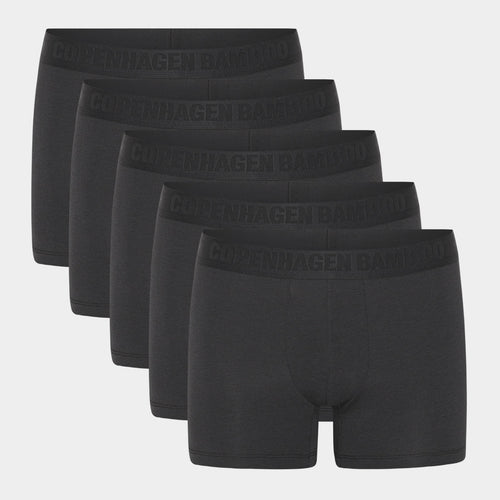
A set of clean clothes hanging at the door means the working day really ends there. Clothes that have been in the barn stay where they belong instead of following you inside. See bamboo underwear for men , and change as soon as you come in from the day's work.
Temperature gaps between shed and field
Greenhouses and machine sheds can run twenty degrees warmer than the field outside on the same morning. A thin inner layer copes with both extremes better than one thick layer that only suits one of them. Plan clothing around the day's route, not just the morning temperature at the door.
The season's shifting demands
Spring brings rain and mud, while summer brings sun and dust on the very same fields. The inner layer can stay the same while the outer layer and footwear follow the season's shifting demands. That makes shopping simpler when only one layer needs to vary by season.
Washing work clothes with soil
Soil and fertiliser call for a pre wash or an extra rinse before clothes join the regular load. Wash at the recommended temperature instead of always choosing the hottest setting available. That protects both fibres and waistband in the inner layer over a whole season.
Long days and few changes
During harvest, days grow long and there is rarely time for several changes of clothes out in the field. An inner layer that lasts all day without discomfort saves time that would otherwise go to changing. Prioritise that over extra layers that get taken off again anyway.
Storage between seasons
Clean, dry work clothes last longer when stored properly between the busy seasons on a farm. Avoid packing damp clothes together with dry ones, since that can develop odour over time. A couple of hours of air drying before storage makes a noticeable difference.
Frequently asked questions
Frequently asked questions
What should be worn closest to the skin on a farm?
A thin layer that moves moisture away from the skin. Cotton turns wet and cold once work pauses and the body starts cooling down.
How often should socks be changed?
At least daily as a starting point. On long days in rubber boots it is a good idea to also change at midday.
How do you wash work clothes with dust on them?
Shake them out outdoors first, before they go into the machine. Dust that goes straight into the machine wears down both clothes and the machine over time.
You can find the full range at Bamboo-Clothing.com.