Clothing for midwives on long shifts
Short answer: A long shift on a labour ward calls for clothing that breathes, stays put and survives frequent washing. The most important part sits under the uniform: layers next to the skin, good socks and underwear that lasts the whole shift.
The shift is long and unpredictable
A midwife stands, walks, crouches and leans forward for hours, often in warm rooms and with sudden switches between calm and rush. The uniform is usually provided by the employer, but what goes underneath is your own choice. That is where it makes sense to think about clothing that does not pinch, does not itch and does not turn clammy when the body moves between feeling cold and sweating several times during one night.
A soft layer under the uniform
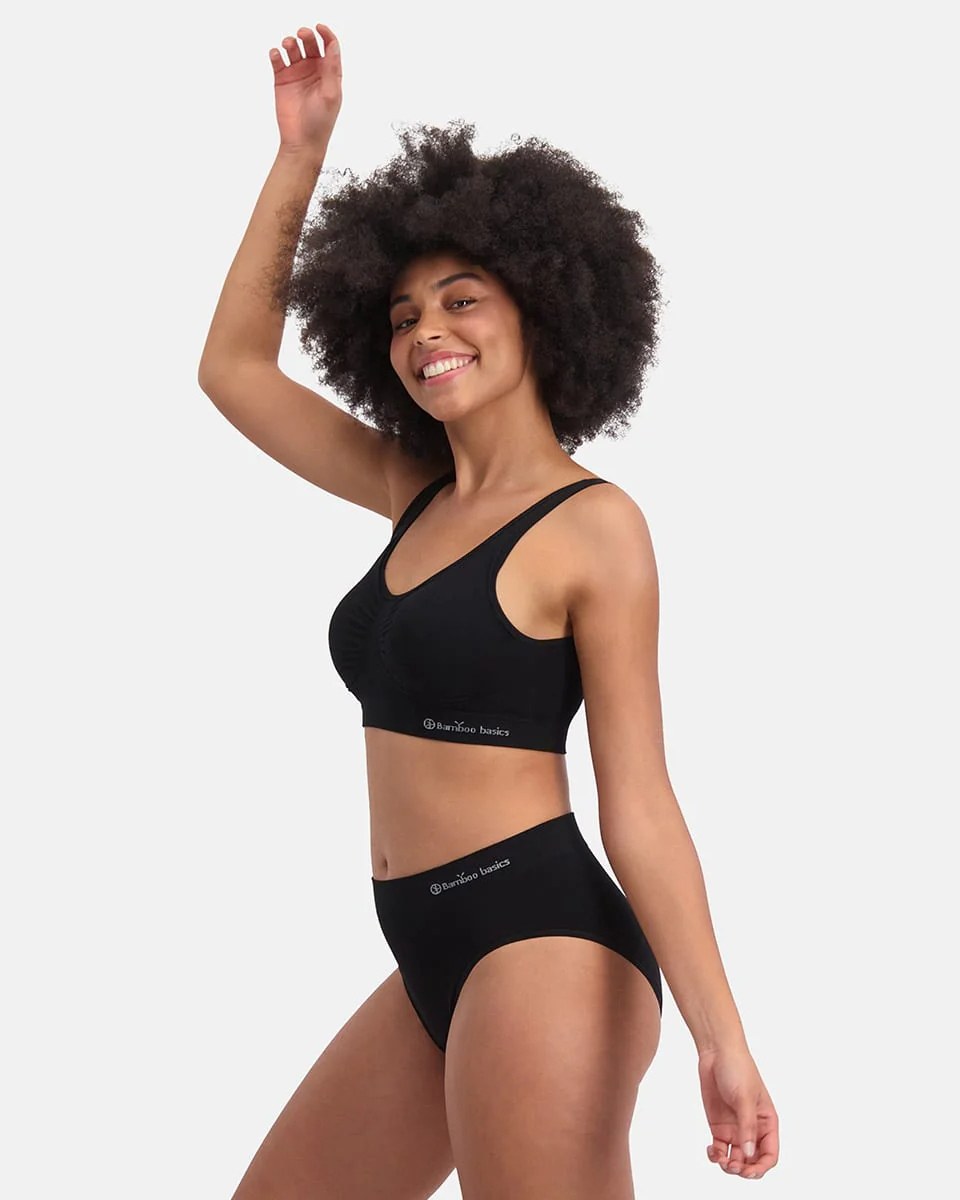
Viscose made from bamboo is a smooth fibre that absorbs moisture well and feels cool against the skin. A thin layer under the tunic takes the first moisture away from the skin, so you are not left with a damp back after a busy hour. Many people choose tops from bamboo training clothes for women, because the cut is made for movement and does not bind across the shoulders when the arms are working in front of the body.
Underwear that lasts a whole shift
Long shifts mean fewer breaks and fewer chances to change. That is why it matters that underwear sits quietly, has flat seams and does not roll up. On days with a period, many also find period underwear practical, so they do not have to leave the room at an awkward moment. Choose an absorbency that suits your own flow and the length of the shift, and try them first on an ordinary day off.
The feet carry most of the load
The feet work hardest during a shift, especially on hard floors. A sock with a little cushioning under the sole and a cuff that does not squeeze the ankle makes a real difference after eight or twelve hours. Bamboo tennis socks for women work well with work shoes and clogs with a heel strap. Feel free to change socks halfway through the shift if your feet become damp. Dry feet get fewer blisters and pressure marks.
Warm rooms and cold corridors
Delivery rooms are often kept warm, while corridors and staff rooms can be cool. Think in layers: a thin layer next to the skin, the uniform on top and a light cardigan or jumper for breaks. That way you can add or remove something without changing everything. A damp layer against the skin feels cold in a chilly corridor, so a layer that moves moisture onwards makes the change more comfortable.
Washing and care after the shift
Healthcare workwear is washed often and hot. The uniform follows the rules of the workplace, but your own underwear and socks can usually be washed at 40 degrees with a mild detergent. Avoid fabric softener, which coats the fibres and reduces absorbency. Let the items air dry where possible, so the elastic lasts longer. If your legs or back ache after your shifts, talk to your doctor.
Frequently asked questions
What is best to wear under the uniform
A thin, smooth layer next to the skin that absorbs moisture and does not pinch. It makes moving between warm and cold rooms easier.
Can period underwear last a whole shift
It depends on absorbency and flow. Try them on a day off first, and keep a spare pair in your locker.
How often should you change socks on a long shift
If your feet become damp, change them halfway through. Dry feet get fewer blisters.
You can find the full range at Bamboo-Clothing.com.