Clothing for outdoor work in freezing weather
Short answer: Three layers solve most of it in freezing weather: a thin base layer that moves moisture, an insulating middle layer and a windproof outer layer. Sweat through the base layer and you freeze fast on your next break, so the base layer matters most.
The base layer should not be thick
A thick base layer holds onto moisture instead of passing it along, and it cools you down the moment you pause from work. A thin layer that moves moisture fast does more good than thickness ever could. See bamboo underwear for men.
The middle layer keeps the air still
It is the still air in the middle layer that insulates, not the fabric itself. A loose, airy middle layer therefore holds heat better than a tight layer of the same thickness does in practice. See bamboo clothing for men.
The outer layer needs to block wind
Wind strips warm air from around the body faster than almost any other weather effect, even at just a few degrees below freezing. A windproof outer layer protects the two layers underneath from losing their insulating effect. See bamboo t-shirt for men.
Change socks partway through the day
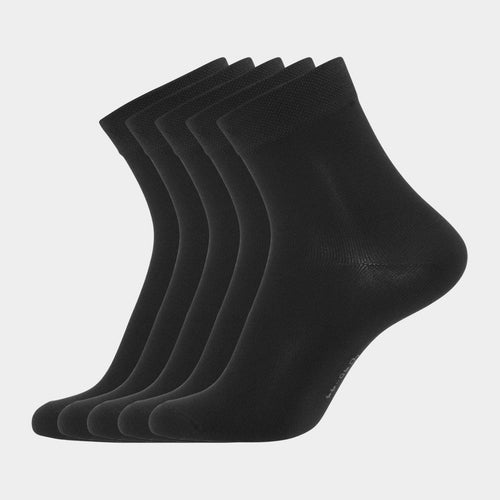
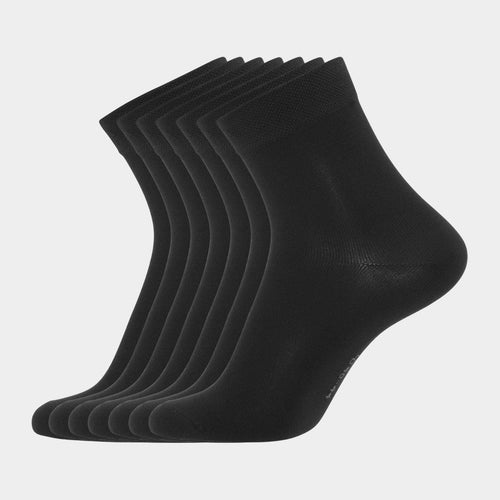
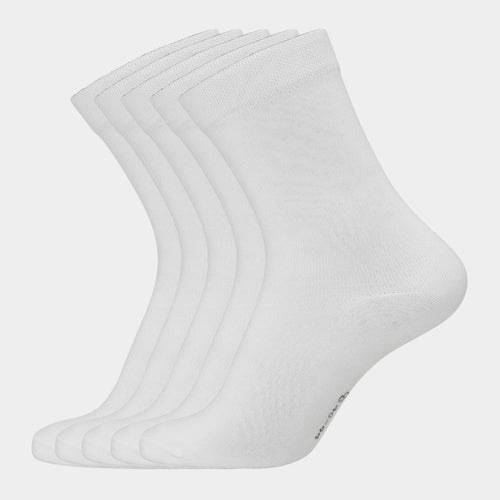
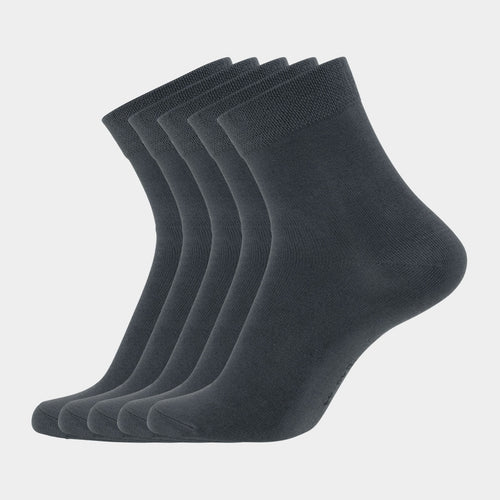
Damp socks in freezing weather are the fastest route to cold feet, no matter how well the rest of your clothing fits. A spare pair in your bag and a change partway through the day make a clear difference. See bamboo socks for men.
Hands and face need their own attention
Extremities lose heat first, because the body prioritises its core as temperature drops. Mittens rather than gloves, and a hat that covers the ears, make a bigger difference than most people expect in sharp frost.
Take breaks somewhere sheltered
A break in the wind feels far colder than the same break somewhere sheltered, even at an identical temperature on the thermometer. Find a spot without a through draught for breaks, so the body does not start over each time.
Moisture from inside matters as much as outside
Sweat from physical work freezes into ice inside clothing quickly if it cannot get away from the skin. Slow your pace to sweat less, or remove a layer before you get too warm during the work.
Freezing weather changes through the day
Morning and evening are often colder than midday, even within the same cold spell. An outer layer you can easily add or remove through the day is more practical than one fixed set worn the whole shift.
Clothes still damp from yesterday chill faster
Clothes that are not fully dry from the day before lose their insulating power almost immediately in freezing weather. Hang every layer up to dry thoroughly each evening, so you start the next day with dry gear.
Frequently asked questions
How should you dress for work in freezing weather?
In three layers: a thin base layer that moves moisture, an insulating middle layer and a windproof outer layer that protects both.
Why do you get cold during a break?
Because moisture in the clothing evaporates once activity stops. Evaporation cools the body fast, especially if the base layer was damp with sweat from the work.
Does changing socks help?
Yes, noticeably. Damp socks in freezing weather are the fastest route to cold feet, no matter how well the rest of your clothing fits.
You can find the full range at Bamboo-Clothing.com.