Clothing for photography out in the landscape
Short answer: Landscape photography means early mornings, late evenings and long waits for the right light. Soft layers that hold warmth, sleeves that stay clear of the camera and clothes that work for both walking and standing still are the key.
Good light comes at cold times
The best light for landscape pictures is around sunrise and sunset, the so-called golden hour. That often means you are outside when the temperature is at its lowest. You may walk some distance to reach the spot and then stand still for a long time at the tripod, waiting for the clouds to move. Dress for standing still rather than walking, and keep an extra layer in your bag for when the chill sets in.
A soft layer next to the body
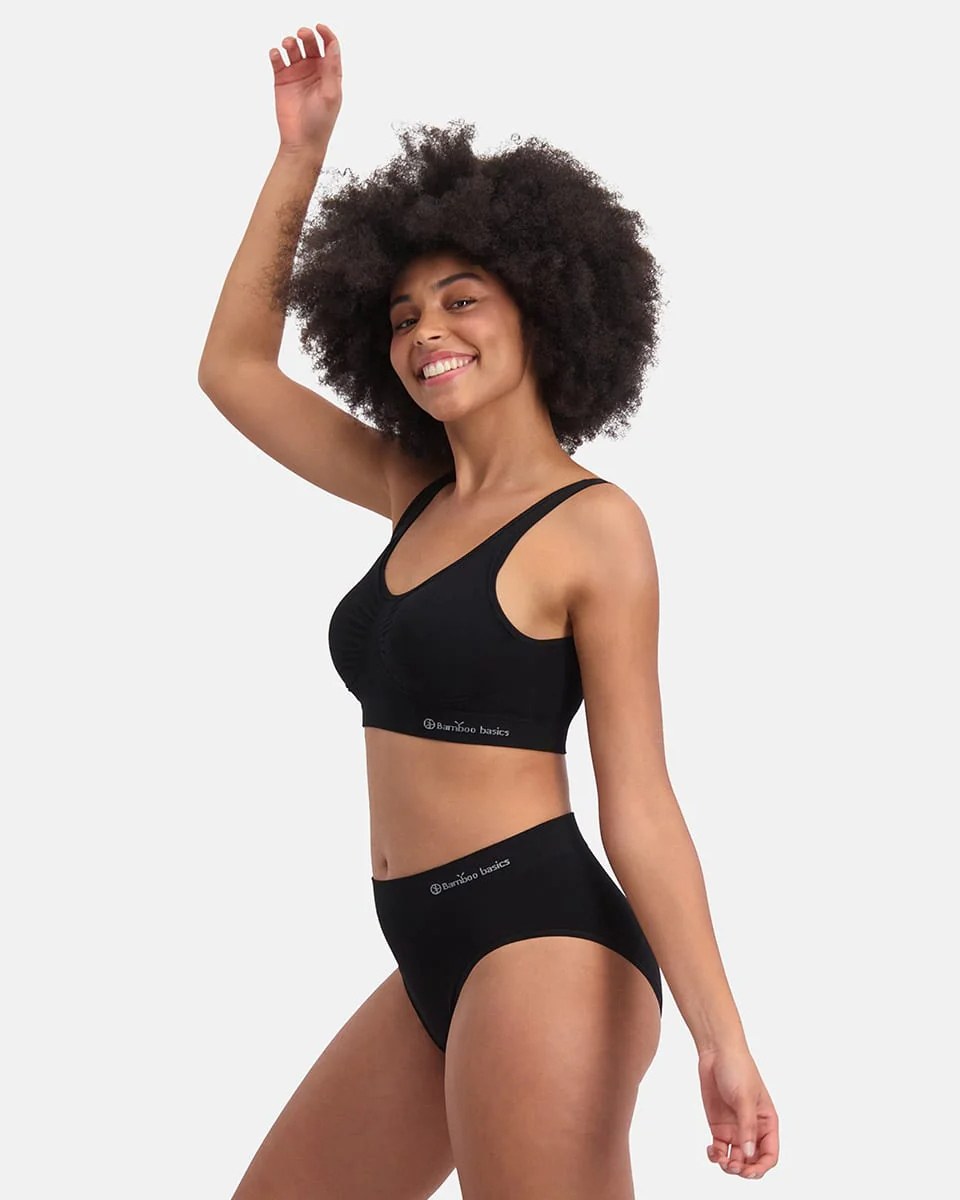
The innermost layer should hold warmth and move moisture away after the walk. An undershirt made of viscose from bamboo sits close, feels smooth against the skin and can be worn under a fleece and a windproof jacket. See bamboo undershirt for women. When you start walking again, you can open your outer layers while the base layer stays on and keeps you dry for the rest of the outing.
Sleeves and wrists
When you operate a camera, your wrists are constantly moving. Wide sleeves can cover buttons and dials, and thick cuffs make it hard to see the screen. A long-sleeved T-shirt with snug sleeves keeps your arms warm without getting in the way. See women's long-sleeved bamboo T-shirt. Thin gloves with touchscreen fingertips, or fingerless gloves, let you use the camera in the cold without fumbling.
Moving on the way to the spot
Many photo locations require a walk, sometimes uphill or along the coast. Soft, stretchy trousers make it easier to walk, climb over rocks and crouch for a low angle. A set of training clothes is practical as a mid layer and for the walk itself. See bamboo training clothes for women. Bring a windproof jacket and waterproof trousers in case the weather turns, as it often does near the coast.
Moisture, dew and rain
Morning dew and fog make beautiful pictures, but they also soak grass and clothing. Gaiters and waterproof boots keep your feet dry. Wrap the camera in a rain cover and carry a cloth for the lens. Keep your own clothes dry with a light rain jacket that packs down small. A dry change of clothes in the car is welcome if you have got wet while waiting for the shot.
Care after the outing
Let clothes and equipment dry before packing them away. Wash base layers made of viscose from bamboo at 30 to 40 degrees inside out and dry them flat. Avoid fabric softener so the fabric keeps its ability to move moisture. Check for ticks after walks in long grass. Then you are ready for the next morning with promising light and a clear forecast.
Frequently asked questions
When is the best light for landscape photography
Around sunrise and sunset, when the light is soft and warm. Those are also the coldest times of day.
How do I keep my hands warm while using a camera
Use thin gloves with touchscreen fingertips or fingerless gloves, and keep warm mittens in your pocket for breaks.
Why are close sleeves an advantage
They do not cover buttons or the screen, and they do not catch on tripod legs or straps.
You can find the full range at Bamboo-Clothing.com.