Clothing for strength training where the bar rests on the body
Short answer: The weight rests directly on shoulders, back and hip. Seams and folds under the bar become pressure points. Flat and close fitting beats loose and folded.
The bar rests on the shoulder
A seam or a fold under the bar is felt with every single lift, especially as the weight increases through the training programme week by week. During squats and other lifts, the whole load rests directly on the shoulders for several seconds at a time. A flat fabric without prominent seams makes the difference between a comfortable and a painful lift. See bamboo t shirt for men.
Loose fabric gets in the way
Very loose clothing catches on the bar and on machines during the movement and can disturb technique at a critical moment. A close fitting cut stays in place throughout the whole lift without needing adjustment between sets. That gives better overview and control during the movement itself. See bamboo clothing for men.
The movement needs room across the shoulders
Overhead exercises require the fabric to follow upward without tightening or pulling at the armpit along the way. A cut that moves with the body through the whole path of the lift makes the movement feel more natural and safer. Limited mobility in the clothing can, at worst, change the technique. See bamboo underwear for men.
Footing starts with the sock
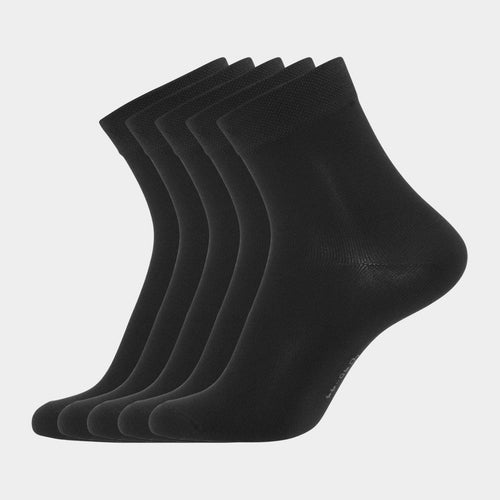
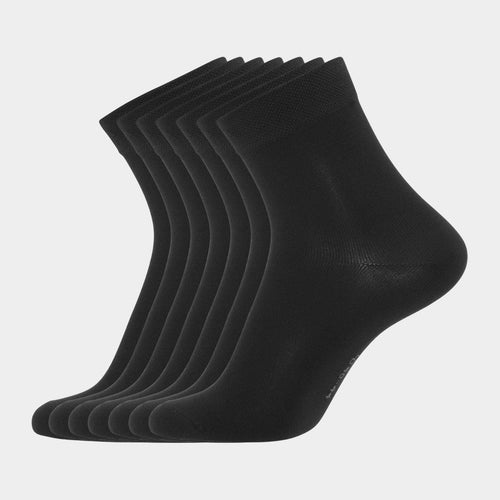
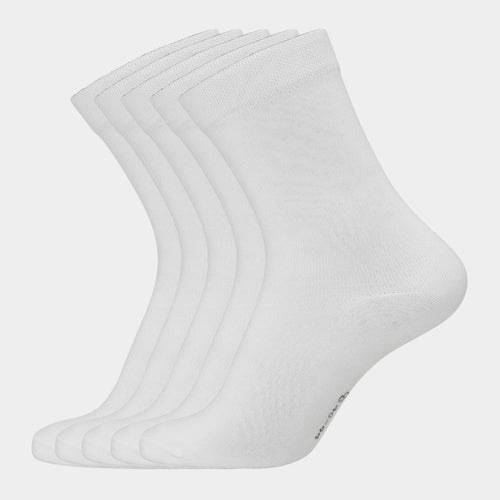
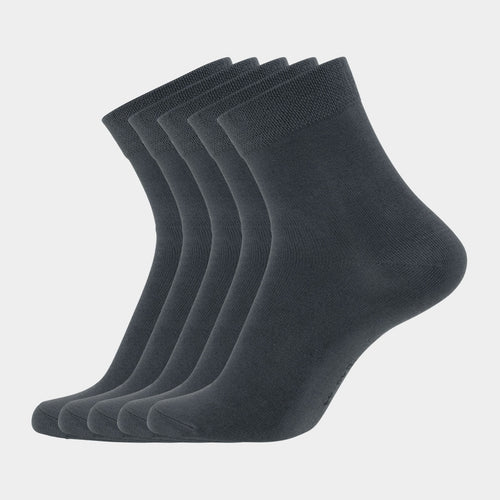
A sock that slips inside the shoe ruins your footing right when you need the most stability during a heavy lift. Good contact between foot and shoe is crucial for transferring force from the floor up through the body. A close fitting sock without folds gives that stability. See bamboo socks for men.
Warming up needs fewer layers
The first sets with lighter weights warm the body up, and the need for extra layers drops quickly after that. Many start in a sweater that gets removed after warming up, once the body holds its own warmth for the rest of the session.
Breaks between sets cool you down
During heavy lifting, long breaks are often taken between each set to restore strength for the next attempt. The body cools down considerably in those minutes, especially in halls with air conditioning or open doors.
Sweating is uneven across the body
Back and chest often sweat more than arms and legs during heavy strength training, depending on which muscle groups work the hardest. A fabric that handles different moisture levels on different parts of the body keeps the whole upper body more comfortable.
Wrist wraps change the fit
Many use wrist wraps or straps for heavy lifts, and the sleeve needs to accommodate them without tightening unnecessarily. A slightly roomier sleeve that still sits close around the upper arm works well alongside this equipment.
After training the body should cool calmly
Right after a hard session the body is warm and sweaty, and cooling down too fast can feel uncomfortable. A fabric that lets heat escape gradually makes the shift from training to everyday life more comfortable.
Frequently asked questions
What should you wear for strength training?
Flat, close fitting fabric without seams where the bar rests on the body, so pressure points are avoided during heavy lifts.
Why is very loose clothing a problem?
Because it catches on the bar and on machines. It is impractical and can, at worst, disturb technique during a lift.
Do socks matter?
Yes. A sock that slips inside the shoe gives poor footing during heavy lifts, where stability is crucial for force.
You can find the full range at Bamboo-Clothing.com.