Clothing for the night shift and the sleep after it
Short answer: Night shift flips the body's rhythm around. Thin layers of bamboo viscose during the shift and a cool sleep environment during the day make the switch easier.
The shift is cold, the day is warm
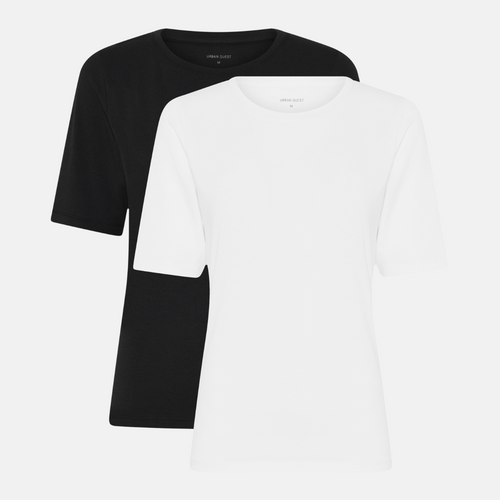
At night buildings are cold, because heating is often turned down, and in the morning you need to sleep while the house is warm from sun and activity outside. Two different wardrobes are the answer, one for the shift and one for daytime sleep afterward. See bamboo clothing for women.
Sleeping during the day without getting clammy
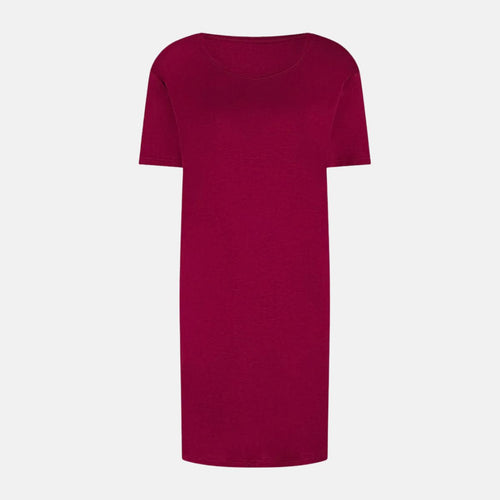
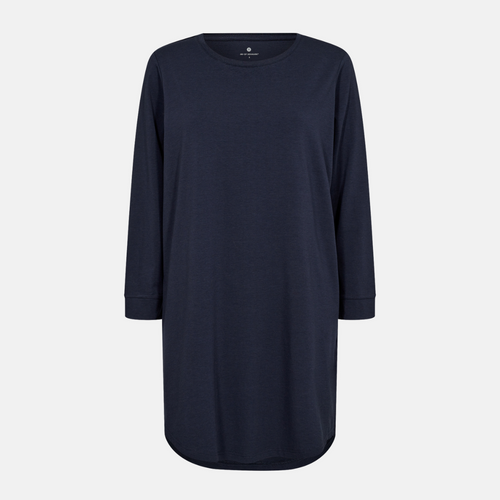
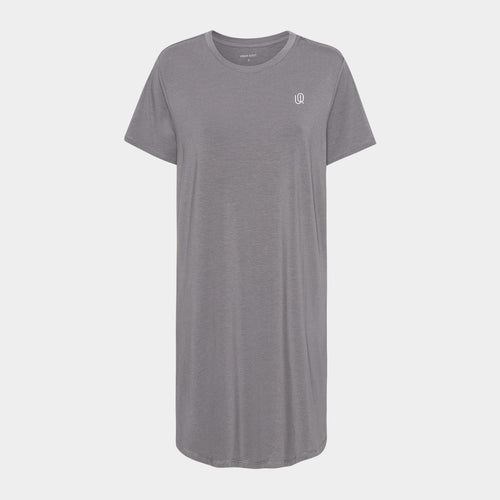
Daytime sleep is easier in thin sleepwear that does not trap heat, since the body already struggles to fully settle in the middle of the day. A light material helps keep the temperature down, so you do not wake up clammy after a short time. See bamboo sleepwear and bamboo sleepwear for women.
Change clothes before you sleep
Switching from work clothes to clean sleepwear signals to the body that the day is over, even when the sun is still high outside the curtains. That small ritual makes the transition clearer than simply lying down in whatever you wore all night.
The fabric during the shift itself
During a long night shift, temperature often swings between quiet, seated tasks and sudden activity that raises your pulse. Thin layers of bamboo viscose let you adjust along the way, without needing to remove or add a whole outer layer every time the level changes.
Light and darkness affect sleep
Even with blackout curtains, some light often gets through, and that can make an already short daytime sleep even more restless. A cool, dark room combined with light sleepwear gives the body the best conditions for falling asleep quickly.
The body adapts slowly
It takes time for the body's internal clock to get used to a reversed rhythm, and the first shifts of a stretch are often the hardest. Fixed habits around changing clothes and the sleep environment make the transition easier, even though the body never fully adjusts to the opposite of daylight.
Washing and hygiene between shifts
With shifting work hours, laundry often gets squeezed in at odd times of day, and it helps when the fabric dries fast. Bamboo viscose is ready to wear again shortly after washing, which fits well with an irregular schedule.
Days off need a different rhythm
On days off after a stretch of night shifts, it is tempting to sleep all day, but that makes the transition back to normal sleep harder. Sticking to fixed bedtimes, even with shorter sleep on a single night, helps the body find its way back to an ordinary rhythm.
What actually helps the most
Of everything you can adjust, temperature and light are the two factors that make the biggest difference to sleep quality after a night shift. Clothing is a small but concrete part of what you can control yourself, without needing expensive equipment or major changes to the home.
Frequently asked questions
Why do I sleep poorly after a night shift?
Light, heat and noise are the three biggest causes. Sleepwear and temperature are what you can control yourself without changing the rest of the home.
What sleepwear works best for daytime sleep?
Thin and loose, ideally in bamboo viscose, so you do not wake up clammy after two hours in the middle of a warm day.
Should I wear different socks on a night shift?
Soft socks without a tight cuff. Feet stay still for a long time, and the cuff can be felt toward the end of a long shift.