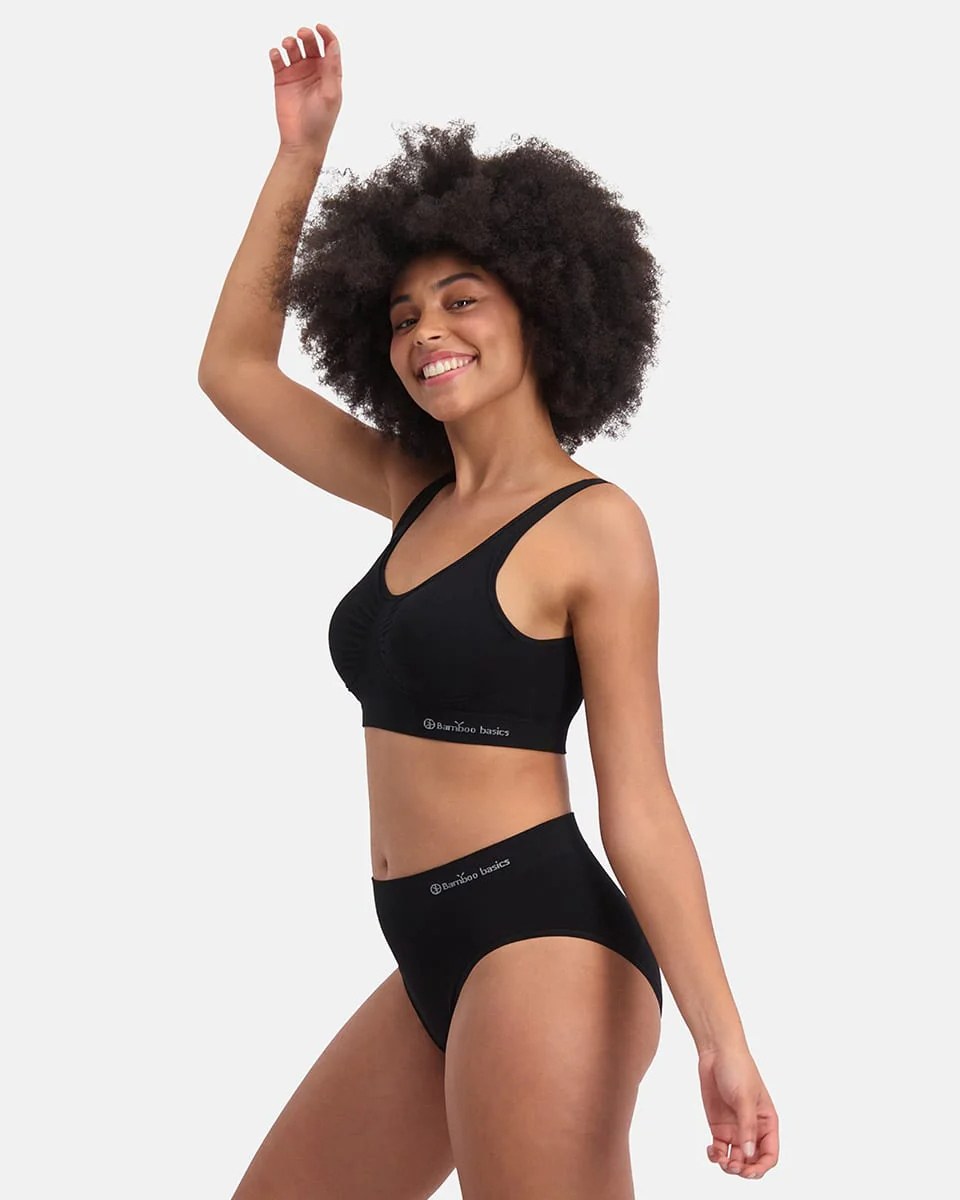
Clothing for woodworking in the workshop
Short answer: In the woodworking shop you stand at the bench, carry boards, kneel and bend. Clothes that allow free movement, have no loose parts that machines could catch and cope with sawdust matter most, and safety always comes first.
Safety before comfort
In a workshop with machines such as a table saw, band saw and lathe, loose clothing is a hazard. Wide sleeves, drawstrings, scarves and loose shirt tails can be caught by rotating parts. Work clothes should therefore fit close to the body, and long hair must be tied back. Jewellery and watches come off. These are the basic rules in any workshop, and they apply to professionals and weekend furniture makers alike, whatever the size of the project.
Close fitting legs
Close fitting leggings under sturdy work trousers or an apron give freedom of movement without loose fabric. They follow the knee when you crouch at a low bench and keep your legs warm in a cold workshop. See bamboo leggings for women. Soft training trousers with a narrow ankle are another option, especially for hand tools and finer work. See bamboo training trousers for women.
Warm days and warm workshops
In summer a workshop can get hot, especially in a garage with a metal roof. Working with a hand plane and saw is physically demanding, and you sweat quickly. Training shorts can be comfortable for lighter tasks such as sanding and assembly when no machines are running. See bamboo training shorts for women. For machine work and handling heavy pieces, long trousers are better because they protect against splinters and scratches.
Sawdust and dust
Wood dust settles everywhere, and fine dust from sanding can irritate the airways. Use extraction whenever possible and wear a dust mask when sanding. Smooth fabrics collect less dust than rough and fluffy ones, and they are easier to brush off. Change your clothes before going into the house so the dust stays in the workshop. If you have questions about dust and breathing, talk to your doctor before carrying on with dusty work.
Footwear and protective gear
Safety shoes with steel toecaps protect against falling boards and tools. Ear defenders are needed around noisy machines, and safety glasses protect against flying splinters. Gloves can be worn when handling rough timber, but never at rotating machines, where they may be caught and pull your hand in. Always follow the instructions for the machines you use, and keep the floor clear of offcuts.
Caring for workshop clothes
Brush sawdust off your clothes outdoors before washing, so it does not end up in the washing machine filter. Wash viscose from bamboo at 30 to 40 degrees inside out and dry it flat or on a rack. Avoid fabric softener. Stains from glue and wood stain must be treated before washing. A dedicated set of workshop clothes makes it easy to get started whenever you have an hour free.
Frequently asked questions
Why must clothing fit closely in a workshop
Because loose clothing can be caught by rotating machines. Close fitting clothes and tied back hair are basic rules.
Can I wear shorts in the workshop
For lighter tasks without machines it can be comfortable, but long trousers give better protection against splinters.
How do I get sawdust out of my clothes
Brush it off outdoors and give the clothes a good shake before they go into the washing machine.
You can find the full range at Bamboo-Clothing.com.