Clothing when skin is extra sensitive during treatment
Short answer: If your skin is extra sensitive during a treatment period, clothing should not rub, press or overheat. Choose smooth materials, flat seams and loose fits, and change them more often than usual.
No pressure, no chafing
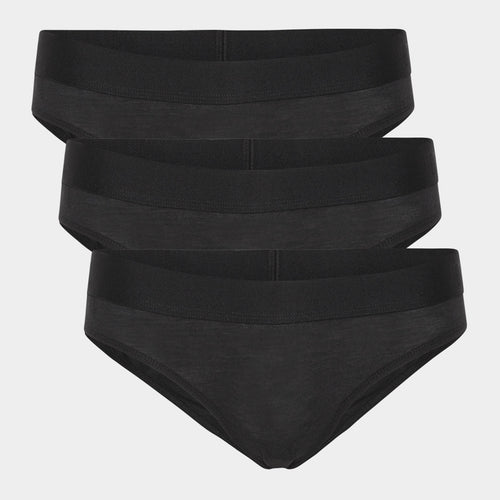
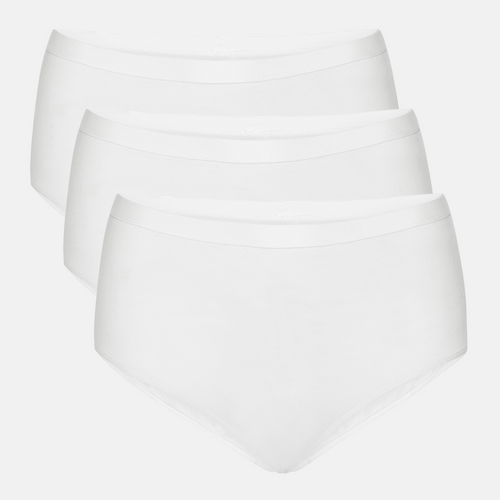
Elastics and seams feel far stronger when skin is sore after treatment. Pressure that once went unnoticed can now feel like constant irritation throughout the day. Choose soft edges, flat seams and styles without tight elastic. See bamboo underwear for women, cut to sit loosely and calmly against the skin.
Soft layers you can change often
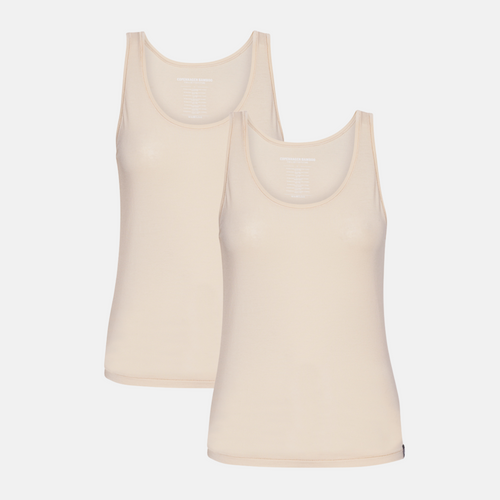
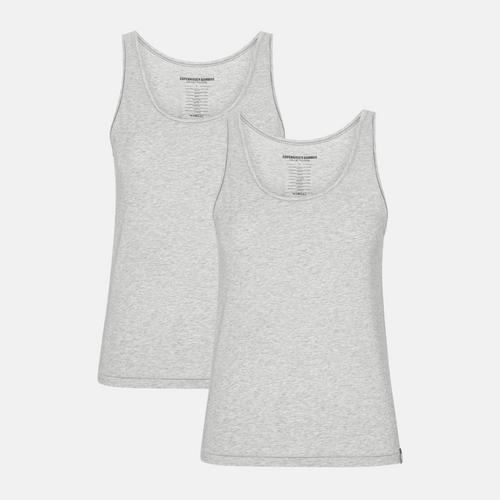
Treatments can bring sudden sweats and shifting temperatures during the day. One thick layer is hard to regulate, while several thin layers can come on and off as needed. A soft base layer against the skin makes it easier to stay dry. See bamboo sleepwear, which works well for both rest and midday changes.
Wash without fragrance or fabric softener
Residue from detergent and fragrance in clothing can irritate skin that is already sensitive. Wash with a mild, fragrance-free soap, use a lower dose than usual, and let the wash run an extra rinse. See bamboo clothing for women, which handles gentle washing without losing its soft surface.
Natural fibres against the skin
Bamboo viscose has a smooth, fine surface compared with rough cotton or synthetic fabrics. For extra sensitive skin, the reduced friction can make a noticeable difference during the day. It is not a treatment, but a practical choice that can make daily life feel calmer.
A loose fit gives relief
Tight clothing presses against the skin all day, and the pressure can worsen discomfort that is already there. Loose fits give room without tightening at the waist, arms or legs. This matters both on ordinary days and on days when the skin is especially reactive after treatment.
Easy to put on and take off
At check ups and treatments, clothing often needs to come on and off several times. Tops without fastenings, elastic waistbands and fewer layers make the whole process less of a hassle. It saves time and unnecessary contact with sensitive skin, which can otherwise become irritated by the dressing itself.
Few good pieces rather than many
During a demanding period, it is easier to rely on a few pieces you know work than a large wardrobe. Choose two or three styles in materials that have proven kind to your skin, and wear them again and again instead of trying something new.
Temperature through the day
Sensitive skin often reacts more strongly to heat than usual. A material that breathes and moves moisture away makes it easier to hold a steady temperature, whether at home, at work or at an appointment. Consider keeping an extra layer ready in case the temperature shifts.
Always follow advice from your care team
These are practical tips about clothing and materials, not medical guidance. If you are unsure what is right for your skin or your treatment, always ask your care team. They know your situation and can give advice suited exactly to you.
Frequently asked questions
What clothing is best when skin is sore after treatment?
Smooth, soft materials in loose fits with flat seams and no tight edges. Change layers as needed and avoid clothing that presses or overheats unnecessarily.
Why should you avoid fabric softener?
Because it leaves a film on the fibres that can irritate skin that is already sensitive. An extra rinse without fabric softener often makes a noticeable difference.
Can clothing replace treatment?
No. Clothing can make daily life more comfortable, but it is not treatment. Always follow the advice you receive from your care team.