Clothing when you react to metal in buttons and zips
Short answer: The reaction comes from the metal, not from the fabric around it. Clothing without metal parts removes the contact entirely, and for a strong or lasting reaction a doctor should assess what the skin is reacting to.
The metal is the source of the reaction
Buttons, zippers and buckles are the spots where skin most often meets metal directly, and that is usually where the reaction starts. The fabric around the metal is rarely the actual problem, even though many first suspect the garment as a whole. See bamboo clothing for women.
Knitted garments rarely contain metal
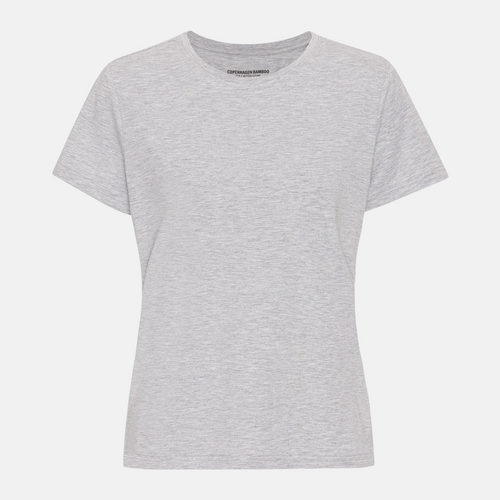
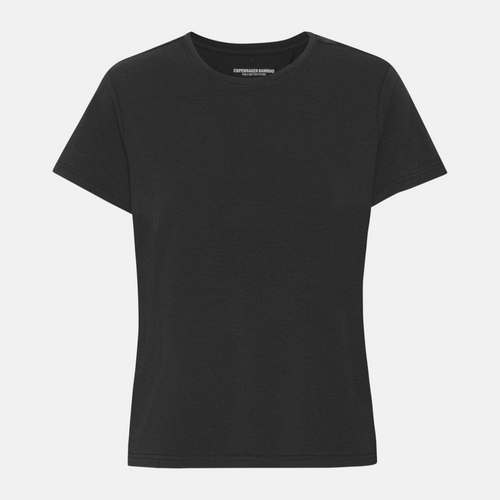
Underwear and t-shirts made from knit fabric often have no metal parts at all, not in seams, closures or details, which makes them a natural choice for sensitive skin. See bamboo t-shirt for women as an example of a garment without those contact points.
A thin layer in between helps
A thin layer of fabric between the skin and a metal button or zipper removes the direct contact, even in clothing where metal cannot be avoided entirely. It does not take much, just enough to create a small distance between skin and surface.
Sweat makes the reaction stronger
Moisture from sweat releases more metal from the surface and can noticeably worsen a mild reaction over the course of a day. Dry clothing and dry skin reduce the amount of metal that reaches the skin, and that can be felt after only a short while.
Underwear is often the most important change
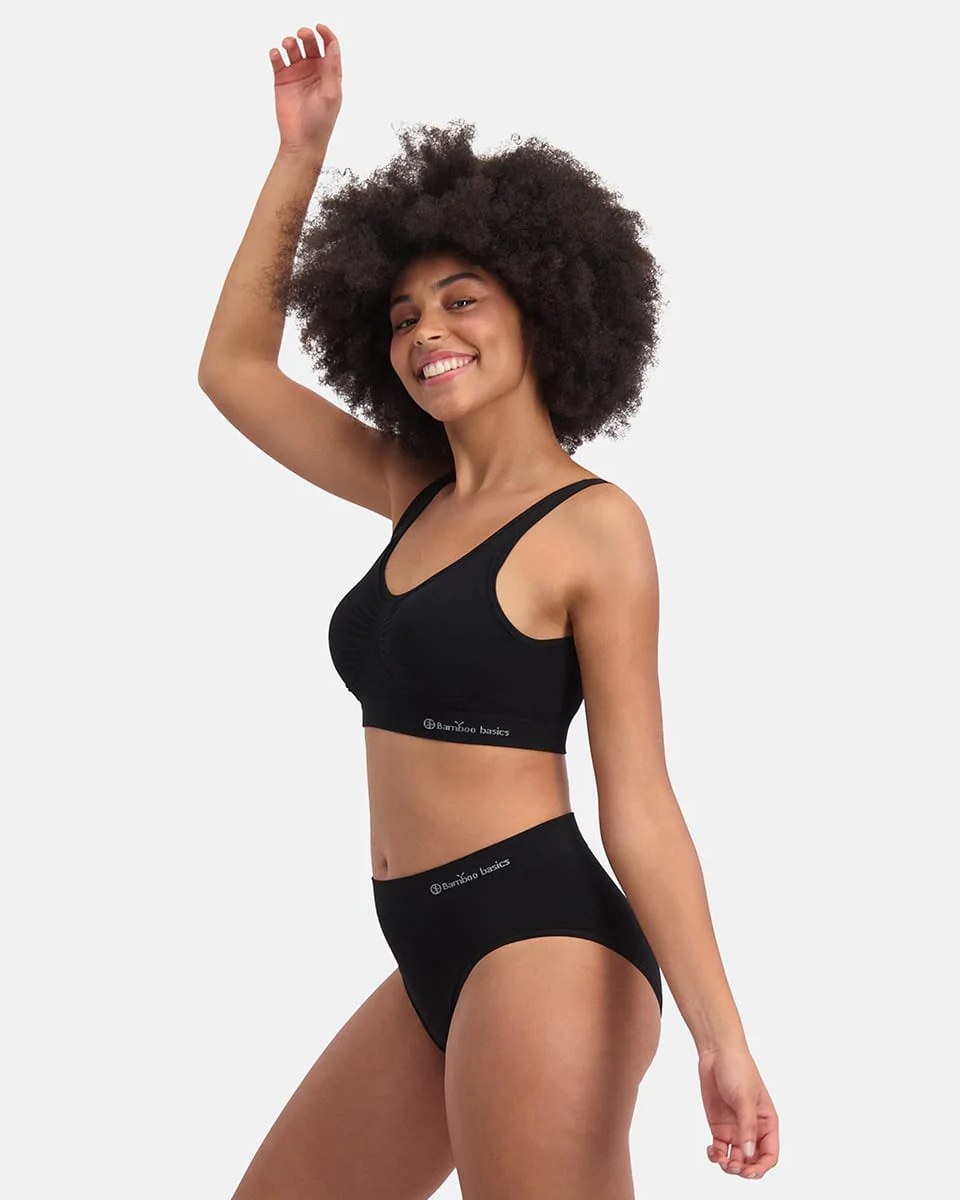
Because underwear sits closest and longest against the skin all day, it is often here that changes make the most noticeable difference first. See bamboo underwear for women for styles without metal parts in the closure itself.
Nickel is the most common trigger
Among the metals that can cause a reaction, nickel is the most frequent cause in buttons, zippers and belt buckles. If you are unsure what triggers your reaction, nickel is a good place to start the investigation.
Look for plastic or wooden closures
Some brands deliberately use plastic or wood instead of metal for buttons and zippers, specifically out of consideration for sensitive skin. It is worth noticing on your next purchase if reactions have been a recurring problem for you.
Wash new clothing before first wear
New clothing can carry residue from production on metal parts, and washing before first wear removes some of it. It is a simple habit that does not take long but can make a noticeable difference for sensitive skin.
Note down when the reaction appears
Write down what you were wearing when your skin reacted, and look for patterns over a few weeks. That makes it easier for both you and a doctor, if needed, to point to the exact source of the problem.
Frequently asked questions
What does the skin react to in clothing with metal?
The skin reacts to the metal itself in buttons, zippers and buckles, not to the fabric around it. Nickel is the most common cause of this kind of reaction for most people.
How do you avoid the contact with metal?
Choose garments without metal parts, or place a thin layer of fabric between the skin and the button. That removes the direct contact without changing the rest of the clothing.
When should you see a doctor?
For a strong or lasting reaction, a doctor should examine the skin. A doctor can clarify exactly what you are reacting to and suggest treatment.
You can find the full range at Bamboo-Clothing.com.