Colour choice in dresses and what is easiest to wear
Short answer: Navy, black and a single earth tone cover the most ground. They can be worn most often without being recognised, and every layer goes with them.
The three worn most
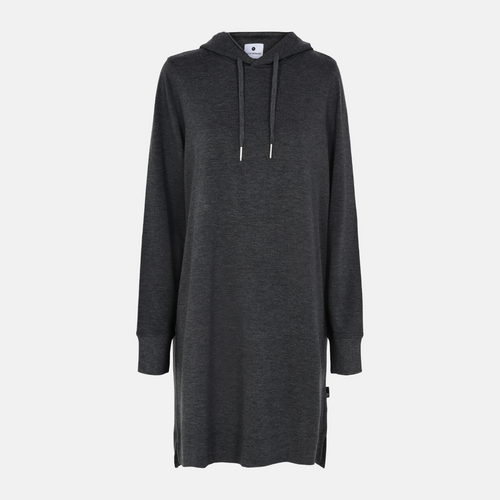
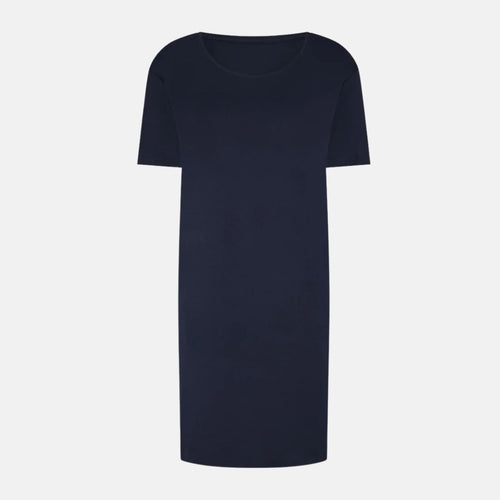
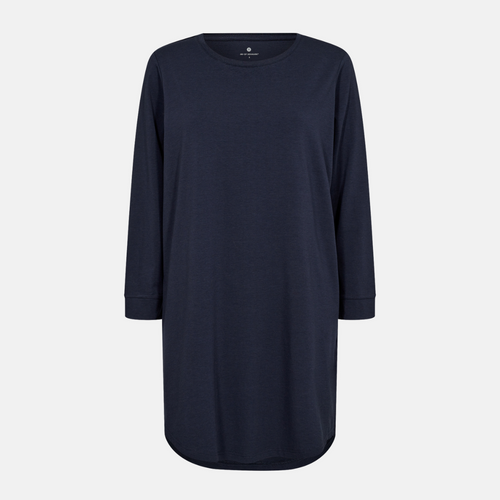
Navy and black can be worn all year and with everything. An earth tone such as sand or olive adds variety without needing new layers, because it goes with the same cardigans as the dark shades. With these three you can dress for work, weekends and dinner without much thought. See bamboo dresses.
Why dark colours last longest
Dark colours hide small stains and signs of wear better than light ones. A black or navy dress looks neat for longer, even after many washes. They are also the easiest to pair with shoes, tights and bags, because almost everything goes with them. That makes them the safest first buy.
Light colours ask for more
A light dress is often see through and shows stains more clearly. It needs a layer underneath and more frequent washing to look fresh. That does not mean avoiding light dresses, but they ask more of the rest of the wardrobe. A slip layer solves most of it. See bamboo slip.
Prints tie you to a season
A print is remembered by others and so gets worn less often. A plain dress can be worn every week without anyone noticing, which is the cheapest way to get more out of a wardrobe. If you want a print, let it be an extra rather than the dress you wear most.
Keep layers in the same family
If cardigans and shirts are in related colours, everything goes with everything. Choose a base colour for the layers, such as navy or grey, and keep the dresses close to it. Then an open shirt over a dress or a jumper over the shoulders works across the whole wardrobe. See women's bamboo shirts.
The earth tone as the third
Sand, olive, rust or a muted brown adds life without clashing with the rest. They are easier to wear than a bright colour and go with both black and navy layers. Choose the earth tone that resembles something already in your wardrobe, and it gets worn rather than left hanging.
Test a colour before buying more
If you are unsure about a colour, buy one dress and wear it for a few weeks. If you keep reaching for it, it is a good base to build on. If it mostly hangs, it does not suit the rest. That is a cheaper lesson than buying three in the same colour at once.
Colour after washing
Dark colours can fade a little over time, especially if washed hot or dried in direct sun. Turn the dress inside out before washing, use a low temperature and dry it in the shade. The colour then lasts longer, and the dark dresses keep matching the layers you have.
When the wardrobe grows
Once you have the three base colours, the next step is not more colours but more cuts in the same ones. A short and a long navy dress give more use than a navy and a red one. Keep the palette small, and everything still goes together as the wardrobe grows.
Frequently asked questions
Which dress colours are most versatile?
Navy and black, plus a single earth tone for variety. They go with the same layers and can be worn all year, both every day and for occasions.
Why do light dresses ask for more?
Because they are more often see through and show stains more clearly than dark ones. They need a layer underneath and more frequent washing to look fresh.
Can you wear a plain dress every week?
Yes. It is not recognised the way a printed one is, and with changing layers and accessories it looks new from one time to the next.