Colours and skin tone in practice
Short answer: Hold two garments up to your face in daylight and see which makes your face look fresher. It is the only test you need. It takes two minutes and tells you which colours to choose from now on.
How to do the test
Stand by a window without direct sun. Hold one garment under your chin first, then the other, and look at your face in the mirror, not at the garment. One usually makes your face look more rested, while the other can make skin look grey or tired. Repeat with two new colours until the pattern is clear.
Choose the right light
Light matters a great deal for the test. Daylight from a window without direct sun shows colours as they are, while lamp light is often yellow or cold and distorts the impression. Pick a time around midday, and remove make-up or strong colours nearby if you can. Keep the same distance to the mirror each time so the comparison is fair.
Look at the face, not the garment
It is easy to get caught up in how lovely a colour looks on the hanger. The test is not about the garment but about your face. Look at your eyes, the skin around your mouth and the shadows under your eyes. If they look fresh and clear, you have found a good colour. If they look tired, keep that colour further from your face.
What the test shows
The test shows whether you look best in cool or warm colours. Cool colours are blue, grey and cold white. Warm colours are beige, olive and rust red. Few people have a perfectly sharp divide, but most can feel a clear tendency. See bamboo tank top for men in the colours that suit you.
Cool and warm colours
Cool and warm colours are not better or worse, they simply work differently against skin. Cool colours often give a clear, clean contrast, while warm colours give a softer, earthier look. Neither group belongs to one type of person, and you can mix them in the same outfit with a little thought.
What you use it for
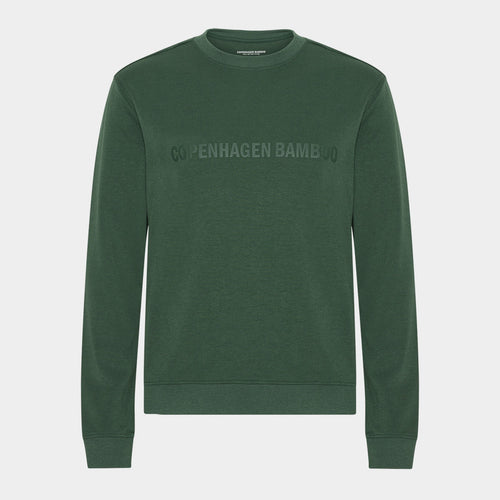
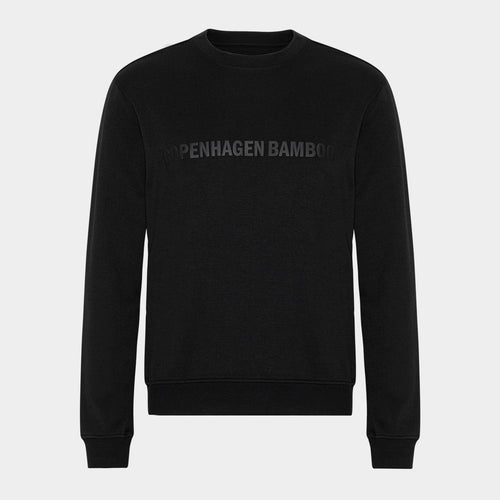
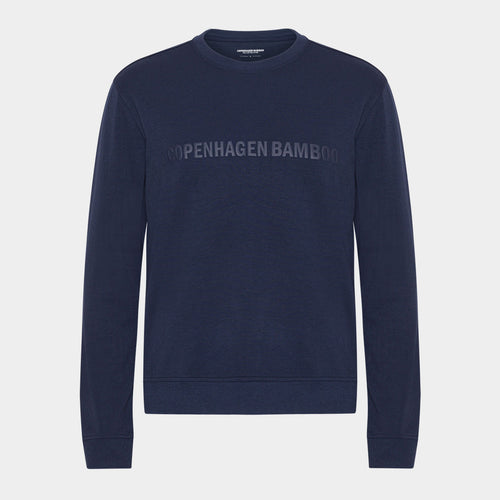
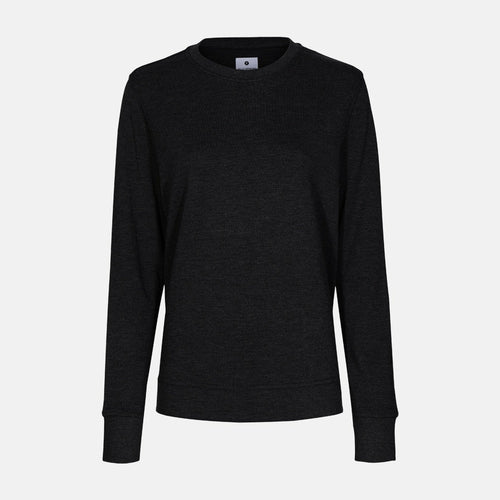
Once you know the result, place the best group closest to your face, in tops, sweatshirts, scarves and shirts. The other group can be worn lower down, in trousers and skirts. See bamboo tops for women and bamboo sweatshirt for women and choose colours based on your own test.
Clothes close to the face
The colour at the neckline does the most, because it sits closest to your face and throws its light back on the skin. When people look at you in conversation, that is the colour they see. So it makes sense to apply the test to pieces with a high or open neckline and to be more relaxed about the rest.
Must you avoid the other group
No, you do not have to avoid the other group entirely. Wear it further from the face, for example in trousers, socks or an open layer. Some colours from the other group also suit you well if they are a little more muted or a little lighter. Try things out and let daylight decide.
When your skin tone changes
Skin tone can change with the season if you tan in summer. Then some colours may look different than they do in winter. Repeat the test now and then, especially if the difference between summer and winter is clear on you. It takes little time and can turn up new favourites.
Frequently asked questions
Must you avoid the other group entirely?
No. Use it further from the face, in trousers, socks or an open layer on top. Some muted or lighter shades from the other group also suit you well.
Can skin tone change?
With the season, yes, if you tan. Repeat the test now and then, especially if you swing between summer and winter, so your choice fits the skin you have now.
Does the test work in lamp light?
Poorly. Lamp light is often yellow or cold and distorts colours. Use daylight from a window without direct sun, and keep the same distance to the mirror each time.
You can find the full range at Bamboo-Clothing.com.