Contact cooling and why fabric feels cool straight away
Short answer: The fibres in bamboo viscose are smooth and round, and they carry heat away from the skin faster than a rough fibre does. That is why the fabric feels cool the moment you put it on, even though the room temperature has not changed at all.
Contact cooling is physics, not magic
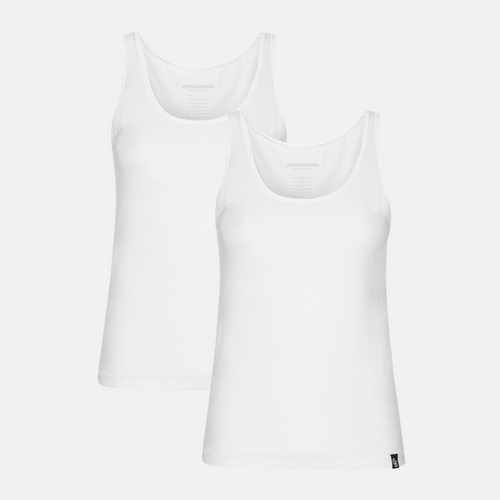
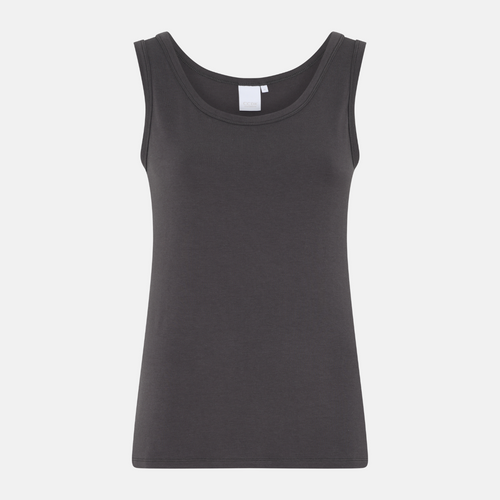
A smooth fabric touches the skin at more points at once and carries heat away from there faster than a rough fabric can. That reads as a cool feeling on the skin, even though the fabric itself is no colder than room temperature. See bamboo t-shirt for women , where this exact smooth fibre surface creates the sensation.
Moisture plays the other half
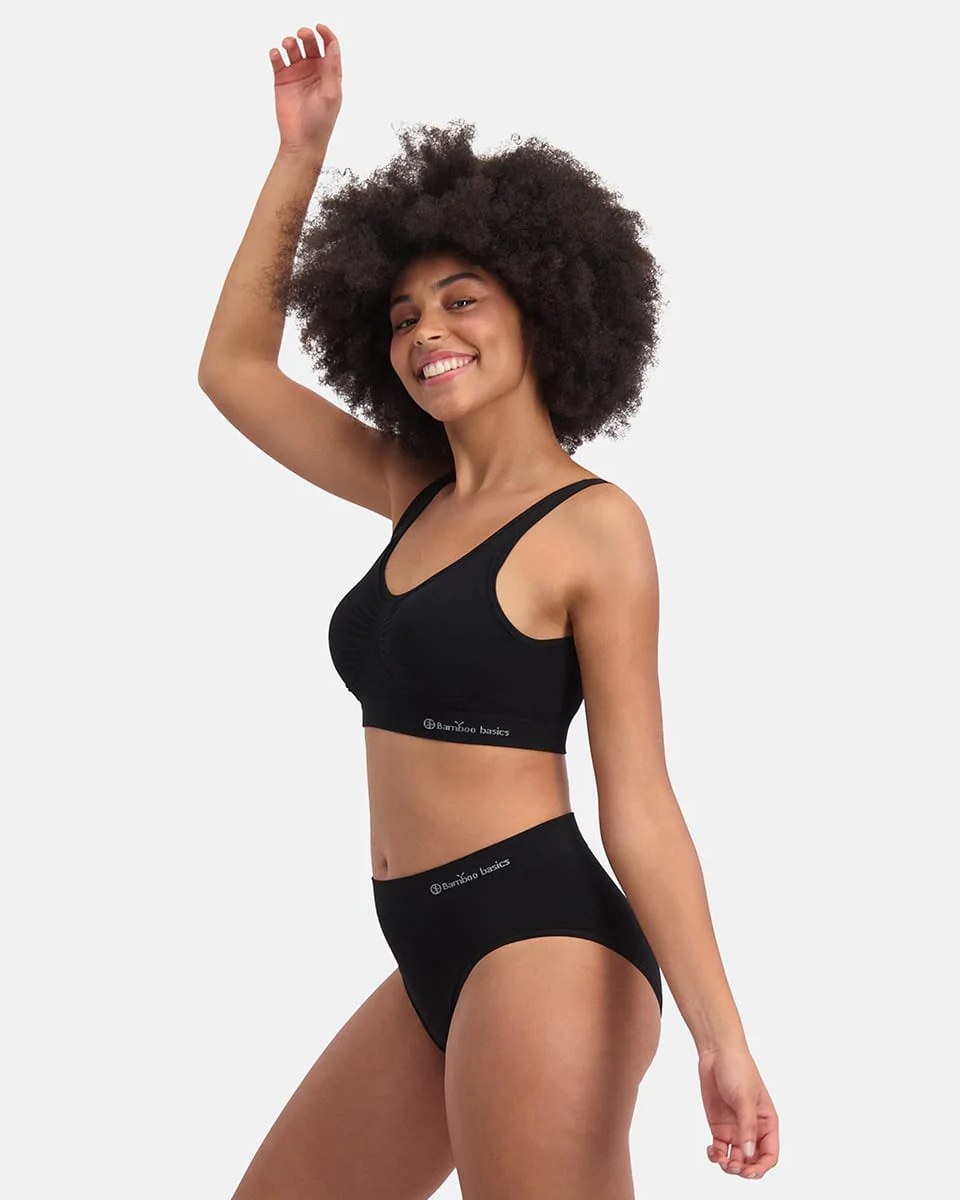
When moisture is moved away from the skin and evaporates from the fabric surface, that cools things down further. That is why the difference is felt most on hot days or during physical activity. See bamboo underwear for women , where moisture transport combined with the smooth fibre creates the full cooling effect.
Thickness matters more than the fibre
A thick bamboo fabric is warmer to wear than a thin cotton fabric, regardless of which fibre is used. The weight of the fabric decides how much heat is retained, while the fibre itself decides how the surface feels against the skin the moment you touch it.
How contact cooling is measured in practice
Textile researchers use a measure that describes how fast heat moves from a warm surface into the fabric in the first seconds. The higher the number, the cooler the fabric feels to the touch. Bamboo viscose generally scores higher on that measure than synthetic fibres of the same thickness.
Why synthetic fibres feel different
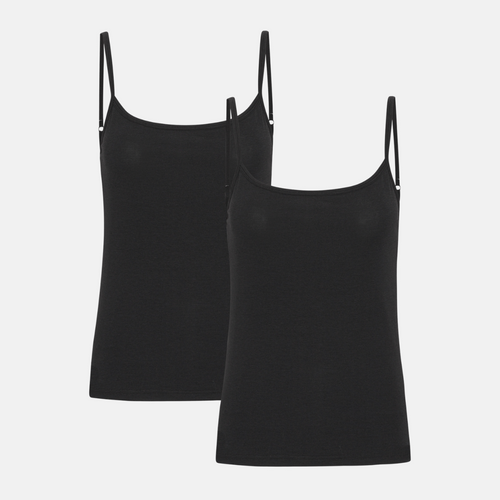
Polyester and other synthetic fibres are often rougher on the surface and carry heat away from the skin more slowly. That gives a more insulating feeling even at the same thickness. See bamboo tops for women , where the difference is clearly felt compared with a synthetic alternative in the same style.
The cooling fades after the first minute
The feeling of coolness is strongest right when you put the garment on, because that is when the temperature gap between skin and fabric is greatest. After a minute or two the fabric has absorbed body heat, and the sensation settles into how the fabric feels for the rest of the day.
Climate decides how much you notice it
In a warm, humid climate contact cooling is felt more clearly, because the skin is already warm and damp. In a cold climate the effect matters less, because the body needs to hold onto heat rather than release it quickly anyway.
How it affects clothing choices
For hot days, exercise and summer wear, the smooth, cooling fibre is a clear advantage. For colder seasons, other properties such as insulation and layering matter more than contact cooling itself. That is why bamboo viscose is used mostly for t-shirts and underwear rather than winter coats.
The feeling summed up briefly
The cool feeling on touch comes from a combination of smooth fibres and good moisture transport, not from any chemical property or a coincidence in the plant itself. It is a physically measurable effect, and you can feel the difference if you compare two fabrics side by side.
Frequently asked questions
Is bamboo viscose cooler than cotton
It feels cooler to the touch and moves moisture away from the skin faster. At the same thickness the difference is noticeable, especially on hot days or during physical activity.
Why do some fabrics feel cold right away
Because a smooth, even fibre surface carries heat away from the skin quickly. Smooth fibres do this better than rough ones, regardless of what material they are made from.
Does thickness matter for warmth
Yes, mostly. A thick fabric holds onto heat regardless of the fibre, while the fibre itself only decides the feeling at that first moment of touch.
You can find the full range at Bamboo-Clothing.com.