Cost per wear is the number that decides if something is expensive
Short answer: A t-shirt at 300 kroner worn 150 times costs two kroner per wear. One at 100 kroner worn 20 times costs five. The cheap one was the more expensive choice.
The math is simple to do yourself
Divide the price by the number of times you will realistically wear the piece. The number says more about the actual purchase than the price tag alone. An expensive item worn often beats a cheap one that only comes out a couple of times a year, every time you run the numbers.
Basics have the lowest cost per wear
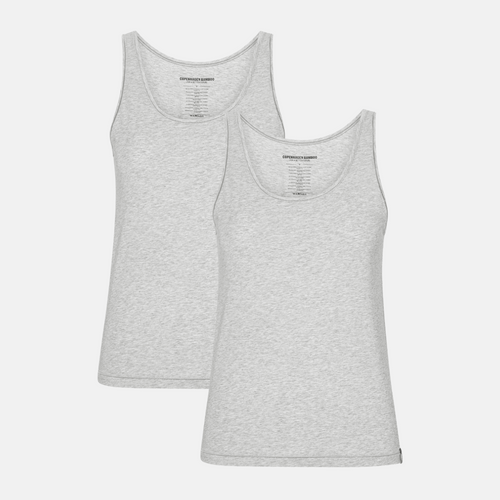
Underwear, socks, and t-shirts get worn hundreds of times a year, often every week or more. That is where quality pays off fastest, because every extra wash and every extra month of durable fabric pushes the cost per wear further down. See bamboo t-shirts for women.
Occasion wear has the highest cost per wear
A piece worn on two occasions a year never reaches a low cost per wear, no matter how good the quality is. That is not a problem in itself, but it is worth knowing when comparing prices across the wardrobe and wondering what is actually expensive.
Washing and care affect the math
A piece that is washed incorrectly wears out faster and pushes the cost per wear up, no matter how well it was made to begin with. Follow the care label, use a lower temperature than you think you need, and air dry the fabric when possible, so the investment lasts longer.
Compare within the same category
It only makes sense to compare cost per wear between pieces worn about equally often. An expensive coat worn daily in winter and an expensive dress worn twice a year belong to different equations, not the same one.
The number of wears is harder to guess than the price
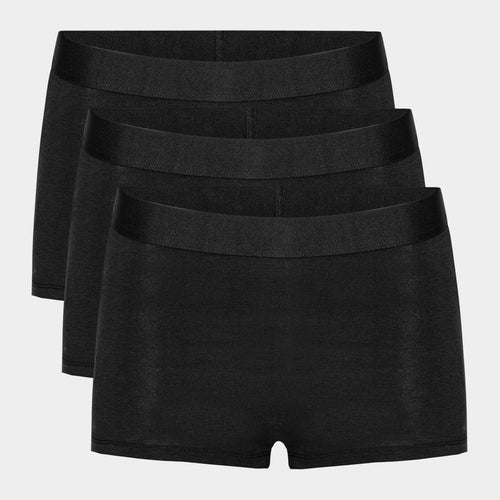
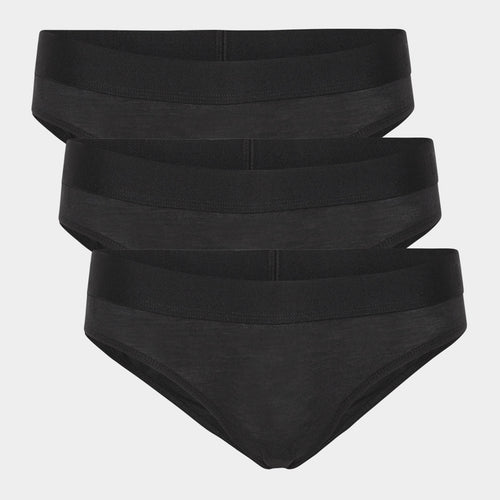
The price is on the tag, but how often you wear a piece requires knowing yourself. Be honest about what actually goes on your body every week, and what stays hanging, when planning your next purchase. See bamboo underwear for women.
Quality only pays off at high frequency
A pricier piece of underwear or a better stitched t-shirt only makes economic sense if it is actually worn often enough to earn back the price through use. Buy quality for what you wear daily, and save on what you rarely put on.
Cost per wear changes over time
A piece that lasts longer than expected gets a falling cost per wear for every month it keeps working. That is why a well kept basic gets cheaper to own the longer you keep it, while a quickly worn out piece never reaches a low number. See bamboo dresses.
Use the number to prioritize the wardrobe
Once you know the cost per wear of your most used pieces, it gets easier to see where a bit more investment pays off. Start with the things you wear several times a week, since that is where quality shifts the overall math the most.
Frequently asked questions
How do you calculate cost per wear?
The price divided by the number of times you actually wear the piece. Under five kroner per wear counts as reasonable for most basics in an ordinary wardrobe.
Is expensive clothing always better than cheap?
No, but better material and stitching often last three times as long at double the price, which gives a lower cost per wear over time.
Where does quality pay off most in a wardrobe?
In what you wear daily, like underwear, socks, and basic t-shirts, rather than occasion wear that only comes out a couple of times a year.
You can find the full range at Bamboo-Clothing.com.