Dressing at thirty degrees
Short answer: Thin, loose and light, and change underwear during the day. At thirty degrees dry clothes matter more than few clothes. A loose layer shades you from the sun and lets sweat evaporate.
Why less clothing does not always help
Bare skin in direct sun absorbs heat faster than skin under a thin, light layer. A loose layer shades you and lets sweat evaporate. That is why people in hot countries often cover up instead of stripping down. At thirty degrees it is about the right clothes, not the fewest.
What works best
A thin, loose garment in bamboo viscose or linen, light in color and with space between fabric and skin, is the best starting point. Air can then move, and sweat gets the chance to evaporate instead of staying put. See bamboo dresses, which are easy to wear in strong heat.
The change in the middle of the day
A dry set of underwear after lunch does more for comfort than almost anything else. Damp fabric against the skin is what feels unpleasant, and you notice it most late in the afternoon. Pack a spare set in your bag if you are out and about all day. It takes almost no space.
Underwear that suits the heat
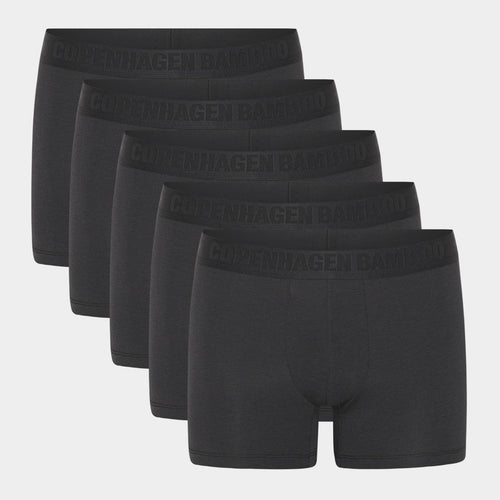
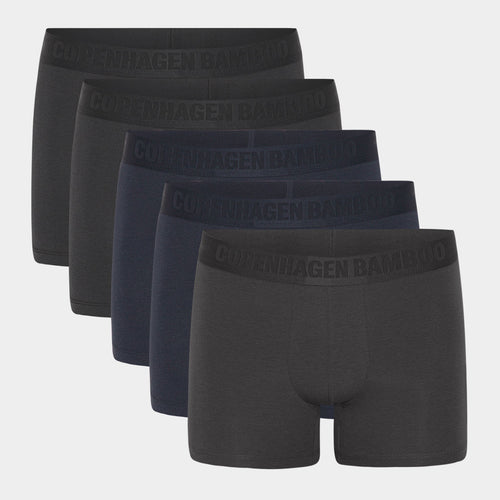
Choose underwear in a thin, soft fabric that does not sit thick against the skin. See bamboo underwear for women and bamboo underwear for men if you want a layer that feels light and moves moisture away. A few extra pairs in the drawer mean a dry set is always ready.
Cotton and bamboo in the heat
Cotton holds on to sweat, while bamboo viscose moves it away faster. That is an important difference when you sweat a lot, because damp cotton gets heavy and clings to the skin. Bamboo viscose feels lighter and dries faster, so you avoid the clammy feeling that easily settles in on a hot day.
Why synthetic fabric makes you sweat more
In synthetic fabric the moisture cannot escape, and the skin keeps trying to cool down by sweating. The result is that you sweat more and feel hotter. Choose natural, breathable fibers as the temperature nears thirty degrees, and avoid dense, slick materials directly against the skin.
Hat and shade
The head absorbs a lot of heat in direct sun, so a hat makes a clear difference. Look for shade around midday, when the sun is highest, and take breaks somewhere cool. Combine that with loose clothes so the body has the best chance of keeping its temperature down.
Shoes and socks
Feet sweat more than most other places on the body, especially in closed shoes. Choose open shoes or shoes in a light material when it is warm. If you wear socks, pick thin ones that move moisture away, and change them when they get damp. Dry feet are far more comfortable on a warm day.
How to dress for thirty degrees
Start with dry, thin underwear, put on a loose, light garment, and bring a hat and a spare set of underwear. Drink plenty and find shade when you can. Change as soon as something gets damp. That makes a hot day much easier, whether you are in town or on holiday.
Frequently asked questions
Is cotton better than bamboo in the heat
No. Cotton holds on to sweat, while bamboo viscose moves it away faster. That gives a drier, more comfortable feeling as the temperature climbs.
Why do you sweat more in synthetic fabric
Because the moisture cannot escape and the skin keeps trying to cool down. Choose natural, breathable fibers if you sweat a lot in warm weather.
Does it help to wear a hat
Yes. The head absorbs a lot of heat in direct sun, so a light hat makes a clear difference, especially around midday when the sun is highest.
You can find the full range at Bamboo-Clothing.com.