First wash alone or with other things
Short answer: Wash new coloured clothes alone or with something in the same colour. It is the first wash that decides whether other clothes get stained. Wash at 30 to 40 degrees, check that the water is clear afterwards, and then wash the garment normally with the rest.
Why the first wash is different
The first wash is special because a new garment almost always holds some loose dye. That is not a fault but part of how fabrics are coloured. It rinses out in the first wash, and if other clothes are in the drum, the colour can settle on them. That is why a separate wash is a good habit.
Excess dye
There is always excess dye in a new garment that is not bound to the fibres. It rinses out in the first wash and can settle on everything else in the drum. Light garments especially pick up colour easily. Once the loose dye has rinsed out, the garment is more stable and can be washed normally with other clothes.
How to do the first wash
Wash the garment alone at 30 to 40 degrees the first time. Use mild detergent and a gentle programme if the label allows it. If there is no colour in the water afterwards, the garment can be washed normally from then on. See also bamboo clothing for women, where many coloured garments benefit from a careful first wash.
Check the water after washing
Look at the rinse water when the programme ends, or take the clothes out and see whether there is colour in the drum. If the water is clearly coloured, the garment has released a lot, and you should wash it alone once more. If the water is clear, you can safely wash it with other clothes from the next time.
A test without washing
You can test the garment before washing it. Dampen a white cloth and rub it against a seam on the inside. If the cloth picks up colour, the garment should be washed alone. If not, the risk is smaller, but a single separate wash is still the safest route. See bamboo T-shirts for men, which often come in dark colours.
How many times should it be washed alone?
Often just once. Dark red and indigo can need two or three washes before they stop releasing colour. Check the colour of the water after each wash. Then you know whether the garment still bleeds or whether it can join the regular laundry. It is a small investment of time.
Do salt or vinegar help?
The myth that salt or vinegar fixes the colour in new clothes does not hold for modern dyes. It does no harm in ordinary amounts, but it does not replace a separate wash. A separate wash works better because it removes the loose dye instead of trying to hold it back.
Does white need washing alone too?
No, white releases no colour, so it can easily be washed with other white or light clothes. It is light and dark that must be separated. Bear in mind, though, that a white garment can pick up colour from other clothes if it is washed unsorted with coloured items.
Wash new clothes with the same colour
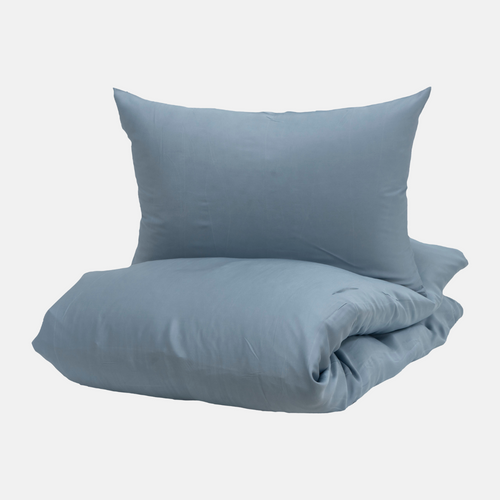
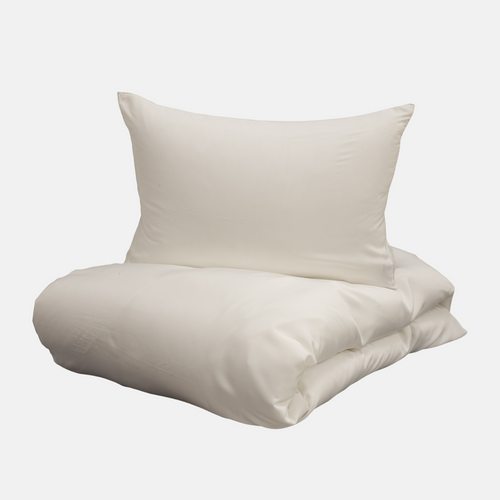
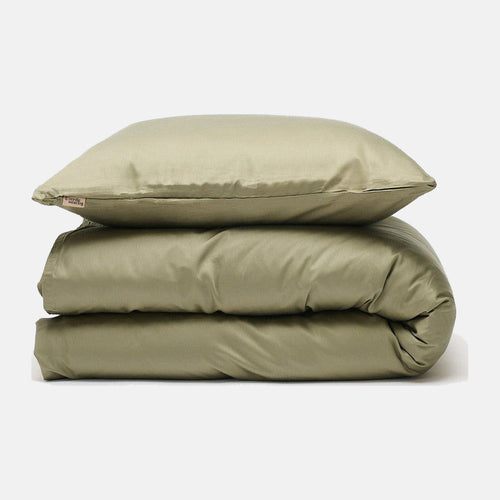
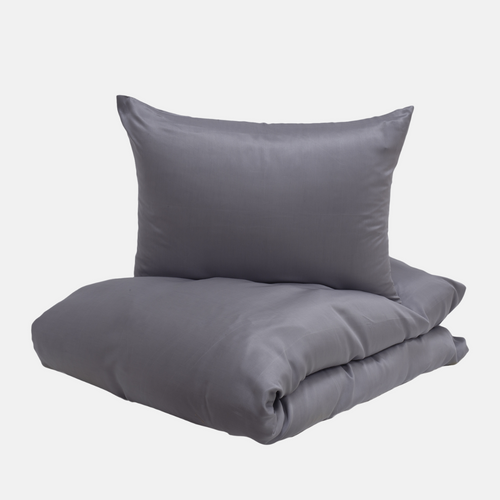
If you would like to fill the machine, you can wash a new garment together with something in the same colour. Then it matters less if a little colour comes loose. Bedding and other things washed in large loads are a good example. See bamboo bedding, which is happy to be washed with items in the same colour group.
Frequently asked questions
How many times should it be washed alone?
Often just once. Dark red and indigo can need two or three washes before they stop releasing colour, so check the colour of the water after each wash.
Do salt or vinegar help?
The myth does not hold for modern dyes, and neither replaces a separate wash. A separate wash works better because it removes the loose dye instead of trying to hold it back.
Does white need washing alone too?
No, white releases no colour. It is light and dark that must be separated, so wash white with other light clothes instead of giving it a whole machine to itself.
You can find the full range at Bamboo-Clothing.com.