Handing on clothes you no longer wear
Short answer: Wash everything before handing it in, sort into usable and worn out, and hand in both at their own separate place. Clean clothes are worth far more than dirty ones.
Wash first
Clothes handed in dirty often end up incinerated rather than reused, because cleaning at a sorting facility costs extra time and resources. A wash costs nothing and decides whether the garment can still be worn by someone. It is the single most important step in the whole process.
Sort into two piles
What can still be worn as clothing, and what is worn out, should be kept apart. The first goes to reuse, the second to recycling as fibres in new materials. Mark the bags clearly so they do not need sorting twice at the collection point. See bamboo clothing for women.
Underwear and socks
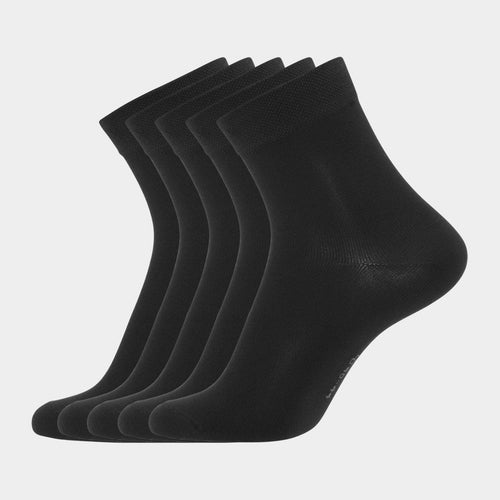
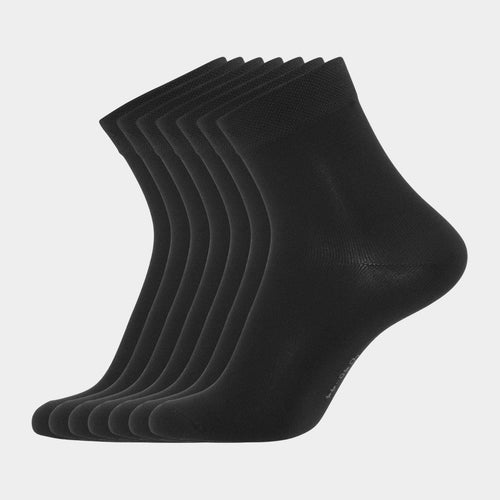
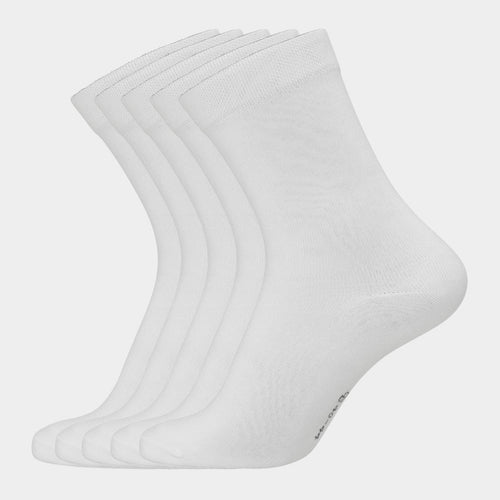
Worn underwear can rarely be worn by anyone else, but it still goes into recycling as fibres. Hand it in at textile collection and not in general waste, no matter how worn out it is. See bamboo underwear for men and bamboo socks for men.
Why clean clothes go further
Clean clothes can pass straight on to a new owner without extra treatment, while dirty ones must be cleaned first or sorted out for recycling instead. That difference often decides whether a garment gets worn again or just becomes raw material. A single wash makes a real difference.
What to do about minor damage
A missing button or a loose seam does not have to stop you from handing a garment in. Many secondhand shops repair small damage themselves before selling, so it is rarely necessary to fix everything yourself first. Large holes or heavy discolouration, though, belong in the worn out pile.
How to pack it properly
Put the clothes in a bag folded or loose, not pressed tightly into a stuffed sack, so they do not crease unnecessarily during transport. Write on the bag whether the contents are usable clothes or textiles for recycling, so sorting starts correctly from the moment it arrives.
How often you should hand things in
It is easier to keep track if you hand items in regularly instead of building up large amounts over a long time. One bag every couple of months is more manageable than a big clear out once a year, both for you and for the place receiving it.
What happens to the clothes afterwards
Usable clothes get resold, often through secondhand shops or export. Worn out clothes become insulation, filling, or new fibres at a recycling facility. Neither goes to waste as long as it is sorted correctly and handed in at the right place from the start.
Get started right away
Find two bags, wash what needs to go, and sort while the clothes are still out. It is the easiest way to move from thinking about it to actually doing it, instead of letting the task sit for weeks because it feels too big to start.
Frequently asked questions
Where can you hand clothes in
The local textile collection and several collection points around town take both kinds. Many secondhand shops also accept items directly if the clothes are still usable.
Should you repair items before handing them in
Not necessarily, but a missing button or a small hole reduces the chance the garment gets resold as usable clothing instead of going to recycling.
What about clothes that are very worn out
They still belong in textile collection and not in general waste. Even heavily worn fabric can become insulation or new fibres at a recycling facility.
You can find the full range at Bamboo-Clothing.com.