How a fabric insulates
Short answer: The fabric does not insulate by itself. It holds air, and it is the still air that slows heat on its way from the skin out into the room. That is why insulation depends more on how the clothing is built than on which fibre it is made from, which is good to know when you choose sleepwear for the cold months.
Air is a poor conductor of heat
Air conducts heat about twenty times worse than water and far worse than fibres. If you keep the air trapped, you slow the heat loss. That is why a blanket feels warm even though the material itself is not warm. It is the air lying still between the fibres that does the work.
The fibres build the space
The job of the threads is to form small closed spaces where the air cannot move. The more small spaces, the better the insulation at the same weight. The fibres are more a kind of scaffolding than the source of warmth itself. See bamboo night pants for women.
Why thickness matters more than material
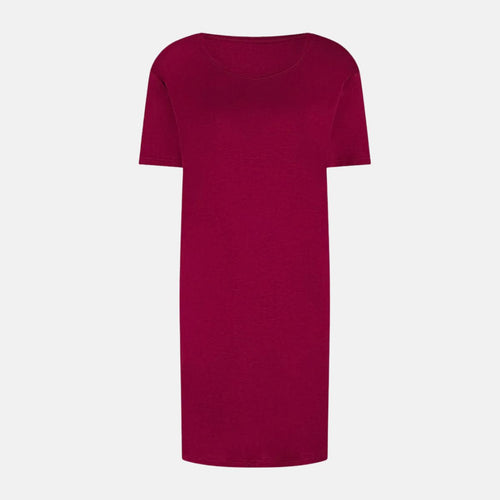
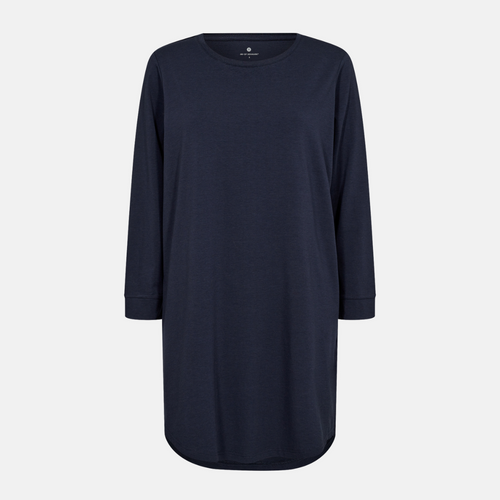
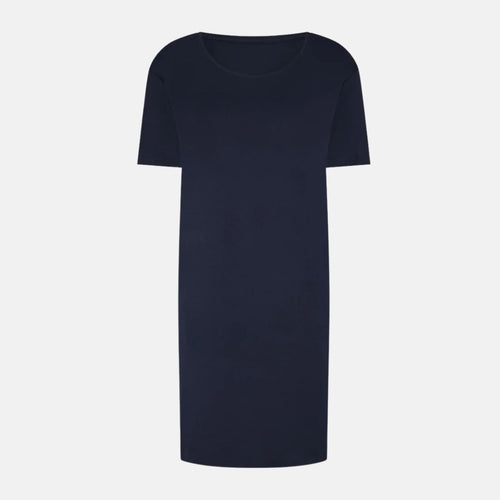
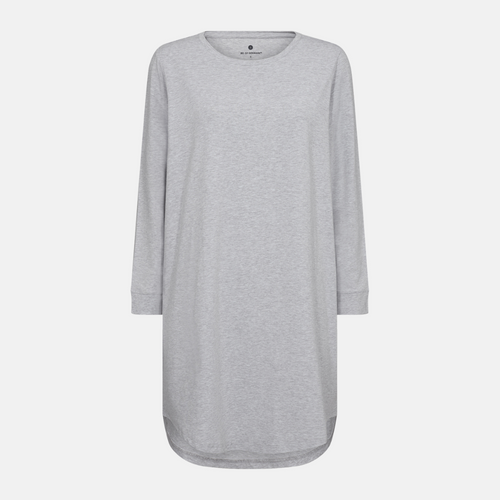
What decides it is how high the fabric builds, not which fibre it is made from. Two fabrics of the same thickness insulate almost equally. That is why it is often more useful to look at how thick and airy a garment is than at what the label says. See women's bamboo pajama shirt and bamboo nightgowns for women.
Does wool insulate better than bamboo viscose
At the same thickness the difference is small. Wool keeps warmth better when it is damp, but in dry indoor air the two are almost equally good. If you tend to freeze at night, it matters more to choose a garment with some loft in the fabric than to chase a particular fibre.
Why a blanket warms more than a sheet
A blanket is thicker and holds more air than a sheet, and that is the whole explanation. The same principle applies to clothing. A thin, tightly woven fabric gives less air space than a softly knitted fabric of the same material, and so it feels colder, even if it looks similar on the surface.
Can a fabric insulate without being thick
Only if it holds air in another way, for example with an air pocket or a knit with small holes that catch the air. Some fabrics are built to give a little cushion of air without being especially heavy. That is the exception, though, and as a rule thickness means warmth.
Air between clothing and skin
Insulation is not only about the fabric, but also about the small layer of air between the garment and the skin. If the clothing fits so tightly that the air layer disappears, you lose part of the insulation. That is why a suitable fit matters at night too, when you should lie relaxed without freezing or sweating.
Moisture plays a part
Damp fabric conducts heat much better than dry fabric, because water fills the small air spaces. If you have sweated at night, the sleepwear feels cold and you freeze more easily. Choose a material that can move moisture away from the skin, so the air spaces stay dry and keep insulating.
How to choose sleepwear for the cold
Look at thickness and how the fabric is built, not only the fibre name. Choose a fit that lies softly without pulling, so there is room for air. Consider several thin layers rather than one thick one, if you want to adjust to the temperature. Then you have the essentials covered when winter nights arrive.
Frequently asked questions
Does wool insulate better than bamboo viscose
At the same thickness the difference is small. Wool keeps warmth better when damp, but in dry indoor air the two are almost equally good, so thickness matters more than the fibre.
Why does a blanket warm more than a sheet
Because it is thicker and holds more air. It is the still air between the fibres that slows the heat, and the more air the fabric holds, the warmer it feels.
Can a fabric insulate without being thick
Only if it holds air in another way, for example with an air pocket or an open knit. As a rule, though, thickness and air mean warmth.
You can find the full range at Bamboo-Clothing.com.