How a fault in the yarn ends up as a fault in the fabric
Short answer: A yarn with a thin spot, a knot or uneven twist gives a visible stripe or a loop in the finished fabric. The knitting machine magnifies the fault, so a small problem in the yarn becomes a clear problem in the fabric.
Thin spots become stripes
When a thin spot runs through the machine, it lands in a row of stitches and shows as a light line across the fabric. In the yarn a thin spot is only a short stretch, but in the fabric it becomes a whole row. That is why the fault is often seen only once the fabric is knitted and held to the light.
Knots tear at the needles
A knot can catch on a needle and pull several stitches out of shape. The result is a loop or a pulled thread that catches the eye. At worst the needle breaks and the machine must stop while the fault is found. See bamboo tennis socks for women.
Uneven twist gives shadows
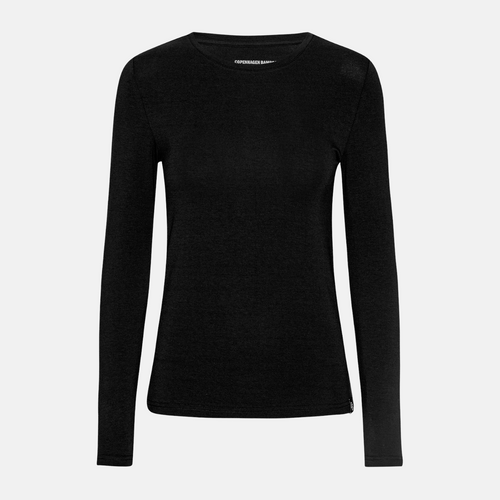
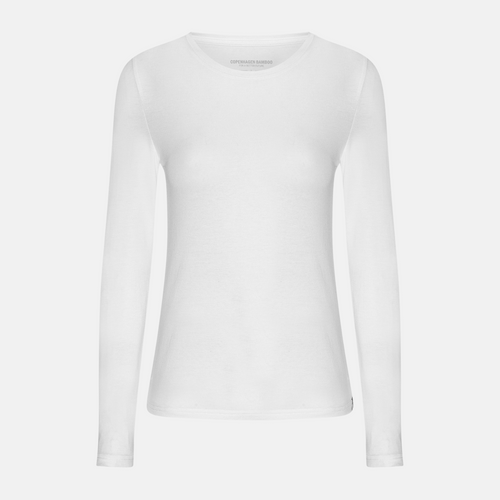
A yarn that is twisted unevenly reflects light differently and forms shaded areas in the fabric. The shadows can look like stripes even though the colour is the same throughout. That makes the fault hard to spot in the yarn but clear in the fabric. See bamboo tops for women and women's long sleeved bamboo t-shirts.
The knitting machine magnifies the fault
A knitting machine repeats the same movement thousands of times, and whatever the yarn does wrong is repeated with it. A yarn slightly too thick in one place gives a denser row, and a too thin spot gives a looser one. The fault settles into the pattern and becomes clear.
How the yarn is checked
Quality control often starts with the yarn. It is checked for thickness, knots and twist before it goes to knitting. After knitting, the fabric is often inspected on a light table, where faults show clearly. Not every fault is caught, but the earlier the check, the easier the fix.
What you can see yourself
Hold the garment to the light and look for stripes, light lines or shaded areas. Feel for knots and loops with your fingers. Also check whether the same pattern runs through the whole garment. One small irregularity is not necessarily a problem, but stripes running right through are typically a yarn fault.
Can a fault be fixed
Small faults like a loop or a single pulled thread can often be stopped. Stripes running through cannot be fixed, because they sit in the material itself. Do not cut off a pulled thread, but gently pull it back to the inside so the stitches do not run. If in doubt, ask the shop.
Price and accepting faults
It depends on the agreement how many small irregularities are accepted. In cheap qualities more is accepted than in expensive ones. That is why two garments of the same kind can look slightly different. If you have a garment with a clear fault you did not expect, contact the shop and explain what you see.
Check the garment when you get it
Hold the garment to the light, look for stripes and loops, and feel the surface when you unpack it. If you find something, it is easier to sort out the sooner you notice it. A calm look at the start saves you questions and doubt later, should anything show up.
Frequently asked questions
Is it caught at the factory
Often yes. The yarn is checked and the fabric is inspected on a light table. But not every fault is caught, and small irregularities can slip through, so it is a good idea to check the garment when it arrives.
Can a fault be fixed in the fabric
Small faults can be stopped, for example a loop or a pulled thread. Stripes running through cannot be fixed, because they sit in the yarn itself and run through the whole fabric.
Is a small stripe a fault
It depends on the agreement. In cheap qualities more is accepted than in expensive ones. If the stripe is clear and runs through, it is usually a fault that you can raise with the shop.
You can find the full range at Bamboo-Clothing.com.