How a garment is packed at the factory
Short answer: A garment is folded to a fixed instruction, gets a label with item number and size, goes into a bag and is packed in a box by size and colour. It sounds simple, but it makes transport and receiving faster and more uniform.
The folding is specified
There is a drawing that shows exactly how the garment is to be folded, so all packages look alike and take up the same space. The folding is not random. It makes the pieces sit neatly in the bag and the box, and lets the boxes be stacked without leaning or getting too tall.
Identical packs save time
When every garment is folded the same way, you can predict how much fits in a box and how it should be packed. That makes the work faster for the people packing and clearer for the people receiving. Uniformity saves time along the whole chain from factory to warehouse.
The label with item number
Each garment gets a label with item number and size, so it can be identified without unfolding it. It is a practical detail that helps the right item end up in the right box. The label is an aid during packing and receiving and has no bearing on how you use the garment.
The bag protects against damp
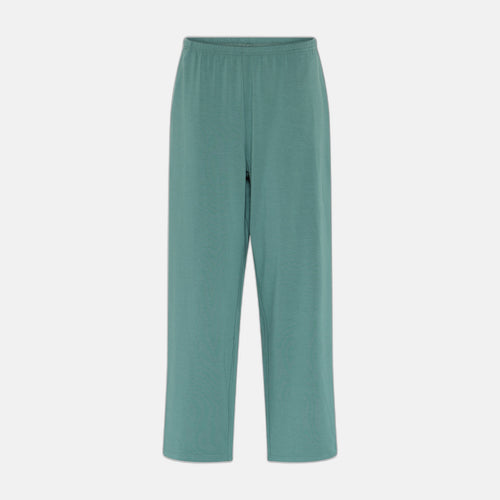
During transport the garment has to withstand moisture, dust and handling. That is why it goes in a bag, which protects against dirt and damp on the way. The bag is a simple insurance that the goods arrive clean and dry. See bamboo pants for women in several models.
The box is packed to a list
Every box has a slip that shows what is inside. Boxes are packed to a list, so sizes and colours stay separate. Whoever opens the box can then quickly see whether the contents match the order, without unpacking everything and folding it all back again afterwards.
Pins and clips hold the fold
Some garments have pins or clips that hold the folding in place. They are part of the packing and must be removed before use. Always check that all pins and clips are gone, both in the folds and at the collar or waistband, so you avoid pricking yourself or damaging the fabric.
Receiving at the warehouse
When the goods arrive at the warehouse, the boxes are checked against the slip and the order. If everything is packed alike and labelled correctly, it goes fast. That is an important reason the factory uses fixed instructions and does not pack by feel or at random from box to box.
What it means for you
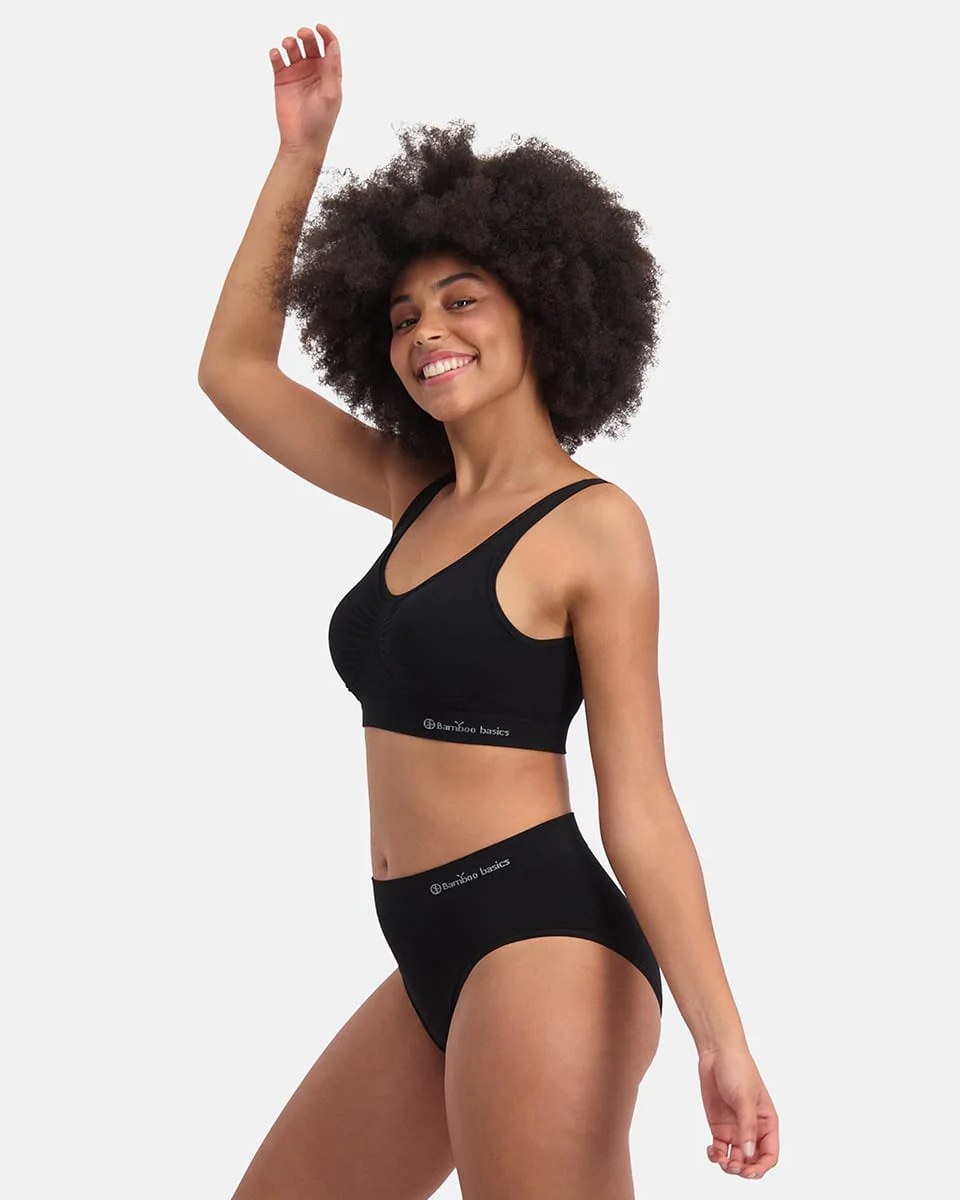
For you as a customer it means the garment arrives in a tight fold, which may have left small marks in the fabric. They usually disappear once the garment has hung for a while and been aired. See bamboo clothing for women and bestsellers for women if you want to see the range.
How to unpack the garment
Unpack the garment and hang it on a hanger or lay it flat so air can reach it. Remove labels, pins and clips, and read the care label. A wash before first use is a good habit, especially for pieces that sit against the skin, and it removes dust from handling.
Frequently asked questions
Why are the garments folded so tightly?
Because it takes up the least space and keeps its shape best on long transport, and because boxes can then be packed uniformly.
What are the pins and clips for?
They hold the folding in place. Always check that they are removed before use, so you do not prick yourself on them.
Is the bag necessary?
For sea transport, yes. Without it, moisture and dirt can ruin a whole shipment, which is why the garments are packed in bags.
You can find the full range at Bamboo-Clothing.com.